Panic When a Dog Eats Mango
May
Why I Never Panic When a Dog Eats Mango

I run a small in-home dog boarding setup outside a busy suburban area, and I spend a lot of time answering food questions from nervous owners. Mango comes up more often than people expect, especially during hot weather when families are cutting fruit in the kitchen every day. I have seen dogs steal slices from countertops, lick smoothie bowls, and even drag whole mangoes into the backyard. Most of the time, the fruit itself is not the real problem.

The Part of Mango That Actually Worries Me

The soft flesh of a ripe mango is generally safe for dogs in small amounts. I have given tiny pieces to older boarding dogs during summer afternoons because the cold fruit can be easier on sensitive stomachs than heavier treats. The trouble starts when owners assume the entire fruit is harmless and leave the pit or peel within reach. That is where I usually see trouble.

A mango pit is large, slippery, and difficult for many dogs to chew properly. One Labrador I watched last spring swallowed half of a pit before anyone noticed, and the dog spent the evening pacing and drooling near the water bowl. He ended up needing an emergency visit because the pit became lodged partway through his digestive tract. The bill was several thousand dollars.

The peel can also upset a dog’s stomach, especially in smaller breeds. Some dogs have difficulty with fibrous fruit skins and may develop diarrhea that lasts a day or two. I have seen this happen after owners tossed leftover mango scraps into the yard, thinking it would be a healthy snack. It rarely turns into a crisis, but it makes for a rough night.

There is also the sugar content. Mango is sweet. Very sweet. Dogs with weight issues or diabetes usually do better with lower-sugar treats, even if the fruit itself is technically safe.

How I Serve Mango to Dogs

I keep it simple when I offer fruit to dogs staying with me. I cut the mango into small cubes, remove every bit of peel, and make sure there are no pits anywhere nearby, because some dogs become obsessed once they smell fruit juice on it. A small dog might get two or three tiny pieces. Bigger dogs can handle more, but I still treat mango like an occasional snack rather than part of a daily diet.

Over the years, I have found that owners who want reliable feeding advice often do better with practical pet resources rather than random social posts, and I have pointed a few regular clients toward American Kennel Club articles for simple food safety checks. The information there tends to stay grounded and easy to follow. Most people just need a quick answer before panic sets in.

Frozen mango can work well too, especially during hot months. I sometimes freeze tiny chunks for dogs that enjoy chewing cold treats after walks. The texture slows them down a little, which helps prevent gulping. Some dogs hate it immediately. Others stare at the freezer after the first taste.

I avoid canned mango products completely. Many contain added sugar or syrup, and a few include artificial sweeteners that create unnecessary risk. Fresh fruit is easier to control, and I know exactly what the dog is eating.

Panic When a Dog Eats Mango

Signs a Dog Ate Too Much

Most healthy dogs recover from eating too much mango with little more than an upset stomach. Loose stool is common. So is mild gas. A few dogs vomit once and then bounce back within hours as if nothing happened.

Things change if the pit is involved. That situation can turn serious quickly, especially in medium- and small-breed dogs. I watch for repeated vomiting, bloating, refusal to eat, or the dog straining without passing stool. One terrier I cared for became unusually quiet after swallowing part of a fruit pit from a trash bag, and that behavioral shift mattered more than anything else at the time.

Some owners wait too long because the dog still seems playful. I understand the temptation. Dogs often hide discomfort surprisingly well during the first several hours after swallowing something dangerous. By the time symptoms become obvious, dehydration or blockage may already be developing.

Call a veterinarian if you suspect the pit was swallowed whole. That matters. I would rather someone make an unnecessary phone call than gamble with an intestinal blockage overnight.

Dogs React Differently to Fruit

I have boarded dogs for nearly eight years now, and food tolerance varies wildly from one animal to another. A sturdy mixed breed might eat half a mango and act completely normal afterward. Meanwhile, a tiny senior dog can develop stomach cramps from just a few bites. Breed, age, activity level, and existing health issues all change the equation.

Some dogs also have mild allergic reactions to tropical fruits. It is uncommon, but I have seen itchy ears and red skin flare up after fruit-heavy treats. Those reactions usually calm down once the food is removed, though I still tell owners to document what the dog ate and how quickly symptoms appeared.

Puppies deserve extra caution because they swallow things without much chewing. I once watched a six-month-old retriever inhale fruit pieces so quickly that I started hand-feeding him one cube at a time during training sessions. Young dogs are chaotic eaters. That never changes overnight.

I also remind people that fruit should stay a side treat, not the centerpiece of a dog’s diet. Some owners go overboard after hearing a food is “natural.” Dogs still need balanced meals, protein, and consistency more than colorful snacks from the refrigerator drawer.

What I Usually Tell Nervous Owners

If a dog ate one or two plain mango slices, I usually tell owners to stay calm and monitor for stomach upset over the next several hours. Water access helps. Keeping meals bland for the rest of the day can help too, especially if the dog already has a sensitive stomach.

The conversation changes if the dog got into the trash or swallowed the pit. That deserves immediate attention because blockages are unpredictable and expensive to treat once symptoms escalate. I have seen perfectly healthy dogs end up in surgery after swallowing objects much smaller than a mango pit.

Most dogs can enjoy mango safely if it is prepared properly and offered in moderation. The fruit itself is rarely the disaster people imagine after a frantic internet search at midnight. Usually, the bigger danger comes from the parts humans throw away without thinking twice.

Why Dogs Eat Grass
May
Why Dogs Eat Grass More Often Than Most Owners Realize

I run a small boarding and daycare setup outside a farming town in eastern Kentucky, and over the years, I have watched hundreds of dogs wander into the yard and start chewing grass as if they were grazing animals. Some dogs nibble a few blades and move on. Others go after thick patches right after breakfast and then act completely normal the rest of the day. After cleaning kennels and walking dogs for more than a decade, I stopped treating grass eating like some mysterious warning sign every single time.

Most Dogs Are Not Doing It Because They Are Sick

A lot of owners panic the first time they see their dog tearing through wet grass at full speed, especially if vomiting follows afterward. I understand why. The scene looks dramatic, and dogs usually move with a kind of urgency that makes people think something serious is happening. Still, most of the dogs I have cared for were perfectly healthy, even though they ate grass several times a week.

One older lab I boarded every summer would walk the fence line every morning and stop at the exact same corner to chew grass for maybe thirty seconds. That dog had regular vet checks, solid energy, and an appetite strong enough to steal towels if you looked away for too long. He simply seemed to enjoy it. I have seen similar habits in shepherds, bulldogs, mixed breeds, and tiny terriers that weighed barely 10 pounds.

Some dogs probably like the texture. Others may enjoy the smell after rain or early morning watering. Fresh grass has moisture, scent, and rough fiber, which can be surprisingly appealing to animals that investigate the world mainly through their mouths.

There is still debate around the exact reason. A few veterinarians I know think boredom plays a role in some cases, especially with high-energy dogs that spend long afternoons alone in fenced yards. That theory lines up with what I have personally seen during boarding weeks. Dogs with packed schedules and regular exercise usually graze less.

There Are Times Grass Eating Can Point to a Problem

I do not tell owners to ignore the behavior completely because context matters. A dog casually nibbling grass during a walk is very different from a dog frantically eating huge mouthfuls and drooling before vomiting. I pay close attention to whether the behavior suddenly changes or is accompanied by diarrhea, pacing, bloating, or loss of appetite over a couple of days.

A customer last spring brought in a young husky that had started eating grass whenever he went outside. The dog also skipped breakfast twice in one week, which immediately stood out because huskies at my kennel usually inhale food in under two minutes. The owner later found out the dog had stomach irritation connected to table scraps from a family cookout.

I usually tell people to think in terms of patterns rather than isolated moments. One odd afternoon means very little. Three or four consecutive days that are strange deserve attention, especially if the dog seems uncomfortable indoors afterward.

Owners who want to compare feeding routines and digestion advice sometimes browse American Kennel Club articles because they break down common canine habits in fairly plain language. I have sent a few first-time owners there after boarding evaluations, when they wanted a starting point before calling their vet. Reading general information does not replace professional care, but it can calm people down enough to observe their dog more carefully.

Chemicals are another concern. That part matters. I worry far more about treated lawns than the grass itself. Weed killers, fertilizer pellets, and bug sprays can create real problems if a dog keeps licking or chewing the area right after application.

Why Dogs Eat Grass

Diet and Routine Often Affect the Habit

One thing I started noticing around year five at the kennel was how feeding schedules influenced strange outdoor behavior. Dogs that skipped meals or ate inconsistently were often the same dogs chewing grass during yard time. It was not universal, though the pattern showed up enough that I began asking owners more questions during intake.

A lean border collie I watched for nearly two weeks kept eating grass every afternoon around four o’clock. After talking with the owner, I learned the dog usually ate breakfast at dawn because the owner worked early shifts. By late afternoon, the dog was simply hungry again. We split dinner into two smaller meals, and the grass chewing dropped almost immediately.

Fiber may play a role, too. Some commercial foods are high in calories but low in ingredients that support smooth digestion. I have had decent results adding plain canned pumpkin or green beans to certain dogs’ diets, though I never treat it like a cure-all. Every dog reacts differently.

Stress changes behavior fast. Boarding dogs prove that point constantly. A nervous dog in a new environment may lick the floor, chew blankets, or eat grass during the first 24 hours because they are overstimulated and unsure of their surroundings.

Routine helps more than people think. Dogs notice timing. They notice the same walking route, the same feeding bowl, and even the same truck pulling into the driveway every evening.

What I Actually Watch For During Boarding

After years of supervising group play and overnight stays, I have developed a short mental checklist whenever I see repeated grass eating. I look at stool quality first because digestive trouble usually shows up there before anything else. Then I watch water intake, energy levels, and how excited the dog seems during meals.

If a dog still wants to play fetch, wrestle with the other dogs, and inhale dinner in under sixty seconds, I worry less. Low energy changes the picture. Quiet behavior from an active dog catches my attention much faster than grass chewing alone.

I also watch how the dog eats the grass. Slow nibbling is common. Frenzied gulping is different. Dogs that swallow long strands too quickly sometimes end up gagging later because the blades irritate the throat on the way back up.

One shepherd mix at my place learned how to pull clumps straight from the roots after rainstorms softened the ground. That dog vomited twice in one weekend because the mouthfuls were enormous. We solved the issue by shortening outdoor sessions after storms and giving him puzzle toys indoors to burn off nervous energy.

Owners sometimes assume dogs instinctively know which plants are safe. I would not count on that. I have pulled mushrooms, mulch, cigarette butts, and small pieces of plastic from dogs that looked extremely confident while eating them.

Most grass eating falls into the harmless category, from what I have personally witnessed over the years. Dogs are odd creatures with habits that do not always make perfect sense to humans. A calm owner who watches for patterns usually gets a much clearer picture than someone who panics after a single patch of chewed grass in the backyard.

Stopping Cat Biting
May
Stopping Cat Biting Without Breaking Trust

I work as a cat behavior consultant, offering in-home sessions for rescue cats and stressed household pets, often in busy neighborhoods where cats have little quiet space. Most of my work comes down to one pattern I see again and again: biting is rarely random; it is communication that has been misunderstood for too long. When people call me, they usually say the same thing: that their cat is affectionate one moment and suddenly biting the next. I’ve seen this in hundreds of homes, and the fix almost always starts with learning what the bite is actually trying to say.

Why cats bite in the first place

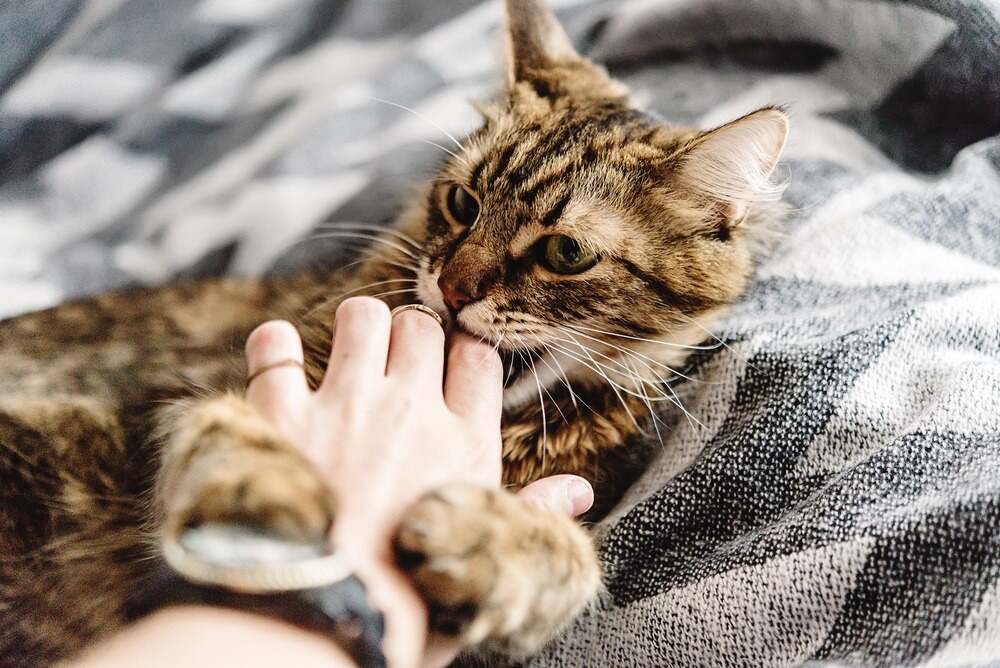
Most biting cases I deal with are not aggression in the human sense. They are reactions to overstimulation, fear, or a boundary being crossed that the cat never learned how to express differently. A young cat I worked with in a small apartment would bite every time petting went past a certain point, and the owner thought it was mood swings. It was actually predictable sensitivity to touch on the lower back, something I confirmed after a few short observations during a house visit.

One thing I often explain is that cats rarely escalate without warning, even if the warning is subtle. The problem is that people miss the early signs like tail flicking, ear rotation, or that slight freezing of the body that happens right before a bite. I remember a customer last spring who insisted their cat “turned aggressive out of nowhere,” but within minutes of watching, I saw clear signals that had been ignored for months. The cat was not unpredictable. The communication just wasn’t being read.

Sometimes biting also comes from play that wasn’t properly guided when the cat was younger. Hands become toys in the cat’s mind, and that habit is hard to undo later. I have seen this especially in kittens adopted without littermates, where biting becomes the default way to engage. Fixing it takes consistency, not punishment, because punishment usually increases fear and makes the behavior worse.

Changing the environment that encourages biting

When I visit homes to assess biting behavior, I always start by looking at the environment before I look at the cat. A cramped space with no vertical climbing options, inconsistent feeding routines, or constant loud interruptions can keep a cat on edge all day. That tension often comes out as sudden nips during interaction, especially in the evening when the household becomes more active. In one case, a family had a cat that only bit during dinner time, and the pattern made sense once I saw how chaotic the kitchen area was.

In several cases, I recommend structured behavioral support tools, and I sometimes point owners toward cat behavior resources as a useful reference. I have seen people make real progress simply by following consistent handling and interaction guidelines rather than guessing from random advice online. The key is not the tool itself, but the discipline of applying one clear approach long enough for the cat to adjust. Most owners underestimate how long it takes cats to unlearn defensive reactions.

I usually tell people that the home should feel predictable for the cat before we even try to change behavior directly. That means stable feeding times, calm interaction zones, and giving the cat spaces where no one touches them. A client I worked with had success simply by moving all petting sessions to a single chair instead of allowing random contact across the entire house. That one change reduced biting incidents within two weeks, without any direct training sessions.

It also helps to separate play zones from rest zones. Cats that live in mixed-use spaces where they are constantly approached tend to stay alert even when they are tired. That alertness builds frustration over time, which often gets released as biting. I’ve seen this pattern repeat in homes with both single cats and multi-cat households.

Stopping Cat Biting

Teaching boundaries without punishment

One of the hardest shifts for owners is learning not to react to biting with force or shouting. I understand the instinct, because getting bitten hurts and surprises people, but punishment usually breaks trust faster than it changes behavior. A cat that associates hands with fear will either avoid contact entirely or escalate faster next time. Neither outcome helps.

I usually start training by encouraging owners to stop interacting as soon as the first warning sign appears. That could be a tail twitch or a slight shift in posture. Over time, the cat learns that calm behavior keeps attention going, while rough behavior ends it. I’ve used this approach in homes with older rescue cats that had years of bad habits, and even then, improvement was steady, not instant but real.

Short sessions work better than long ones. I often say this to clients simply. Stop early. That sentence alone changes how people interact with their cats. Another habit I reinforce is using toys instead of hands during play, especially wand toys that create distance. This keeps excitement away from the skin and reduces accidental bites during high-energy moments.

Consistency matters more than intensity. A cat does not need a dramatic correction; it needs repeated, predictable outcomes. I have seen households improve simply by agreeing on one shared rule for everyone in the home, which prevents confusing mixed signals. Cats respond strongly to consistency, even if the training itself feels minimal.

Reading the warning signs before the bite happens

Most bites can be avoided if you catch the build-up early enough. I spend a lot of time teaching people how to read micro-signals because cats rarely jump straight to biting. There is usually a progression that includes stiffening, changes in tail movement, and reduced tolerance to touch. Once you learn that sequence, you can step back before the bite ever happens.

One short rule I often repeat during sessions is simple. Watch the tail. It is not perfect advice in every case, but it works more often than not. A slow swish can mean mild irritation, while faster movement usually signals rising discomfort. I’ve had clients reduce biting incidents significantly just by learning to stop petting at the first clear tail change.

Another thing I point out is that some cats bite after overstimulation, even when they are enjoying the interaction. This confuses people because they assume enjoyment should last longer. The reality is that sensory overload builds quietly. A cat may lean into petting for a minute, then suddenly flip from relaxed to reactive. That shift is fast but not random.

I often say this during consultations. Cats speak early. That sentence reminds owners that behavior starts before the bite itself. When people start noticing those earlier cues, the relationship changes quickly. The goal is not to avoid contact, but to learn the cat’s limits so trust does not get pushed past breaking points.

Over time, most of the cats I work with naturally reduce biting once their environment becomes calmer and their signals are understood. The transformation is not about control, but about timing and awareness. When both sides start recognizing the same language, the tension drops, and the biting usually fades into rare, manageable moments rather than daily frustration.

Lilac Tortoiseshell Cats
May
Working With Lilac Tortoiseshell Cats in Everyday Grooming Practice

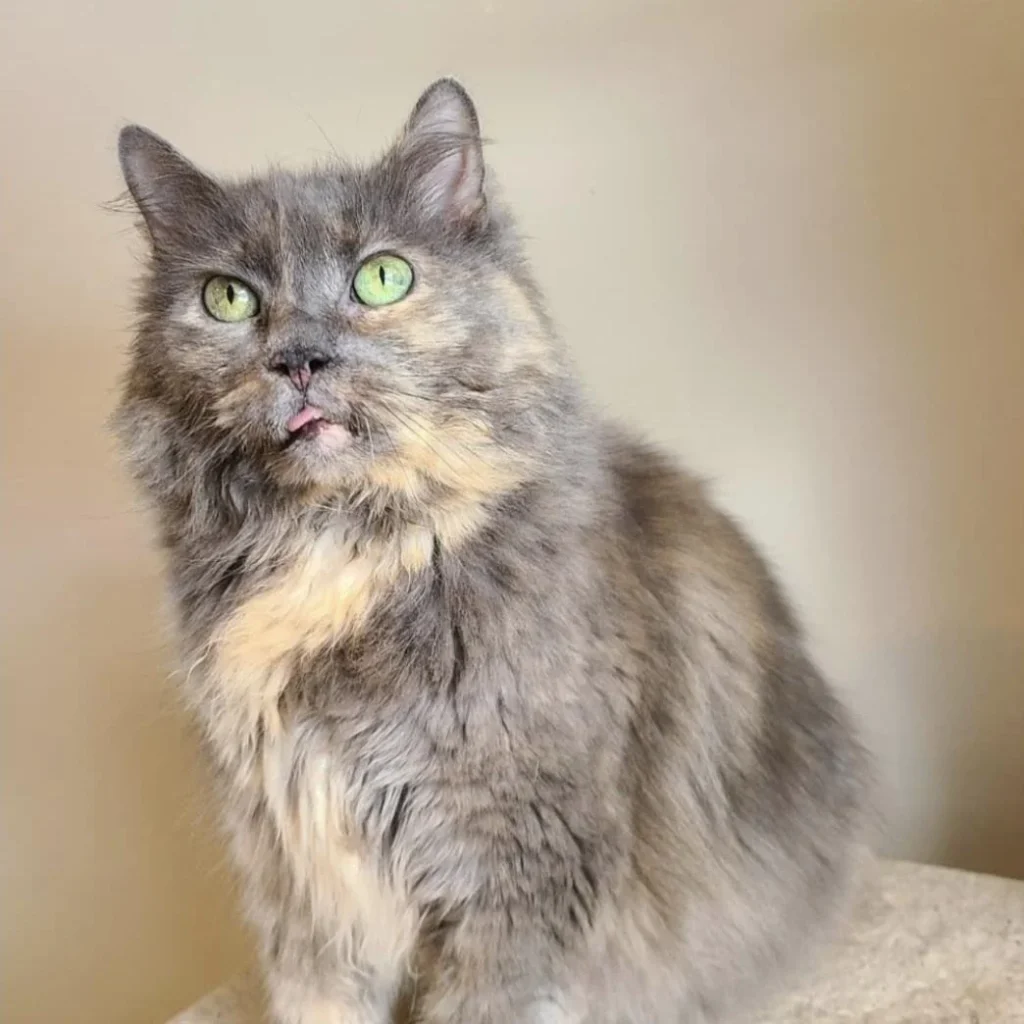
I work as a mobile cat groomer, moving between homes with a compact setup built into a van that carries tubs, dryers, and calming sprays. Over the years, I have handled many unusual coat patterns, but lilac tortoiseshell cats always get a second look from owners before I even touch the brush. Their soft pastel mix of lavender-gray and warm cream tones makes them look almost painted rather than naturally coated. I first started noticing them more frequently a few years into my grooming work when indoor breeding trends shifted coat variations in subtle ways.

Understanding the Lilac Tortoiseshell Coat Pattern

In my experience, the lilac tortoiseshell pattern is one of the most visually delicate combinations you can find in domestic cats. It blends diluted black pigment, which appears as soft lilac-gray, with muted reds or creams, creating a patchy, almost watercolor effect. I often explain to clients that this is not a breed but a color expression, meaning it can appear in different cat types, especially mixed-breed domestic shorthairs. I have seen it most often in indoor cats with calm environments, though that is more coincidence than rule.

The genetics behind this coat are tied to complex dilution genes that soften the standard tortoiseshell mix into lighter tones. I still remember a customer last spring who brought in a young cat, thinking the coat had faded due to health issues, but it was simply the lilac dilution expressing fully as the kitten matured. The coat often shifts slightly in tone depending on lighting, which surprises new owners. In strong daylight, the lilac becomes more noticeable, while indoor lighting makes the cream patches stand out more.

Most of the time, I advise owners not to overthink the rarity claims for these cats, since online discussions often exaggerate their scarcity. They are uncommon compared to standard tortoiseshells, but not mythical in the grooming world. I have handled enough over the years to say they appear regularly in mixed litters. What stands out more is how each one still looks visually unique, even within the same color classification.

Living With Them and Grooming Environment Setup

When I work with lilac tortoiseshell cats during home visits, I focus first on calming the environment rather than immediately reaching for grooming tools. Their temperament varies widely, but I notice many of them respond strongly to unfamiliar noise or sudden movement, especially during initial sessions. A gentle introduction with brushing often sets the tone for the rest of the appointment, so I take my time in those first minutes. I also keep my tools slightly warmer than room temperature, which seems to help reduce tension in sensitive coats.

In one case, I helped a client prepare a dedicated grooming corner at home after repeated stress during bath sessions. They later booked a consultation with a local pet care provider for a lilac tortoiseshell cat to redesign the space for calmer handling. That adjustment made a noticeable difference in how the cat reacted during grooming visits, especially during drying sessions. I noticed fewer resistance behaviors within just two appointments after the change.

Most lilac tortoiseshell cats I encounter prefer predictable routines, and I adjust my visits accordingly. I avoid rushing through brushing, even when schedules are tight, because it usually leads to resistance later. A calm approach tends to reduce shedding spikes and prevent matting, especially in medium-haired individuals. Over time, the cats come to recognize my presence as part of their routine, making each visit smoother than the last.

Lilac Tortoiseshell Cats

Grooming Challenges I Commonly See

One challenge I often face is uneven coat texture across different color patches. The lilac areas can feel slightly finer, while the cream sections sometimes develop thicker undercoats in response to seasonal changes. This variation means the brushing technique cannot stay identical across the entire body. I adjust pressure and direction depending on the section I am working on, which takes practice to get right without causing discomfort.

Another issue I frequently notice is mild matting under the chest and hind legs, especially in cats that spend most of their time indoors. Indoor humidity and limited movement can create small tangles that build slowly over the course of weeks. I usually tell owners that early detection matters more than aggressive detangling sessions. A few minutes of regular brushing every other day can prevent a grooming session that might otherwise take over an hour.

Behavior also plays a big role in how smoothly grooming goes. I have worked with lilac tortoiseshell cats who sit calmly for 30 minutes and others who need breaks every 5 minutes. Patience becomes part of the technical process, not just a personality trait of the groomer. The difference often comes down to early handling experiences during kittenhood, which shape their long-term response to grooming tools.

Health Notes and Long-Term Care Observations

From a grooming standpoint, I pay close attention to skin condition beneath the lilac and cream areas because coat dilution can sometimes make irritation more visible. While there is no direct health issue tied to the color itself, I have seen cases where owners miss early signs of dryness because the lighter pigmentation can hide redness. Regular inspection during brushing helps catch these issues early, before they become larger concerns.

Diet also influences coat quality more than most people expect. I have observed that cats on inconsistent feeding routines tend to develop duller coats, regardless of their color or pattern. In contrast, balanced diets often bring out a softer sheen in the lilac tones, making the coat look smoother and more defined under natural light. I usually suggest small adjustments rather than drastic diet changes unless a veterinarian recommends otherwise.

Adoption trends for these cats have increased slightly in recent years, especially among people who prefer unique coat aesthetics. I have seen families choose them because of their muted, artistic coloring rather than any breed preference. That visual appeal often leads to more attentive grooming habits at home, which benefits the cat in the long run. Still, I always remind owners that personality matters more than appearance when building a long-term bond.

After working closely with different coat types for many years, I have learned that lilac tortoiseshell cats are less about rarity and more about subtle variation within familiar genetics. Each one I handle reinforces how small changes in pigment expression can create an entirely different visual identity. Even now, I still pause for a moment when a new one arrives at my grooming table, not because it is unusual, but because no two ever look quite the same.

Homemade Cat Food Recipes
May
Homemade Cat Food Recipes From My Kitchen Practice

I work as a mobile pet nutrition consultant and spend most of my week visiting homes where cats have very different eating habits and health needs. Over the years, I started preparing simple cat food recipes alongside pet owners so they could understand what actually goes into a balanced bowl. Most of what I share comes from real situations where store-bought food did not suit sensitive stomachs or picky eaters. I have seen how small ingredient changes can completely shift a cat’s energy and coat condition.

Why I Started Preparing Cat Food Myself

My early work involved helping pet owners who relied solely on packaged food, and I noticed recurring issues such as dull fur, a low appetite, and inconsistent digestion. One customer last spring had a rescued cat that refused nearly every commercial brand they tried. We slowly began testing small home-prepared meals using basic proteins and gentle cooking methods. Within a few weeks, the cat started finishing meals without hesitation and became noticeably more active.

I still remember how simple adjustments made the biggest difference rather than complex formulas or expensive ingredients. I once spent an entire afternoon with a family mixing boiled chicken, rice, and a small amount of pumpkin to see what worked best for their older cat. The results were not instant miracles, but steady improvements that encouraged them to stay consistent. I often tell people that patience matters more than perfection in pet nutrition.

Over time, I learned that homemade cat food recipes are not about replacing commercial diets entirely but about complementing them when needed. Some cats only require occasional home meals to improve hydration or support digestion. Others need a more structured plan due to allergies or a veterinarian’s medical advice. I always adjust based on observation rather than strict formulas.

Safe Ingredients I Rely on in My Kitchen Practice

When I prepare meals for cats, I always focus on a small group of safe, easily digestible ingredients that I rotate based on each cat’s response. Chicken, turkey, and boiled fish are usually my starting points because they are gentle and widely accepted by most cats. I avoid anything heavily spiced or processed since even small additives can upset sensitive stomachs. Simple cooking methods like boiling or steaming are enough in most cases.

In my daily work, I often refer pet owners to trusted nutritional resources, and one resource I have used many times for ingredient safety and feeding guidance is Purina Cat Nutrition. It helps clarify what foods are considered safe and how certain nutrients support feline health without overwhelming new pet owners. I usually compare that information with what I observe in real feeding situations at home visits. This combination of practical experience and reference material keeps my recommendations balanced.

Vegetables like carrots and pumpkin occasionally appear in my recipes, but only in small amounts because cats are not natural plant eaters. I once worked with a household where the cat responded well to a tiny mix of pumpkin added to boiled chicken, which helped regulate digestion during a stressful relocation period. Not every ingredient works for every cat, so I always introduce changes slowly. Careful observation is more useful than rushing variety.

Some ingredients I avoid completely include onions, garlic, and anything heavily salted, as these can create serious health risks even in small doses. I also discourage raw feeding unless the owner has deep knowledge and veterinary supervision. Safety remains the priority in every recipe I design for clients, regardless of how simple it looks on the surface.

Homemade Cat Food Recipes

Simple Homemade Cat Food Recipes I Use With Clients

One of the most common recipes I prepare during consultations is boiled chicken with a small portion of plain rice and shredded carrots. I usually cook the chicken until it is fully tender, then mix everything into a soft consistency that is easy for cats to chew. This recipe is often introduced to cats recovering from digestive issues or those transitioning from dry food. It is simple, but it works surprisingly well for many households.

Another recipe I use involves steamed fish mixed with a small amount of pumpkin puree. I first saw this combination work during a visit to a home where the cat had irregular bowel movements and low appetite. After a few days of controlled feeding, the cat showed increased interest in meals and improved digestion. Small adjustments like texture and moisture often matter more than people expect.

I also prepared a turkey-based recipe that includes finely shredded meat with a bit of boiled egg for added protein. This is usually reserved for active cats that need more energy support without heavy fats. I keep portions controlled and always recommend mixing it with their regular diet rather than replacing everything at once. Gradual change is safer for long-term stability.

In some cases, I keep the recipes very minimal, using only one protein source for cats with allergies or unknown sensitivities. That approach helps identify triggers without confusing the digestive system. I once worked with a cat that reacted badly to mixed proteins, and simplifying the diet solved the issue within a few weeks. Simplicity often reveals what complexity hides.

Mistakes I See When People Cook for Cats

One common mistake I encounter is overcomplicating recipes with too many ingredients, which makes it hard to identify what suits the cat. People often assume more variety means better nutrition, but cats do not always respond well to sudden changes. I have seen cases where adding multiple foods at once led to digestive stress and refusal to eat. Slow introduction always works better.

Another issue is seasoning food as if it were meant for humans, which creates unnecessary risk. I still remember a case where a well-meaning owner added spices, thinking it would improve flavor, but the cat stopped eating entirely for days. It took a gradual reset with plain meals to restore appetite. Cats need simplicity, not enhancement.

Portion control is another area where mistakes happen frequently. I often see owners serving large amounts, thinking the cat will self-regulate, but that is not always reliable. Overfeeding can lead to weight gain and reduced activity levels, which in turn affect overall health. Measured portions based on observation tend to produce better long-term results.

Finally, inconsistency in preparation creates confusion for cats. Switching recipes too often makes it harder for them to adapt and trust their meals. I usually advise sticking to one or two stable recipes before introducing anything new. Stability in feeding routines often reflects in calmer behavior and better digestion over time.

Working with cat food recipes has shown me that success is less about complexity and more about attention to detail and patience. Every household I visit teaches me something slightly different about how cats respond to changes in their food. I continue refining my approach based on real observations rather than fixed formulas. The goal is always the same: a healthy and comfortable cat that enjoys its meals without stress.

Are Cats Easier to Care for Than Dogs
May
Are Cats Really Easier to Care for Than Dogs? A Kennel Owner’s Take

I run a small boarding kennel and pet sitting service on the outskirts of town, and over the years, I’ve cared for more animals than I can count. Dogs make up most of my daily routine, but cats pass through my doors often enough to give me a clear picture of both sides. People ask me this question all the time, usually right before they decide which pet to bring home. My answer is always the same: it depends on the kind of life you live and the kind of responsibility you’re ready to take on.

Daily Care Looks Very Different

Dogs demand structure in a way cats simply don’t. I start my mornings at 6 a.m., walking the first batch of boarders, and by the time breakfast rolls around, I’ve already spent a couple of hours on basic care. Feeding a dog is the easy part. It’s the walks, the cleanup, and the constant supervision that add up quickly.

Cats, on the other hand, run on a looser schedule. Most of the cats I board eat twice a day, use their litter box, and then disappear into a quiet corner for hours. I can check on a cat every few hours and still feel confident they’re fine. That’s a completely different rhythm from a dog who starts pacing if you’re ten minutes late for a walk.

I once had three cats staying with me over a long weekend, and their entire routine fit into about forty-five minutes of actual work per day. Compare that to a single energetic dog that needed four walks, playtime, and constant monitoring around feeding times. The workload isn’t even close.

Time Commitment and Lifestyle Fit

If you work long hours or leave home frequently, dogs can become a real challenge. I’ve seen owners struggle because their schedules simply don’t match the animal’s needs. Cats tolerate being alone better and don’t experience the same level of anxiety when left alone for several hours.

For people who are still figuring out how to manage pet responsibilities, I sometimes point them toward resources like ” Are cats easier to take care of than dogs to better understand what daily care actually looks like before making a decision.

There’s a tradeoff, though. Dogs give you more interaction. A dog greets you at the door, pushes for attention, and pulls you outside even when you’d rather stay in. Cats keep more distance. Some owners love that independence, while others feel like something is missing.

Training, Behavior, and Control

Training a dog is work, no way around it. I’ve helped clients correct everything from leash pulling to destructive chewing, and none of it happens overnight. Even a well-behaved dog needs regular reinforcement. Skip a few weeks, and you start to see bad habits creep back in.

Cats don’t require training in the same structured way. Most learn to use a litter box within days, and they rarely need guidance beyond that. Still, they come with their own quirks. I’ve seen cats shred furniture or refuse to use a litter box if something as small as the litter brand changes.

Control is another piece people don’t think about. A dog listens, at least eventually. A cat negotiates. That difference becomes obvious the moment something goes wrong, like when a dog runs toward the street, or a cat wedges itself into a space you can’t reach.

Costs Add Up in Different Ways

At first glance, cats seem cheaper. They eat less, don’t need daily walks, and require fewer accessories. You won’t be buying leashes or collars, or paying for regular grooming, in most cases. For many owners, that’s enough to tip the scale.

Dogs, though, tend to rack up expenses through services. Boarding, daycare, grooming, and training sessions all cost money. A single week of boarding for a medium-sized dog can run into several thousand rupees, depending on the facility and level of care. That adds up over time.

Cats aren’t free of costs either. Litter, scratching posts, and occasional vet visits can surprise new owners. I’ve had clients who underestimated how much they’d spend on maintaining a clean and odor-free litter setup, especially in smaller homes.

Are Cats Easier to Care for Than Dogs

Emotional Needs and Bonding

This is where the conversation shifts from practical to personal. Dogs form strong, visible bonds with their owners. I’ve watched dogs refuse food for a day or two when their owner drops them off for boarding. That level of attachment is intense.

Cats bond differently. It’s quieter and less obvious. A cat may choose to sit near you instead of on you, or follow you from room to room without demanding attention. Some people find that subtle connection more comfortable. Others feel it’s too distant.

I remember a regular client who switched from dogs to cats after moving into a smaller apartment. After six months, he told me he missed the chaos. Not everyone wants a calm house. Some people need that noise and energy to feel at home.

Cleanliness and Home Impact

Dogs bring the outside in. Mud, fur, and the occasional accident are part of the package. Even well-trained dogs can have off days, especially in a new environment. I spend a good part of my afternoons cleaning floors and washing bedding because of this.

Cats keep themselves clean, which makes a big difference indoors. Grooming is rarely an issue unless you’re dealing with a long-haired breed. The litter box is the main concern, and if it’s not maintained properly, it becomes obvious fast.

Space matters too. A cat can live comfortably in a smaller apartment as long as it has vertical space and a quiet place to rest. Dogs, especially larger breeds, need room to move. Without it, you start to see behavioral issues.

So are cats easier than dogs? In many cases, yes. They require less time, less structure, and fewer daily commitments. But easier doesn’t always mean better. I’ve seen people thrive with one and struggle with the other, and the deciding factor is almost always lifestyle, not the animal itself.

Ice Cream for Dogs
May
How I Make Simple Ice Cream for Dogs That They Actually Love

I run a small dog boarding setup out of my home, and over the years, I have learned that treats can make or break a dog’s day. Store-bought snacks are fine, but I kept running into ingredients I didn’t fully trust or dogs that simply turned their noses away. That is how I started making ice cream for dogs in my own kitchen, using things I already had on hand. It began as an experiment and turned into something I now make every week, especially during warmer months. Some dogs wait by the freezer.

Why I Stopped Buying and Started Making It Myself

I remember a summer when three different dogs had mild stomach issues after eating packaged treats, which pushed me to rethink what I was giving them. I am not overly strict about food, but I prefer knowing exactly what goes into it. Most dog ice creams in stores rely on stabilizers or sweeteners that do not add much value for the animal. Once I switched to homemade, I noticed fewer issues and a lot more excitement at treat time.

Another thing that surprised me was the cost. A small tub of specialty dog ice cream can cost more than a regular human ice cream tub in some shops, and I was going through several tubs a week. Making it myself brought that down to a fraction, especially since I buy ingredients like yogurt and peanut butter in larger quantities. Over a few months, that adds up to several thousand rupees saved. It is a small win, but it matters in a business like mine.

Dogs are picky in ways people do not expect. One golden retriever I looked after last winter refused anything banana-based, while another would only eat frozen treats if they had a strong peanut smell. Making my own batches lets me adjust flavors quickly. I can make one tray with pumpkin and another with chicken broth, all in the same afternoon.

The Base Recipe I Keep Coming Back To

I have tested at least a dozen variations, but I keep returning to a simple base that works for most dogs without upsetting their stomachs. It uses plain yogurt, a small amount of natural peanut butter, and a bit of mashed fruit like banana or apple. The ratio I use most often is 1 cup of yogurt, 2 tablespoons of peanut butter, and 1/2 mashed banana. Blend it for about 30 seconds until smooth.

If someone asks me where I learned the basics, I usually point them toward online communities and simple resources like How to Make Ice Cream for Dogs,” which break down safe ingredients in a way that makes sense for everyday dog owners. It is not complicated, but having a reference helps avoid common mistakes. Some seemingly harmless ingredients can actually cause problems for dogs. I learned that the hard way early on.

After blending, I pour the mixture into silicone molds or even old ice cube trays. Then it goes straight into the freezer for at least four hours. I prefer leaving it overnight because the texture becomes firmer and easier to handle. Dogs do not mind a softer texture, but I find it melts too quickly during playtime.

Portion size matters more than people think. Small dogs get half a cube. Bigger ones can handle two or three. I learned this after a bulldog once tried to swallow an entire frozen chunk without chewing. That was a tense few seconds.

Ice Cream for Dogs

Flavor Variations That Actually Work

Once you have the base down, changing flavors becomes easy. I often rotate between peanut butter banana, pumpkin yogurt, and a simple chicken broth mix for dogs that prefer savory over sweet. Pumpkin is especially useful since it helps with digestion in many cases, and I keep canned pumpkin stocked for that reason. One tablespoon per batch is enough to add flavor without overpowering it.

For fruit options, I stick to safe choices like blueberries and apples, always removing seeds and cores. I made a batch with strawberries once, and it went well, but I noticed it melted faster than the others. Texture matters. Dogs notice it more than you would think.

There are a few things I avoid completely. Chocolate is obvious, but I also avoid artificial sweeteners like xylitol, which can be dangerous for dogs even in small amounts. Grapes and raisins are off the list, too. That leaves plenty of safe ingredients to work with, so I never feel limited.

Sometimes I add a crunch element. A few crushed dog biscuits mixed in before freezing can change a dog’s whole experience. It turns a simple treat into something they work at for a few minutes. That can be helpful for anxious dogs who need a distraction.

What I Learned From Serving It to Dozens of Dogs

Not every dog reacts the same way, and that taught me to introduce new treats slowly. I usually give a small test portion first and watch for any reaction over the next few hours. Most dogs handle yogurt-based treats well, but there are always exceptions. I keep notes on each dog, especially the regulars who stay with me every few weeks.

Temperature is another factor I did not expect to matter. Some dogs love rock-solid frozen treats, while others prefer them slightly thawed. I started taking a cube out of the freezer and letting it sit for two minutes before serving. That small change made a big difference in how quickly dogs engaged with it.

Clean-up is part of the routine. Sticky paws happen. I usually serve these treats on a washable mat or outside in the yard, where it does not matter if things get messy. Indoors, it can turn into a cleaning job if you are not careful.

Owners often ask for the recipe when they pick up their dogs. I share it freely, with a few notes about portion size and ingredient safety. Some come back later and tell me their dog now waits by the freezer at home, too. That always makes me smile.

I still keep a few packaged treats around for convenience, but homemade ice cream has become a regular part of how I care for the dogs in my space. It is simple, flexible, and gives me full control over what they eat. More than that, it creates a small moment of excitement in their day, and I see that every time a dog hears the freezer door open, it comes running.

Cat Pee Smell Out of Bedding
May
Getting Cat Pee Smell Out of Bedding Without Ruining the Fabric

I’ve cleaned up more cat urine accidents than I can count over the years, mostly while working with pet owners who brought bedding to me after trying everything at home. The smell is sharp, stubborn, and tends to settle deep into fabric in a way that regular washing just does not fix. I learned early on that rushing the process or using the wrong product usually makes the odor worse, not better. The key is treating both the stain and the invisible matter in the fibers.

First Response Before Washing

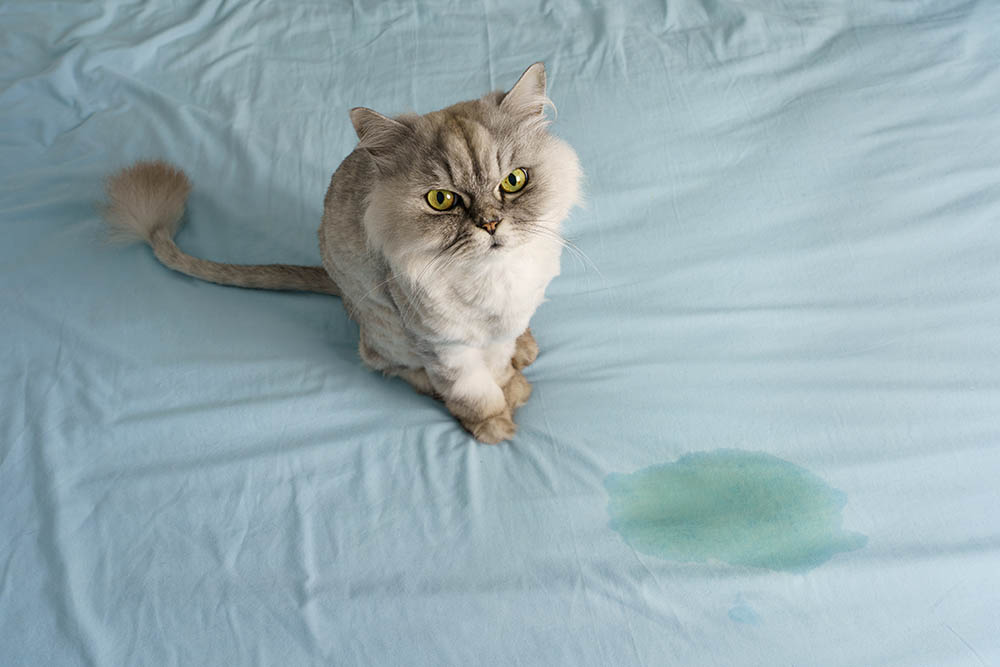
When I first deal with cat pee on bedding, I focus on removing as much liquid as possible before it spreads deeper. I usually press down gently with paper towels or an old cloth, avoiding rubbing because that just pushes the urine further into the fabric. I’ve seen people panic and throw the bedding straight into a hot wash, which often locks the smell in permanently. Cold water and patience work better at this stage.

In one case, a customer last spring brought me a heavy comforter that had been soaked overnight, and the smell had already started to intensify. I explained that enzyme-based cleaners break down uric acid rather than masking it, and that step alone saved her from having to replace the bedding entirely. I often suggest a pet stain enzyme spray before anything else, and a local laundry service that specializes in odor removal can help when home treatment feels overwhelming. Let the solution sit for at least 10 to 15 minutes so it can reach deep into the fibers. After that, blot again instead of scrubbing.

I’ve also noticed that timing matters more than people expect. The faster you treat the area, the easier it is to fully remove the odor without multiple wash cycles. If the stain dries completely before treatment, I usually have to repeat the process two or three times. Fresh accidents are much easier to handle than old, set-in ones.

Washing the Bedding Properly

Once the pre-treatment is done, I move to the washing machine, but I adjust my usual routine. I never use hot water for cat urine stains because heat can bond the smell to fabric fibers. Instead, I use cold or lukewarm water along with a strong enzyme detergent designed for pet odors. Regular detergent alone rarely handles the uric acid crystals effectively.

In my experience, overloading the machine is one of the biggest mistakes people make. Bedding needs space to move freely so the water and detergent can reach all areas evenly. I usually wash one large item at a time, even if it takes more cycles. If the smell is strong, I sometimes run a second wash without detergent to flush out residue. Air circulation during washing helps more than most people realize.

I’ve had situations where clients told me they washed the same bedding five times with no improvement, only to find they were using standard detergent and warm water. Once I corrected those two factors, the results changed quickly. It is not about repeating the same wash, but adjusting the method until the chemistry works in your favor.

Cat Pee Smell Out of Bedding

Drying Without Locking in the Smell

Drying is where many people accidentally ruin their progress. If any trace of urine smell remains and the bedding goes into a hot dryer, the heat can seal it permanently into the fabric. I always recommend air drying first, even if it takes longer, because it allows you to check the smell before committing to heat. I usually hang items outside when the weather allows, or in a well-ventilated room.

There was a case with a thick duvet I handled where the owner kept drying it on high heat after every wash cycle. The smell became faint but never disappeared because the dryer essentially locked it in each time. Once I had her switch to air drying for the final cycle, the odor finally cleared. I also suggest checking the fabric while it is still slightly damp to make sure no scent remains.

If everything smells clean after air-drying, a low-heat tumble in the dryer can restore softness. I usually add a few dryer balls to help with airflow and reduce drying time. The goal is not speed but confirmation that the odor is fully gone before applying heat.

Preventing Repeat Accidents and Lingering Odors

After cleaning, I always think about why the accident happened in the first place. Cats sometimes urinate on bedding due to stress, litter box issues, or medical concerns, and ignoring that often leads to repeat problems. I’ve worked with owners whose cats returned to the same spot multiple times because the odor was still detectable to the animal, even when humans could no longer smell it.

One important step I stress is completely neutralizing scent markers rather than just cleaning visually. Cats have a strong sense of smell, and even faint traces can encourage repeat behavior. I sometimes use a blacklight to check for hidden spots that were missed during the initial cleaning. It is surprising how often small areas are overlooked, especially on layered bedding.

I also recommend keeping a spare washable blanket on the bed for a while after an accident. This protects the main bedding and gives you more control if another incident happens during the adjustment period. Over time, consistent cleaning habits reduce both odor retention and repeat behavior.

Dealing with cat pee on bedding is rarely a one-step fix, but once you understand how the stain behaves in fabric, the process becomes more predictable. Most of the frustration I see comes from using heat too early or skipping enzyme treatment, and correcting those two things usually changes the outcome completely.

Tortoiseshell Persian Cat
May
Living with a Tortoiseshell Persian Cat in My Grooming Practice

I work as a mobile cat groomer in Lahore, and over the years, I have handled a wide range of Persian cats that come with very different coat patterns and temperaments. The tortoiseshell Persian stands out because no two coats ever look the same, and that unpredictability shows up in grooming sessions, too. I first started noticing them more often when a few breeders in the city began mixing traditional Persian lines with more varied coat genetics. Since then, I have worked on dozens of them in cramped apartments, quiet villas, and even a few rescue foster homes. They always leave a strong impression on me.

First Impressions in My Grooming Van

When a tortoiseshell Persian steps into my grooming van, I usually notice the coat first. The mix of black, orange, and cream tones creates a patchwork effect that looks almost hand-painted, and the long Persian fur makes it even more dramatic. I have had cats that behave like statues during grooming, and others that treat every brush stroke like a negotiation. With tortoiseshell Persians, I never assume which type I am getting until the session begins. Their personality often matches the unpredictability of their coat pattern.

Some owners contact me through a Persian cat grooming service listing they find while searching for specialized care, especially when their cats start developing mats that regular brushing cannot handle. I remember one customer last spring who brought in a tortoiseshell Persian that had not been professionally groomed in nearly a year. The coat had tightened into dense clumps around the hind legs and chest, and the cat was clearly uncomfortable but still surprisingly calm. It took a gradual approach over two sessions to fully reset the coat without stressing the animal.

Working on these cats has taught me patience in a very practical way. I cannot rush through a tortoiseshell Persian grooming session the same way I might with a short-haired breed. Their coats demand attention to detail, especially because the color layering makes it harder to spot hidden tangles at first glance. I often rely more on touch than sight when I am working through the undercoat. That habit has saved me from causing discomfort more than once.

Coat Genetics and What I See in Real Life

Tortoiseshell coloring in Persian cats is not a breed trait but a coat pattern caused by genetic variation. In my experience, most tortoiseshell Persians come from mixed breeding lines where color inheritance does not follow a predictable pattern. The result is a cat that appears visually complex, with patches of red, black, and cream blending unevenly. I have seen kittens born almost solid-colored that later develop their tortoiseshell pattern as they grow.

One thing I notice is that coat density often varies within the same cat. A tortoiseshell Persian might have a thick mane around the neck, but softer, thinner fur on the belly and inner legs. This uneven density makes grooming more challenging because mats form in unexpected places. I always tell owners that brushing only the visible topcoat isn’t enough for this type of cat. The undercoat tells the real story of what is happening beneath the surface.

The pattern itself also changes perception. Two tortoiseshell Persians can look completely different even if they share similar genetics. I have worked on cats that lean heavily toward dark tones, while others look almost golden under natural light. This variation keeps the work interesting for me because no two grooming sessions feel identical. It also means I have to adjust my approach every single time.

Tortoiseshell Persian Cat

Behavior and Personality During Grooming

From what I have seen, tortoiseshell Persians tend to show strong personalities, though I would not call it a fixed rule. Some are extremely calm and almost detached during grooming, while others react strongly to even light brushing. I had one cat that would sit still for twenty minutes and then suddenly decide it had had enough and walk away mid-session. That unpredictability forces me to stay alert and flexible throughout the process.

Owners often describe their tortoiseshell Persians as “talkative” or “opinionated,” and I have found that to be partly true. These cats communicate more through body language than vocalization during grooming. A slight tail flick or shift in posture usually tells me more than a meow ever could. I have learned to pause at the smallest signs of discomfort instead of pushing through.

Despite the occasional resistance, many of them settle into a rhythm after a few visits. Familiarity with the grooming environment makes a huge difference. When a cat recognizes my van, my tools, and even the scent of the space, it tends to relax more quickly. I have seen anxious tortoiseshell Persians become almost sleepy during brushing after a few months of consistent care.

Grooming Routine and Health Challenges

Persian cats in general require consistent grooming, and tortoiseshell variations are no exception. Their long coats trap loose hair, leading to matting if not managed weekly. I usually recommend owners brush them at home at least three to four times a week, even if they are not aiming for a perfect coat. Consistency matters more than intensity in this case.

In my routine, I start with a wide-tooth comb to loosen the outer layer, then move to finer tools for the undercoat. I also pay attention to sensitive areas, such as behind the ears and under the armpits, where mats form quickly. If I ignore those spots, I often find tight knots forming within a couple of weeks. A gentle detangling spray sometimes helps, but technique matters more than products.

Health-wise, I have seen a few common issues in tortoiseshell Persians, mostly related to skin irritation under dense mats. When air cannot circulate properly through the coat, moisture builds up, causing discomfort for the cat. In one case, a young tortoiseshell Persian developed small patches of redness that required a vet visit after grooming revealed the extent of the matting. That experience made me more cautious about early intervention.

Living With and Caring for Them Long-Term

Owners who live with tortoiseshell Persians often tell me that they feel like they are sharing space with a cat that has its own opinions about everything. I have seen them choose specific resting spots in a home and refuse to move even when the environment changes slightly. That strong sense of preference extends to grooming routines as well, which is why consistency is so important.

From my perspective, the key to a healthy tortoiseshell Persian is routine care combined with patience. Skipping grooming for even a short period can create a chain reaction of matting and discomfort that becomes harder to manage later. I usually advise owners to treat grooming as part of daily life rather than an occasional task. It makes everything easier for both the cat and the human.

Over time, I have grown fond of these cats because they are never boring. Each one carries its own coat pattern, behavior style, and grooming challenges. Even after hundreds of grooming sessions across different breeds, a tortoiseshell Persian still manages to surprise me now and then. That unpredictability is what keeps me attentive every time someone walks into my van.

Can Dogs Get a Sunburn
May
Can Dogs Get a Sunburn and How I’ve Seen It Happen

I run a small mobile dog grooming van and spend most of my days outdoors, parked in driveways or along quiet streets. Over the years, I’ve seen more than a few dogs return from a sunny afternoon looking uncomfortable in ways most owners didn’t expect. The question comes up more often than you’d think. Can dogs actually get sunburned, or is that just something people assume? From what I’ve handled firsthand, the answer is pretty clear.

What Sunburn Looks Like on Dogs in Real Life

The first time I noticed it clearly was on a short-haired white terrier I groomed late one summer. The skin along his back looked pink and slightly swollen, and he flinched when I ran a brush lightly over the area. It wasn’t a rash or allergy. It was sunburn.

Dogs don’t show it the same way people do, and that’s where confusion starts. You won’t see peeling skin right away, and many dogs won’t scratch or react until it’s already irritated. In my experience, the most common signs are redness on the nose, ears, belly, or along the spine, especially in dogs with thin coats or light-colored fur.

I’ve handled 15-20 cases over the past few summers in which sun exposure was the clear cause. Most of those dogs spent three to five hours outside with little shade. That’s enough. It doesn’t take a full day at the beach.

Which Dogs Are More Likely to Burn

Some dogs are simply more at risk than others, and I’ve learned to spot them quickly the moment they step out of the owner’s door. Thin-coated breeds like Boxers and Dalmatians tend to burn faster, especially on their noses and ear tips. Hairless breeds are in a category of their own, and they require almost the same sun care as a person with very fair skin.

I always warn owners with light-colored dogs because pigment plays a big role here. A pale pink nose or sparse fur along the belly means less natural protection. I’ve even seen a golden retriever with a shaved summer cut come back slightly burned along the back where the coat had been trimmed too close.

There are also cases where medical conditions or age thin out a dog’s coat. A senior dog I groomed last year had patchy fur along his sides, and after one afternoon in the yard, those exposed areas turned noticeably red. That kind of sensitivity creeps up on people who have had the same dog for years without issues.

What I Tell Owners About Prevention

Most owners don’t think about sun protection until after something goes wrong. I usually bring it up casually during a grooming session if I notice risk factors. Shade matters more than people think, especially during peak hours between 11 a.m. and 3 p.m.

One thing I’ve suggested to a few regular clients is using pet-safe sunscreen, and I’ve seen decent results when applied properly before longer outdoor time. A client once asked where to start, and I pointed them toward a basic overview of dog sunscreen products to understand which ingredients are safe for pets. They came back a few weeks later, saying their dog seemed far more comfortable after long walks.

I also advise against shaving coats too short in summer unless there’s a specific reason. It sounds counterintuitive, but that layer of fur does offer protection. I’ve adjusted my grooming approach over time because of what I’ve seen. Now I leave a bit more length on certain dogs during the hotter months.

Can Dogs Get a Sunburn

How Bad Can It Get If Ignored

Most mild sunburn cases I’ve seen heal within a couple of days with basic care, but a few have gone further. A bulldog I worked on for 1 year had blistering along the top of his back, and it clearly caused pain even during gentle handling. That dog had been left outside for most of a bright weekend.

Long-term exposure is where things get serious. Repeated sunburn can lead to skin damage that doesn’t fully recover, and in rare cases, it can increase the risk of skin tumors. I don’t throw that around lightly, but I’ve heard it directly from a local vet I trust.

Dogs won’t always show immediate discomfort. That’s part of the problem. By the time they start licking or avoiding touch, the damage is already there. It sneaks up on people.

What I Do When I Suspect a Burn

If I notice signs during a grooming session, I keep things simple and careful. I avoid hot water and switch to lukewarm rinses, and I skip any harsh shampoos that might irritate the skin further. Sometimes I’ll even stop a session early if the dog seems uncomfortable.

I’ll usually mention it directly to the owner and suggest they keep the dog out of direct sunlight for a few days. In a couple of cases, I’ve recommended a vet visit, especially if there’s swelling or signs of blistering. It’s not something to guess your way through.

I’ve learned to trust what I see with my hands. Skin tells you a lot if you pay attention. Warm, tender areas with slight redness are often the first clue, and once you know what that feels like, it’s hard to miss.

Most people assume dogs are naturally protected just because they have fur, but that only goes so far. After years of working outdoors with animals, I’ve stopped thinking of sunburn as rare. It’s just under-recognized. A little awareness goes a long way, and in my line of work, it’s made a noticeable difference in how comfortable the dogs are when they show up at my van.