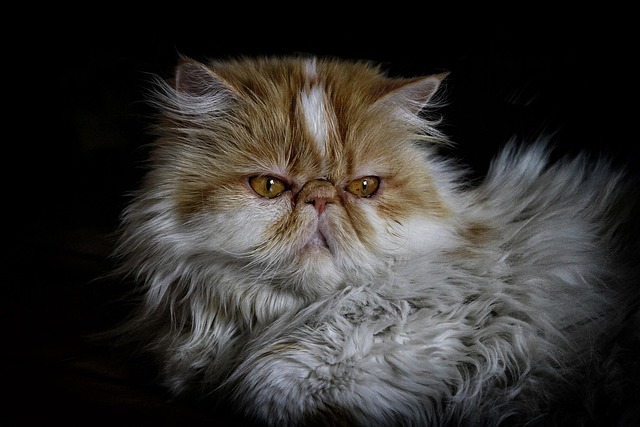
Are Cats Easier to Care for Than Dogs
May
Are Cats Really Easier to Care for Than Dogs? A Kennel Owner’s Take

I run a small boarding kennel and pet sitting service on the outskirts of town, and over the years, I’ve cared for more animals than I can count. Dogs make up most of my daily routine, but cats pass through my doors often enough to give me a clear picture of both sides. People ask me this question all the time, usually right before they decide which pet to bring home. My answer is always the same: it depends on the kind of life you live and the kind of responsibility you’re ready to take on.

Daily Care Looks Very Different

Dogs demand structure in a way cats simply don’t. I start my mornings at 6 a.m., walking the first batch of boarders, and by the time breakfast rolls around, I’ve already spent a couple of hours on basic care. Feeding a dog is the easy part. It’s the walks, the cleanup, and the constant supervision that add up quickly.

Cats, on the other hand, run on a looser schedule. Most of the cats I board eat twice a day, use their litter box, and then disappear into a quiet corner for hours. I can check on a cat every few hours and still feel confident they’re fine. That’s a completely different rhythm from a dog who starts pacing if you’re ten minutes late for a walk.

I once had three cats staying with me over a long weekend, and their entire routine fit into about forty-five minutes of actual work per day. Compare that to a single energetic dog that needed four walks, playtime, and constant monitoring around feeding times. The workload isn’t even close.

Time Commitment and Lifestyle Fit

If you work long hours or leave home frequently, dogs can become a real challenge. I’ve seen owners struggle because their schedules simply don’t match the animal’s needs. Cats tolerate being alone better and don’t experience the same level of anxiety when left alone for several hours.

For people who are still figuring out how to manage pet responsibilities, I sometimes point them toward resources like ” Are cats easier to take care of than dogs to better understand what daily care actually looks like before making a decision.

There’s a tradeoff, though. Dogs give you more interaction. A dog greets you at the door, pushes for attention, and pulls you outside even when you’d rather stay in. Cats keep more distance. Some owners love that independence, while others feel like something is missing.

Training, Behavior, and Control

Training a dog is work, no way around it. I’ve helped clients correct everything from leash pulling to destructive chewing, and none of it happens overnight. Even a well-behaved dog needs regular reinforcement. Skip a few weeks, and you start to see bad habits creep back in.

Cats don’t require training in the same structured way. Most learn to use a litter box within days, and they rarely need guidance beyond that. Still, they come with their own quirks. I’ve seen cats shred furniture or refuse to use a litter box if something as small as the litter brand changes.

Control is another piece people don’t think about. A dog listens, at least eventually. A cat negotiates. That difference becomes obvious the moment something goes wrong, like when a dog runs toward the street, or a cat wedges itself into a space you can’t reach.

Costs Add Up in Different Ways

At first glance, cats seem cheaper. They eat less, don’t need daily walks, and require fewer accessories. You won’t be buying leashes or collars, or paying for regular grooming, in most cases. For many owners, that’s enough to tip the scale.

Dogs, though, tend to rack up expenses through services. Boarding, daycare, grooming, and training sessions all cost money. A single week of boarding for a medium-sized dog can run into several thousand rupees, depending on the facility and level of care. That adds up over time.

Cats aren’t free of costs either. Litter, scratching posts, and occasional vet visits can surprise new owners. I’ve had clients who underestimated how much they’d spend on maintaining a clean and odor-free litter setup, especially in smaller homes.
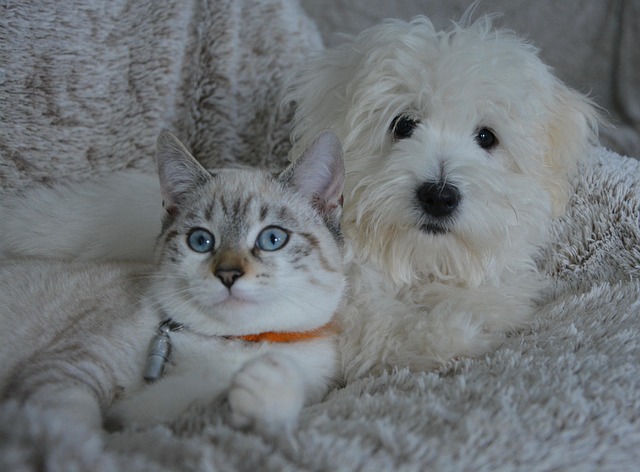
Are Cats Easier to Care for Than Dogs

Emotional Needs and Bonding

This is where the conversation shifts from practical to personal. Dogs form strong, visible bonds with their owners. I’ve watched dogs refuse food for a day or two when their owner drops them off for boarding. That level of attachment is intense.

Cats bond differently. It’s quieter and less obvious. A cat may choose to sit near you instead of on you, or follow you from room to room without demanding attention. Some people find that subtle connection more comfortable. Others feel it’s too distant.

I remember a regular client who switched from dogs to cats after moving into a smaller apartment. After six months, he told me he missed the chaos. Not everyone wants a calm house. Some people need that noise and energy to feel at home.

Cleanliness and Home Impact

Dogs bring the outside in. Mud, fur, and the occasional accident are part of the package. Even well-trained dogs can have off days, especially in a new environment. I spend a good part of my afternoons cleaning floors and washing bedding because of this.

Cats keep themselves clean, which makes a big difference indoors. Grooming is rarely an issue unless you’re dealing with a long-haired breed. The litter box is the main concern, and if it’s not maintained properly, it becomes obvious fast.

Space matters too. A cat can live comfortably in a smaller apartment as long as it has vertical space and a quiet place to rest. Dogs, especially larger breeds, need room to move. Without it, you start to see behavioral issues.

So are cats easier than dogs? In many cases, yes. They require less time, less structure, and fewer daily commitments. But easier doesn’t always mean better. I’ve seen people thrive with one and struggle with the other, and the deciding factor is almost always lifestyle, not the animal itself.

Ice Cream for Dogs
May
How I Make Simple Ice Cream for Dogs That They Actually Love

I run a small dog boarding setup out of my home, and over the years, I have learned that treats can make or break a dog’s day. Store-bought snacks are fine, but I kept running into ingredients I didn’t fully trust or dogs that simply turned their noses away. That is how I started making ice cream for dogs in my own kitchen, using things I already had on hand. It began as an experiment and turned into something I now make every week, especially during warmer months. Some dogs wait by the freezer.

Why I Stopped Buying and Started Making It Myself

I remember a summer when three different dogs had mild stomach issues after eating packaged treats, which pushed me to rethink what I was giving them. I am not overly strict about food, but I prefer knowing exactly what goes into it. Most dog ice creams in stores rely on stabilizers or sweeteners that do not add much value for the animal. Once I switched to homemade, I noticed fewer issues and a lot more excitement at treat time.

Another thing that surprised me was the cost. A small tub of specialty dog ice cream can cost more than a regular human ice cream tub in some shops, and I was going through several tubs a week. Making it myself brought that down to a fraction, especially since I buy ingredients like yogurt and peanut butter in larger quantities. Over a few months, that adds up to several thousand rupees saved. It is a small win, but it matters in a business like mine.

Dogs are picky in ways people do not expect. One golden retriever I looked after last winter refused anything banana-based, while another would only eat frozen treats if they had a strong peanut smell. Making my own batches lets me adjust flavors quickly. I can make one tray with pumpkin and another with chicken broth, all in the same afternoon.

The Base Recipe I Keep Coming Back To

I have tested at least a dozen variations, but I keep returning to a simple base that works for most dogs without upsetting their stomachs. It uses plain yogurt, a small amount of natural peanut butter, and a bit of mashed fruit like banana or apple. The ratio I use most often is 1 cup of yogurt, 2 tablespoons of peanut butter, and 1/2 mashed banana. Blend it for about 30 seconds until smooth.

If someone asks me where I learned the basics, I usually point them toward online communities and simple resources like How to Make Ice Cream for Dogs,” which break down safe ingredients in a way that makes sense for everyday dog owners. It is not complicated, but having a reference helps avoid common mistakes. Some seemingly harmless ingredients can actually cause problems for dogs. I learned that the hard way early on.

After blending, I pour the mixture into silicone molds or even old ice cube trays. Then it goes straight into the freezer for at least four hours. I prefer leaving it overnight because the texture becomes firmer and easier to handle. Dogs do not mind a softer texture, but I find it melts too quickly during playtime.

Portion size matters more than people think. Small dogs get half a cube. Bigger ones can handle two or three. I learned this after a bulldog once tried to swallow an entire frozen chunk without chewing. That was a tense few seconds.

Ice Cream for Dogs

Flavor Variations That Actually Work

Once you have the base down, changing flavors becomes easy. I often rotate between peanut butter banana, pumpkin yogurt, and a simple chicken broth mix for dogs that prefer savory over sweet. Pumpkin is especially useful since it helps with digestion in many cases, and I keep canned pumpkin stocked for that reason. One tablespoon per batch is enough to add flavor without overpowering it.

For fruit options, I stick to safe choices like blueberries and apples, always removing seeds and cores. I made a batch with strawberries once, and it went well, but I noticed it melted faster than the others. Texture matters. Dogs notice it more than you would think.

There are a few things I avoid completely. Chocolate is obvious, but I also avoid artificial sweeteners like xylitol, which can be dangerous for dogs even in small amounts. Grapes and raisins are off the list, too. That leaves plenty of safe ingredients to work with, so I never feel limited.

Sometimes I add a crunch element. A few crushed dog biscuits mixed in before freezing can change a dog’s whole experience. It turns a simple treat into something they work at for a few minutes. That can be helpful for anxious dogs who need a distraction.

What I Learned From Serving It to Dozens of Dogs

Not every dog reacts the same way, and that taught me to introduce new treats slowly. I usually give a small test portion first and watch for any reaction over the next few hours. Most dogs handle yogurt-based treats well, but there are always exceptions. I keep notes on each dog, especially the regulars who stay with me every few weeks.

Temperature is another factor I did not expect to matter. Some dogs love rock-solid frozen treats, while others prefer them slightly thawed. I started taking a cube out of the freezer and letting it sit for two minutes before serving. That small change made a big difference in how quickly dogs engaged with it.

Clean-up is part of the routine. Sticky paws happen. I usually serve these treats on a washable mat or outside in the yard, where it does not matter if things get messy. Indoors, it can turn into a cleaning job if you are not careful.

Owners often ask for the recipe when they pick up their dogs. I share it freely, with a few notes about portion size and ingredient safety. Some come back later and tell me their dog now waits by the freezer at home, too. That always makes me smile.

I still keep a few packaged treats around for convenience, but homemade ice cream has become a regular part of how I care for the dogs in my space. It is simple, flexible, and gives me full control over what they eat. More than that, it creates a small moment of excitement in their day, and I see that every time a dog hears the freezer door open, it comes running.

Cat Pee Smell Out of Bedding
May
Getting Cat Pee Smell Out of Bedding Without Ruining the Fabric

I’ve cleaned up more cat urine accidents than I can count over the years, mostly while working with pet owners who brought bedding to me after trying everything at home. The smell is sharp, stubborn, and tends to settle deep into fabric in a way that regular washing just does not fix. I learned early on that rushing the process or using the wrong product usually makes the odor worse, not better. The key is treating both the stain and the invisible matter in the fibers.

First Response Before Washing

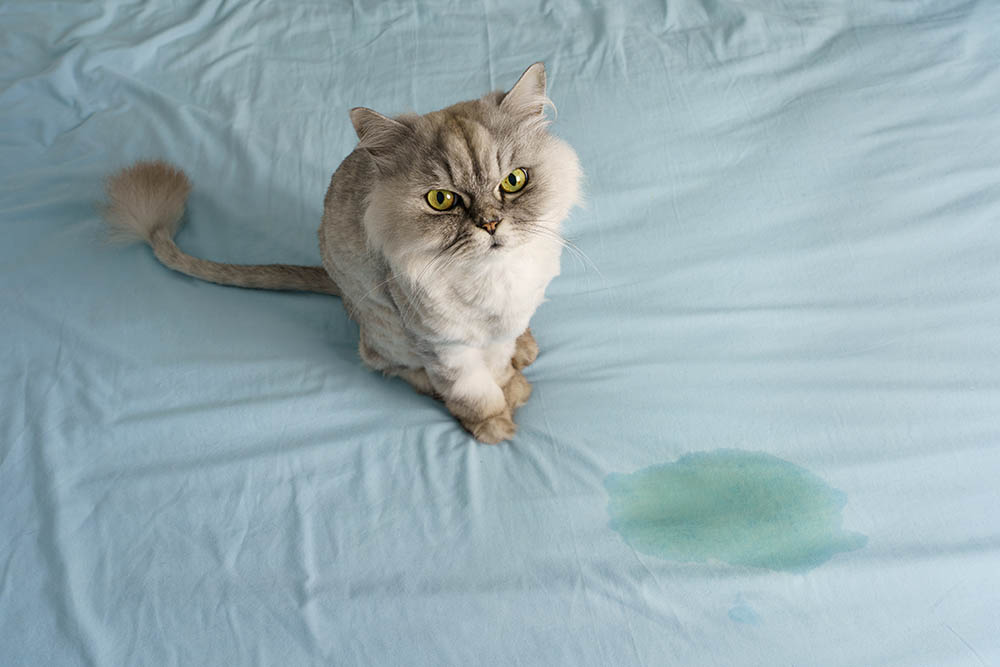
When I first deal with cat pee on bedding, I focus on removing as much liquid as possible before it spreads deeper. I usually press down gently with paper towels or an old cloth, avoiding rubbing because that just pushes the urine further into the fabric. I’ve seen people panic and throw the bedding straight into a hot wash, which often locks the smell in permanently. Cold water and patience work better at this stage.

In one case, a customer last spring brought me a heavy comforter that had been soaked overnight, and the smell had already started to intensify. I explained that enzyme-based cleaners break down uric acid rather than masking it, and that step alone saved her from having to replace the bedding entirely. I often suggest a pet stain enzyme spray before anything else, and a local laundry service that specializes in odor removal can help when home treatment feels overwhelming. Let the solution sit for at least 10 to 15 minutes so it can reach deep into the fibers. After that, blot again instead of scrubbing.

I’ve also noticed that timing matters more than people expect. The faster you treat the area, the easier it is to fully remove the odor without multiple wash cycles. If the stain dries completely before treatment, I usually have to repeat the process two or three times. Fresh accidents are much easier to handle than old, set-in ones.

Washing the Bedding Properly

Once the pre-treatment is done, I move to the washing machine, but I adjust my usual routine. I never use hot water for cat urine stains because heat can bond the smell to fabric fibers. Instead, I use cold or lukewarm water along with a strong enzyme detergent designed for pet odors. Regular detergent alone rarely handles the uric acid crystals effectively.

In my experience, overloading the machine is one of the biggest mistakes people make. Bedding needs space to move freely so the water and detergent can reach all areas evenly. I usually wash one large item at a time, even if it takes more cycles. If the smell is strong, I sometimes run a second wash without detergent to flush out residue. Air circulation during washing helps more than most people realize.

I’ve had situations where clients told me they washed the same bedding five times with no improvement, only to find they were using standard detergent and warm water. Once I corrected those two factors, the results changed quickly. It is not about repeating the same wash, but adjusting the method until the chemistry works in your favor.

Cat Pee Smell Out of Bedding

Drying Without Locking in the Smell

Drying is where many people accidentally ruin their progress. If any trace of urine smell remains and the bedding goes into a hot dryer, the heat can seal it permanently into the fabric. I always recommend air drying first, even if it takes longer, because it allows you to check the smell before committing to heat. I usually hang items outside when the weather allows, or in a well-ventilated room.

There was a case with a thick duvet I handled where the owner kept drying it on high heat after every wash cycle. The smell became faint but never disappeared because the dryer essentially locked it in each time. Once I had her switch to air drying for the final cycle, the odor finally cleared. I also suggest checking the fabric while it is still slightly damp to make sure no scent remains.

If everything smells clean after air-drying, a low-heat tumble in the dryer can restore softness. I usually add a few dryer balls to help with airflow and reduce drying time. The goal is not speed but confirmation that the odor is fully gone before applying heat.

Preventing Repeat Accidents and Lingering Odors

After cleaning, I always think about why the accident happened in the first place. Cats sometimes urinate on bedding due to stress, litter box issues, or medical concerns, and ignoring that often leads to repeat problems. I’ve worked with owners whose cats returned to the same spot multiple times because the odor was still detectable to the animal, even when humans could no longer smell it.

One important step I stress is completely neutralizing scent markers rather than just cleaning visually. Cats have a strong sense of smell, and even faint traces can encourage repeat behavior. I sometimes use a blacklight to check for hidden spots that were missed during the initial cleaning. It is surprising how often small areas are overlooked, especially on layered bedding.

I also recommend keeping a spare washable blanket on the bed for a while after an accident. This protects the main bedding and gives you more control if another incident happens during the adjustment period. Over time, consistent cleaning habits reduce both odor retention and repeat behavior.

Dealing with cat pee on bedding is rarely a one-step fix, but once you understand how the stain behaves in fabric, the process becomes more predictable. Most of the frustration I see comes from using heat too early or skipping enzyme treatment, and correcting those two things usually changes the outcome completely.

Tortoiseshell Persian Cat
May
Living with a Tortoiseshell Persian Cat in My Grooming Practice

I work as a mobile cat groomer in Lahore, and over the years, I have handled a wide range of Persian cats that come with very different coat patterns and temperaments. The tortoiseshell Persian stands out because no two coats ever look the same, and that unpredictability shows up in grooming sessions, too. I first started noticing them more often when a few breeders in the city began mixing traditional Persian lines with more varied coat genetics. Since then, I have worked on dozens of them in cramped apartments, quiet villas, and even a few rescue foster homes. They always leave a strong impression on me.

First Impressions in My Grooming Van

When a tortoiseshell Persian steps into my grooming van, I usually notice the coat first. The mix of black, orange, and cream tones creates a patchwork effect that looks almost hand-painted, and the long Persian fur makes it even more dramatic. I have had cats that behave like statues during grooming, and others that treat every brush stroke like a negotiation. With tortoiseshell Persians, I never assume which type I am getting until the session begins. Their personality often matches the unpredictability of their coat pattern.

Some owners contact me through a Persian cat grooming service listing they find while searching for specialized care, especially when their cats start developing mats that regular brushing cannot handle. I remember one customer last spring who brought in a tortoiseshell Persian that had not been professionally groomed in nearly a year. The coat had tightened into dense clumps around the hind legs and chest, and the cat was clearly uncomfortable but still surprisingly calm. It took a gradual approach over two sessions to fully reset the coat without stressing the animal.

Working on these cats has taught me patience in a very practical way. I cannot rush through a tortoiseshell Persian grooming session the same way I might with a short-haired breed. Their coats demand attention to detail, especially because the color layering makes it harder to spot hidden tangles at first glance. I often rely more on touch than sight when I am working through the undercoat. That habit has saved me from causing discomfort more than once.

Coat Genetics and What I See in Real Life

Tortoiseshell coloring in Persian cats is not a breed trait but a coat pattern caused by genetic variation. In my experience, most tortoiseshell Persians come from mixed breeding lines where color inheritance does not follow a predictable pattern. The result is a cat that appears visually complex, with patches of red, black, and cream blending unevenly. I have seen kittens born almost solid-colored that later develop their tortoiseshell pattern as they grow.

One thing I notice is that coat density often varies within the same cat. A tortoiseshell Persian might have a thick mane around the neck, but softer, thinner fur on the belly and inner legs. This uneven density makes grooming more challenging because mats form in unexpected places. I always tell owners that brushing only the visible topcoat isn’t enough for this type of cat. The undercoat tells the real story of what is happening beneath the surface.

The pattern itself also changes perception. Two tortoiseshell Persians can look completely different even if they share similar genetics. I have worked on cats that lean heavily toward dark tones, while others look almost golden under natural light. This variation keeps the work interesting for me because no two grooming sessions feel identical. It also means I have to adjust my approach every single time.

Tortoiseshell Persian Cat

Behavior and Personality During Grooming

From what I have seen, tortoiseshell Persians tend to show strong personalities, though I would not call it a fixed rule. Some are extremely calm and almost detached during grooming, while others react strongly to even light brushing. I had one cat that would sit still for twenty minutes and then suddenly decide it had had enough and walk away mid-session. That unpredictability forces me to stay alert and flexible throughout the process.

Owners often describe their tortoiseshell Persians as “talkative” or “opinionated,” and I have found that to be partly true. These cats communicate more through body language than vocalization during grooming. A slight tail flick or shift in posture usually tells me more than a meow ever could. I have learned to pause at the smallest signs of discomfort instead of pushing through.

Despite the occasional resistance, many of them settle into a rhythm after a few visits. Familiarity with the grooming environment makes a huge difference. When a cat recognizes my van, my tools, and even the scent of the space, it tends to relax more quickly. I have seen anxious tortoiseshell Persians become almost sleepy during brushing after a few months of consistent care.

Grooming Routine and Health Challenges

Persian cats in general require consistent grooming, and tortoiseshell variations are no exception. Their long coats trap loose hair, leading to matting if not managed weekly. I usually recommend owners brush them at home at least three to four times a week, even if they are not aiming for a perfect coat. Consistency matters more than intensity in this case.

In my routine, I start with a wide-tooth comb to loosen the outer layer, then move to finer tools for the undercoat. I also pay attention to sensitive areas, such as behind the ears and under the armpits, where mats form quickly. If I ignore those spots, I often find tight knots forming within a couple of weeks. A gentle detangling spray sometimes helps, but technique matters more than products.

Health-wise, I have seen a few common issues in tortoiseshell Persians, mostly related to skin irritation under dense mats. When air cannot circulate properly through the coat, moisture builds up, causing discomfort for the cat. In one case, a young tortoiseshell Persian developed small patches of redness that required a vet visit after grooming revealed the extent of the matting. That experience made me more cautious about early intervention.

Living With and Caring for Them Long-Term

Owners who live with tortoiseshell Persians often tell me that they feel like they are sharing space with a cat that has its own opinions about everything. I have seen them choose specific resting spots in a home and refuse to move even when the environment changes slightly. That strong sense of preference extends to grooming routines as well, which is why consistency is so important.

From my perspective, the key to a healthy tortoiseshell Persian is routine care combined with patience. Skipping grooming for even a short period can create a chain reaction of matting and discomfort that becomes harder to manage later. I usually advise owners to treat grooming as part of daily life rather than an occasional task. It makes everything easier for both the cat and the human.

Over time, I have grown fond of these cats because they are never boring. Each one carries its own coat pattern, behavior style, and grooming challenges. Even after hundreds of grooming sessions across different breeds, a tortoiseshell Persian still manages to surprise me now and then. That unpredictability is what keeps me attentive every time someone walks into my van.