Is Sulfur Toxic to Dogs
Apr
Is Sulfur Toxic to Dogs? What I’ve Seen Working Hands-On With Skin Treatments
I run a small mobile dog grooming van, and over the years I’ve handled everything from mild dandruff to serious skin infections. Sulfur comes up more often than people expect, especially in shampoos and medicated treatments. Clients ask me all the time whether it’s safe or could harm their dog. The answer isn’t a clean yes or no, and I’ve learned that the details matter more than the label itself.

Where Dogs Actually Encounter Sulfur

Most people think of sulfur as a harsh chemical, but in my day-to-day work, it appears in very controlled forms. I see it in medicated shampoos for mange, hot spots, and stubborn fungal issues. Many of these products combine sulfur with other ingredients, such as salicylic acid, to help reduce flaking and odor. I’ve probably used sulfur-based shampoos on more than 200 dogs over the past couple of years.
Outside, dogs can ingest sulfur from garden treatments, fertilizers, and even certain well water sources. I once had a client whose dog smelled strongly like rotten eggs after baths, and it turned out their water supply had a sulfur issue. That kind of exposure is different from a controlled shampoo session. Context matters a lot here.
In small, controlled amounts, sulfur is not only common but useful. It helps break down oils and can reduce bacterial buildup on the skin. Problems start when exposure is uncontrolled or when the dog ingests it rather than just having it on its coat. That’s where things can go sideways.

When Sulfur Becomes a Problem

I’ve seen mild reactions a handful of times, usually in dogs with already sensitive skin. Redness, itching, and dryness can show up within a few hours after a bath. One dog last summer kept scratching nonstop after a sulfur treatment, and we had to rinse him again with a gentler shampoo just to calm things down. His skin just didn’t tolerate it well.
If ingestion happens, the risks increase. Dogs that lick their coats too much after treatment can swallow the residue. In those cases, I always suggest that owners reach out to a resource like the Pet Poison Helpline, which can provide immediate, situation-specific advice. It’s not something I try to guess my way through.
Higher exposure, like getting into garden sulfur or industrial products, can lead to more serious symptoms. Vomiting is common. Diarrhea can follow. In rare cases, I’ve heard of breathing irritation if the dog inhales sulfur dust, though I haven’t personally seen that in my van.
It’s not always obvious right away. Some dogs act fine for a few hours. Then the symptoms start.

How I Use Sulfur Safely in Grooming

In my setup, sulfur products are never the default choice. I only use them when there’s a clear skin issue that calls for it, usually after a vet has already recommended something similar. Timing matters, so I keep the shampoo on for about 10 minutes before rinsing, which is long enough to work but not long enough to irritate most dogs. I also avoid the face completely
After rinsing, I thoroughly dry the coat. Damp skin can trap residue and increase irritation, especially in thick-coated breeds. I’ve found that dogs under 15 kilograms tend to react more quickly if something doesn’t suit them, so I’m extra cautious with smaller clients. It’s not a strict rule, just something I’ve noticed over time.
I always tell owners not to let their dogs lick excessively after treatment. That part gets overlooked. A quick distraction, or even a short walk, right after grooming can help reduce the instinct to lick their coat.
Is Sulfur Toxic to Dogs

Signs I Tell Owners to Watch For

There are a few patterns I’ve learned to recognize early. If a dog starts rubbing its body against furniture within an hour or two, that’s usually the first hint something isn’t right. Persistent scratching is another clear signal. I’ve seen cases where it escalates overnight if ignored.
Here’s what I usually point out to clients before they leave:
Unusual redness on the belly or underarms. Sudden increase in scratching or licking. Loose stool within the same day. These are small signs, but they matter.
If any of those show up, I suggest rinsing the dog with plain water first. That alone can remove leftover product and ease irritation. If symptoms don’t settle within 24 hours, it’s time for a vet visit.

My Take After Years of Using It

Sulfur isn’t something I avoid, but I don’t treat it casually either. In the right setting, it works well and can solve skin problems that regular shampoos won’t touch. I’ve seen dogs go from flaky, irritated coats to much healthier skin after just two or three properly spaced treatments.
At the same time, I’ve also seen how quickly things can turn if it’s overused or used on the wrong dog. It’s not a one-size-fits-all solution. Each dog reacts differently, and that’s something no label can fully predict.
I keep it simple in my own work. Use it only when needed, apply it carefully, and watch the dog afterward. That approach has saved me a lot of trouble and a lot of uncomfortable dogs.
Most owners just need a bit of awareness. Sulfur isn’t automatically dangerous, but it does demand a little respect. That balance is what keeps it useful instead of risky.
Devon Rex Price
Apr
Devon Rex Price and What I’ve Seen Buyers Actually Pay

I work with cats through a small rescue intake network and occasional advisory work for local breeders, and the Devon Rex is one of the breeds people constantly ask me about. Most of the time, the first question is not about temperament or care; it is about price. I’ve seen people surprised in both directions depending on where they start their search. The numbers are not random, but they do vary more than people expect.

What shapes the price behind a Devon Rex

When I first started handling breed-specific placements, I noticed that Devon Rex pricing rarely comes from a single factor. It usually reflects a mix of breeder reputation, coat quality, and whether the kitten comes from a show line or a companion-only breeding program. A breeder who invests heavily in genetic screening and early socialization will naturally price higher than someone producing kittens without that structure. I’ve seen that difference play out in real conversations with buyers who assumed all kittens of the same breed should cost the same.

Another layer comes from supply. Devon Rex cats are not as common as domestic shorthairs, and that limited supply affects pricing more than people realize. A well-known breeder in a neighboring region once told me they could place every litter before the kittens even reached 10 weeks old. That kind of demand pressure quietly pushes prices upward without any need for marketing.

Health testing also plays a major role. When breeders run cardiac screening, eye checks, and genetic panels, those costs are folded into the final price. I have reviewed vet paperwork with adopters who didn’t realize how much those early procedures can add up. It is not unusual for responsible breeding programs to spend several thousand dollars before a kitten is even ready to leave.

Typical price range and where people actually find them

In most of the placements I’ve helped coordinate, the Devon Rex price typically falls somewhere between moderate companion-level costs and high-end pedigree pricing, depending on the breeder’s program. I’ve seen pet-quality kittens sit in one range while show-eligible lines easily climb significantly higher. A customer last spring told me they had seen listings that looked “too cheap to be real,” and in many cases, those concerns were valid. For people trying to compare options or verify breeders, I often point them toward trusted directories and local networks, such as the Devon Rex breeders directory, because scattered online listings can be inconsistent in quality and accuracy. Even then, I always tell them to cross-check health records directly with the breeder before making decisions. It saves a lot of regret later.

Location also shifts pricing more than most first-time buyers expect. Urban areas with higher demand tend to show higher asking prices, while rural breeders sometimes price slightly lower but may have longer waiting lists. I once worked with a family who drove several hours just to meet a litter because local options were limited. They ended up reserving a kitten months in advance because availability mattered more than convenience.

Timing plays a subtle role, too. Certain seasons see higher demand, especially when families are planning for school breaks or holidays. I’ve noticed breeders rarely advertise discounts, but wait times can stretch longer during peak demand periods. That waiting period is often part of the real “cost,” even if it does not appear on a receipt.

Devon Rex Price

What people forget after paying the purchase price

The initial Devon Rex price is only one part of ownership, and I’ve seen many first-time owners underestimate what comes next. Their energy levels are high, and their grooming needs are more specific than those of many short-haired breeds. I remember a couple who reached out after adoption because they were surprised by how often their cat needed skin care and gentle bathing. It was not a problem; it was just something they had not prepared for.

Food quality also incurs long-term costs. Devon Rex cats tend to have fast metabolisms, and in my experience, they do better on consistent, high-protein diets. Some owners switch brands multiple times before finding what works, which adds cost over time. Veterinary visits are another steady factor, especially in the first year, while vaccinations and checkups are still frequent.

Even simple things like heating can matter more than expected. I’ve visited homes where owners added extra blankets or heated beds because the breed’s short coat doesn’t retain heat as well as fluffier cats. These are not dramatic expenses, but they accumulate quietly in ways people rarely calculate at the start.

Where buyers misjudge value and regret decisions

One of the most common mistakes I see is focusing only on the lowest available price. A lower upfront cost can sometimes mean limited health screening or minimal early socialization, which leads to challenges later. I’ve spoken with owners who saved money initially but ended up spending more on corrective vet care or behavioral training afterward. That pattern repeats more often than people expect.

Another misunderstanding stems from assuming that all breeders provide the same level of after-sales support. Some remain available for advice, health guidance, and even rehoming assistance if life circumstances change. Others step back entirely once the kitten leaves. I’ve had clients tell me that post-adoption support mattered just as much as the cat itself, especially during the first few months of adjustment.

There is also an emotional side that is harder to quantify. People sometimes choose impulsively because the breed looks unique or trendy online. The Devon Rex has that distinctive appearance that draws attention quickly, but the long-term fit matters more than the initial excitement. I’ve seen both smooth transitions and mismatches that could have been avoided with a slower decision process.

Price, in the end, is less about a single number and more about what is included behind it. When I look at responsible breeding, proper care, and long-term support, the differences between a low-cost and a higher-cost kitten often make more sense in hindsight than at the moment of purchase.

Types of Tuxedo Cats
Apr
What Are The Types of Tuxedo Cats

I work as a mobile cat groomer and visit homes across small towns in Punjab, where I handle cats of all coat patterns, including many tuxedo cats. Over the years, I have brushed, bathed, and trimmed hundreds of them in living rooms, courtyards, and small pet corners set up by owners.

The tuxedo pattern always draws attention because it makes the cat look like they’re dressed for an occasion. I’ve seen how different their personalities and markings can be, even when they share the same black-and-white “formal wear.”

The coat patterns I see most often

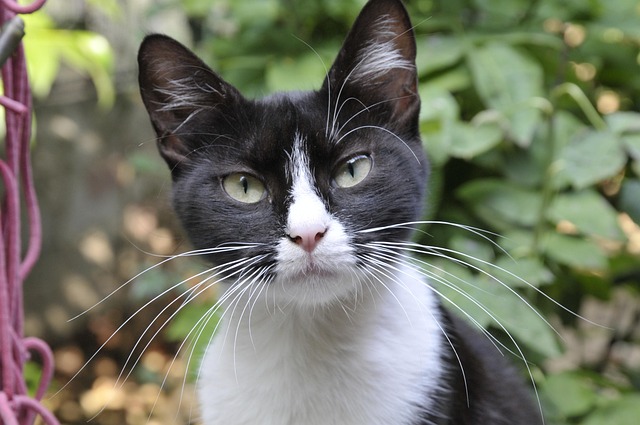
Tuxedo cats are not a breed, but a color pattern that shows up in many domestic cats. I usually explain this to new cat owners during grooming sessions because they often assume it is a specific breed. The pattern is mostly black with white markings on the chest, paws, and sometimes the face. One quiet afternoon grooming job reminded me that two cats from the same litter can look completely different, even when both are tuxedo-patterned.

Some tuxedo cats have a sharp, clean division between black and white, while others look more uneven with white patches spreading across the belly and legs. I once groomed a cat from a farmhouse where the owner joked that the cat looked like it had spilled milk on itself. That cat had asymmetrical markings that made it stand out compared to the more “classic suit-like” tuxedos I usually see. These variations are normal and come from how coat genes express themselves rather than any strict category.

The common types I notice are classic tuxedos, high white tuxedos, and masked tuxedos. Classic tuxedos have a neat black body with a white chest and paws. High white tuxedos show more white across the face and belly. Masked tuxedos have darker faces with smaller white accents, almost as if they were wearing a half-mask.

During grooming, I often point out that even slight differences can make the tuxedo pattern look more defined. A well-brushed coat shows a sharper contrast between black and white areas. Cats left unbrushed for long periods tend to have dull fur that hides their natural patterns. Regular care makes the tuxedo “suit” look more striking.

Where I usually encounter them

I meet tuxedo cats in a mix of households, from small apartments to larger rural homes where cats roam freely. One recurring pattern I’ve noticed is that they adapt easily to different environments, which is why they appear in so many places. I remember a customer last spring in a small town who had two tuxedo cats living mostly indoors but still behaving very differently in personality and grooming needs. I also guide owners toward trusted resources when they are unsure about health or coat issues, such as a local cat care clinic that offers basic checkups and advice for common grooming concerns.

Many tuxedo cats I handle come from rescue situations or street-adopted backgrounds. Their markings don’t change their adaptability, but their early environment often shapes how they respond to grooming. Some are calm and curious from day one, while others take time to trust handling tools like brushes and nail clippers. I always work slowly with new rescues because rushing them usually makes future grooming harder.

In my experience, tuxedo cats are among the most frequently adopted mixed-breed cats in this region. People tend to choose them because their pattern feels familiar and elegant. I’ve even seen children name them after formal clothing or movie characters. That connection often helps the cats get adopted faster compared to plain-colored cats.

Types of Tuxedo Cats

Behavior differences I notice

Over time, I’ve learned that coat pattern doesn’t control behavior, but I still see interesting patterns in how tuxedo cats act in different homes. Some are bold and curious, always inspecting my grooming bag before I even open it. Others stay cautious for the first few visits, observing quietly from a distance. I never assume personality based on appearance alone, but experience shows a wide range in behavior within this group.

One tuxedo cat I groom regularly is extremely vocal, especially when I start brushing near the tail. Another stays silent the entire session but follows me from room to room afterward, almost as if it were supervision. These small differences make each grooming visit feel new, even when the coat pattern is familiar. It keeps my work interesting because no two cats respond the same way.

I’ve also noticed that tuxedo cats often form strong bonds with one person in the household. That person becomes the “safe zone” during grooming visits, and I usually work near them first to keep the cat calm. Once trust is built, the grooming process becomes much smoother and faster. This pattern shows up more consistently with tuxedo cats than I initially expected when I started this work.

Care and grooming notes from my work

Tuxedo cats don’t require special grooming beyond standard cat care, but their contrasting coat makes dirt and matting more visible. I usually recommend brushing at least twice a week, especially for indoor cats. This keeps the black fur glossy and prevents white areas from looking dull or stained. A clean coat helps the tuxedo pattern stand out clearly.

Bathing is rarely needed unless the cat gets into something sticky or dirty. Most tuxedo cats I handle tolerate water better when introduced slowly over time. I always start with short sessions using damp cloths before moving to full baths if necessary. Sudden exposure often causes stress, making future grooming more difficult.

One practical habit I suggest to owners is to check the white chest area regularly, as it shows dirt more quickly than other parts of the coat. Even simple wiping can keep the cat looking fresh without full grooming sessions. I’ve seen how consistent small care steps reduce shedding issues over time. It also makes grooming visits quicker and less stressful for the cat.

Tuxedo cats may look like they are dressed for formal events, but in reality, they are just regular domestic cats with a striking coat pattern. Working with them day after day has shown me that their beauty comes from variation rather than uniformity. Each one carries its own mix of markings and personality, shaped more by environment than appearance. That combination keeps them memorable long after a grooming session ends.