Do Dogs Prefer Cooked or Raw Meat
Apr
Do Dogs Prefer Cooked or Raw Meat? What I’ve Seen Feeding Them Every Day

I run a small dog boarding and feeding setup on the edge of town, and I’ve handled hundreds of feeding routines over the years. Some owners bring neatly packed cooked meals, others show up with frozen raw portions in labeled bags. I’ve watched dogs react to both, day after day, meal after meal. The question of what dogs prefer is not as simple as people think, and the answer often changes depending on the dog standing in front of me.

What Dogs Actually Do When Given a Choice

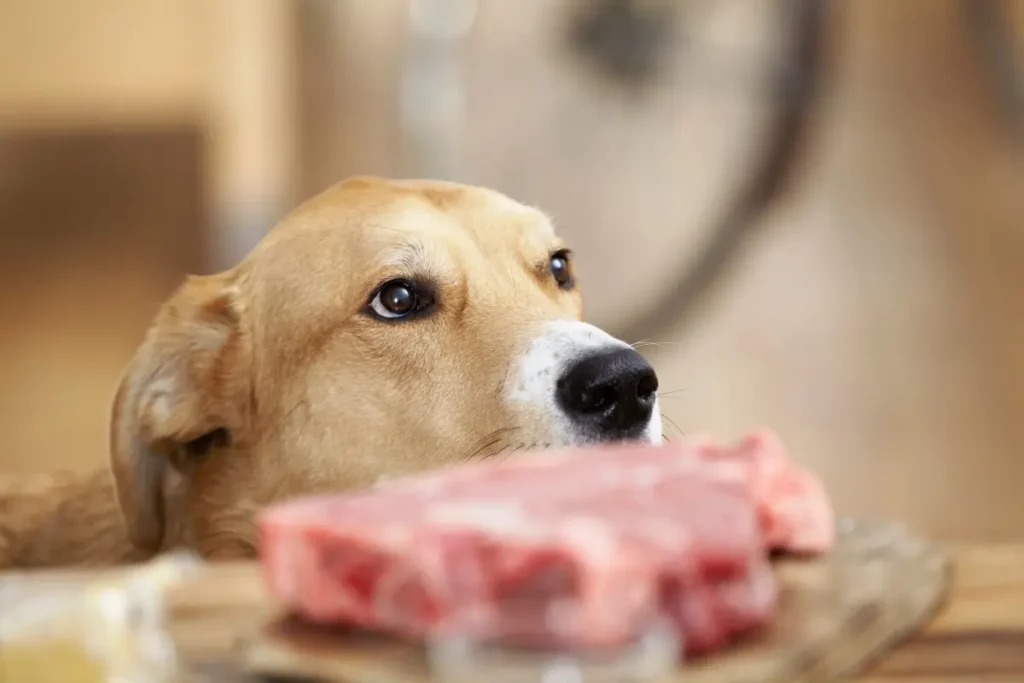
I’ve tested this more times than I can count, usually in a controlled way with dogs that are comfortable in my space. I place two bowls down, one with lightly cooked meat and one with raw chunks, and then I step back and watch. Most dogs go straight for the raw bowl first, especially if the meat has a strong smell like beef or lamb. It’s quick and instinctive.

That said, not all dogs behave the same way. Some hesitate, sniff both bowls, and pick the cooked option, especially if they’ve been raised on cooked food since puppyhood. Habits matter more than people expect. A dog that has eaten cooked chicken for three years doesn’t suddenly act like a wolf just because raw meat is present.

I’ve noticed that texture plays a big role. Raw meat has a different resistance, and dogs seem to enjoy tearing into it, even in small portions. Cooked meat is softer, easier to chew, and often swallowed faster. Some dogs eat cooked food so quickly that they barely taste it.

There’s also excitement involved. Raw meat smells stronger, and that smell triggers something. It’s not subtle. Even a quiet dog perks up when raw meat is in the room.

Why Owners Choose Cooked Meat Anyway

Preference and safety are two different conversations, and I’ve had this discussion with clients many times while planning feeding routines for longer stays. Last winter, one owner insisted on cooked meals after a bad experience with spoiled raw meat on a road trip. That kind of experience sticks with people.

For those researching feeding options, I’ve seen people browse sites like do dogs prefer cooked or raw meat to compare different approaches before deciding what works for their dog and their lifestyle. It makes sense because feeding isn’t just about what the dog wants; it’s about what the owner can consistently manage. Raw feeding requires storage, handling, and a bit of confidence.

Cooked meat feels safer to many owners, especially those with children in the house. I’ve had clients tell me they worry about bacteria on surfaces or cross-contamination in the kitchen. Cooking the meat gives them peace of mind, even if their dog might show more excitement for raw food.

There’s also digestion to consider. Some dogs have sensitive stomachs, and cooked food sits better with them. I’ve seen dogs that get loose stools from raw diets but stabilize quickly when switched to cooked meals. It’s not rare.
Do Dogs Prefer Cooked or Raw Meat

The Raw Feeding Experience From My Side

Handling raw meat for multiple dogs every day changes how you see it. It’s not glamorous. It’s a routine that needs attention, especially in warmer months, when meat can spoil quickly if left out for as little as 20 minutes. I keep everything chilled until the last possible moment.

Dogs on raw diets often have smaller, firmer stools. I noticed this early on, and many raw feeders mention it. The difference becomes obvious when you’re cleaning up after ten dogs in a row. It’s one of those practical details that doesn’t get talked about enough.

Energy levels can vary. Some dogs seem more alert and active on raw diets, but I’ve also seen dogs do just as well on balanced cooked meals. There’s no universal outcome. Each dog writes its own story.

One thing I cannot ignore is how focused dogs become during raw feeding time. They don’t wander. They don’t get distracted. The bowl is their entire world for those few minutes.

Cooked Meat Has Its Own Advantages

Cooked meat is easier to portion and mix with other foods, such as rice or vegetables. I’ve prepared meals with about 60 percent cooked chicken and 40 percent rice for older dogs who needed something gentle. That kind of flexibility helps a lot.

Some dogs simply prefer the taste of cooked food, especially if it’s seasoned lightly with dog-safe ingredients or mixed with broth. The smell is milder, but still appealing. I’ve seen picky eaters finally finish their bowls when switched to cooked meals.

Consistency is another benefit. Cooked meals tend to be more predictable for digestion. Owners who travel often or rely on multiple caregivers find cooked food easier to manage, as it reduces guesswork. Not everyone wants to deal with raw handling protocols.

And then there’s trust. Owners trust what they can see and understand. Cooking meat feels familiar, while raw feeding can feel like stepping into something uncertain.

So What Do Dogs Prefer in the End?

If I had to answer based purely on behavior, most dogs lean toward raw meat. The reaction is stronger, the interest is immediate, and the eating process looks more engaging. That instinct hasn’t disappeared.

But preference is shaped over time. A dog raised on cooked food may genuinely prefer it, not just tolerate it. I’ve seen that shift happen gradually, especially in households that stick to one method for years.

It’s also worth remembering that dogs don’t think in categories as humans do. They respond to smell, texture, and familiarity. Raw meat checks two of those boxes very strongly, while cooked meat often wins on familiarity.

In my daily routine, I don’t push one method on every dog. I watch how they eat, digest, and behave over a few days. That tells me more than any feeding philosophy ever could.

I still remember a quiet dog that arrived last summer, nervous and barely eating anything for the first day. We tried cooked food first, and he ignored it. The next morning, I offered a small portion of raw beef, and he ate without hesitation. That moment said enough. Every dog has its own answer.
A Lambkin Cat
Apr
The First Time I Worked With A Lambkin Cat In A Grooming Room

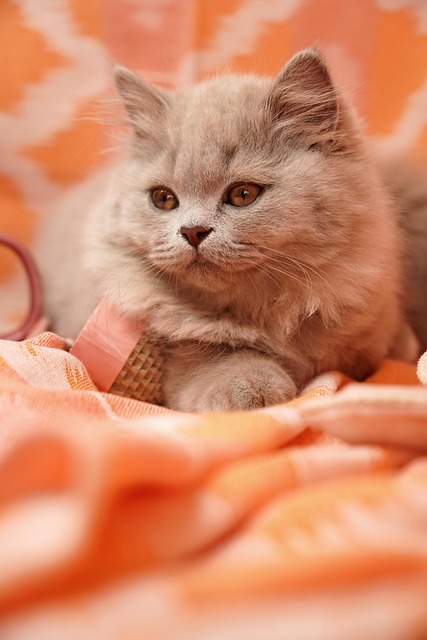
I first came across a lambkin cat while helping out in a small private grooming setup that occasionally handled rare and designer cat breeds. I had spent years working as a feline groomer and breeder assistant, mostly dealing with Persians, Scottish Folds, and mixed longhair cats, but the lambkin was different in a way that stood out immediately. Its coat was dense and curly, almost like a soft sponge that held onto every bit of air and movement in the room. I remember thinking this cat looked like it had been knitted by hand rather than born in the usual way.

The first time I handled a lambkin cat.

The lambkin cat is not a mainstream breed, and that was obvious the moment I held one for the first time. It has a dwarf-like body structure and a curled coat, developed through selective breeding of Munchkin and Selkirk Rex lines. In my hands, the cat felt surprisingly sturdy despite its small frame, and it moved with a slow, deliberate curiosity rather than nervous energy. I had handled many exotic mixes before, but this one felt unusually balanced in temperament.

What stood out most was how the coat behaved under light brushing. Instead of lying flat or tangling easily like some long-haired breeds, it bounced back slightly due to the curl pattern. A customer last spring brought in a young lambkin that had never been groomed professionally, and I could tell immediately that regular maintenance would matter more than occasional brushing. Their coat holds onto debris faster than people expect, especially around the legs and belly, where movement is constant.

Most lambkin cats I’ve worked with show a calm personality, though they can become stubborn if handling is rushed. I learned quickly that patience matters more than technique with this breed. They respond better when you work in short sessions instead of trying to finish everything at once.

Grooming routines I learned early.

Working with lambkin cats taught me that grooming routines have to be more structured than with standard short-haired breeds. Their curled coat does not mat as aggressively as Persian fur, but it can trap fine dust and loose hair in layers that are not immediately visible. I usually recommend gentle combing at least three to four times a week, depending on the cat’s activity level and home environment.

In one case, I had a client who struggled to maintain their lambkin’s coat because they underestimated how much indoor shedding can accumulate in a small apartment. I showed them a simple routine involving a soft metal comb, a light detangling spray, and short grooming intervals before feeding time. That small adjustment reduced matting issues within a few weeks and made the cat noticeably more comfortable during handling.

For owners who are unsure where to begin or need structured guidance, I often point them toward trusted feline care resources such as lambkin cat breeders. I have seen new owners benefit from learning about coat management expectations early, directly from experienced breeders or groomers, rather than relying on general cat care advice. It saves a lot of confusion later when the coat starts changing texture as the cat matures.

Bathing is another area where lambkin cats require moderation. I do not bathe them frequently unless necessary because over-washing can dry out their unique coat texture. Instead, I focus on spot cleaning and maintaining a stable brushing rhythm. This keeps their skin healthier and reduces stress during grooming sessions.

A Lambkin Cat

Health quirks and daily care

One thing I noticed early on with lambkin cats is that their structure requires careful monitoring, especially around joints and spine alignment. Since the breed involves dwarfism traits, their movement is slightly different from that of average domestic cats. They are active but tend to take shorter leaps and prefer grounded movement patterns.

I once worked with a lambkin that lived in a home full of high furniture and climbing spaces. The owner assumed the cat would behave like a typical agile domestic shorthair. After a few minor slips and hesitation during jumps, we adjusted the environment by adding low platforms and soft landing zones. The change made a visible difference in the cat’s confidence and daily activity.

Diet also plays a role in maintaining healthy joints and coat condition. I usually advise owners to avoid overfeeding, as weight gain can quickly stress their small frame. Balanced protein intake and controlled portions tend to work best. In my experience, even slight overfeeding shows up faster in lambkin cats than in standard breeds.

Another subtle issue I have observed is ear sensitivity due to folded or partially folded ear traits inherited from their lineage. Regular but gentle ear cleaning helps prevent buildup, especially in humid climates where moisture can linger longer than expected. I always remind owners to avoid aggressive cleaning tools and stick to soft, vet-approved solutions.

Living with a lambkin in a normal home

Living with a lambkin cat is not dramatically different from living with other affectionate indoor cats, but there are small adjustments that make the experience smoother. They tend to form strong bonds with one or two people in the household and often follow them quietly from room to room. I have seen this behavior in multiple homes, where the cat chooses a single favorite chair or window spot and returns to it consistently.

Noise levels in the home also matter more than people expect. Lamby cats do not usually react aggressively to sound, but they prefer predictable environments. Sudden loud changes can make them retreat for a while until they feel secure again. I noticed this during a visit to a home where construction work was happening next door, and the cat spent most of the day hidden under a couch blanket.

Playtime for lambkin cats should focus on controlled movement rather than high jumps. Wand toys, low rolling objects, and short interactive sessions tend to suit them best. They enjoy engagement but not excessive physical strain. Over time, I learned that reading their energy level is more important than following a fixed play schedule.

Despite their unusual appearance, lambkin cats adapt well to family environments when given proper structure and care. I have seen them thrive in small apartments as well as larger homes, as long as their grooming and comfort needs are not ignored. They are not fragile, but they are specific in what keeps them comfortable and balanced.

Every time I work with a lambkin cat, I am reminded that selective breeding can create something visually striking without removing the need for thoughtful care. Their charm lies not just in their appearance but in the steady, observant way they interact with their surroundings, and that is something I still find interesting even after years of handling different feline breeds.