Dogs and Their Sense of Taste
May
What I Notice About Dogs and Their Sense of Taste

I work as a veterinary assistant with a mobile pet clinic that travels through small towns around the Faisalabad region, and I get asked surprisingly often whether dogs actually have taste buds. The question usually comes up when owners see their dogs eating things that look unpleasant to us. Over the years, I have spent a lot of time observing feeding behavior during checkups and routine visits. What I have learned is that a dog’s sense of taste is real, but it does not work the same way ours does.

How a Dog’s Tongue Is Built for Taste

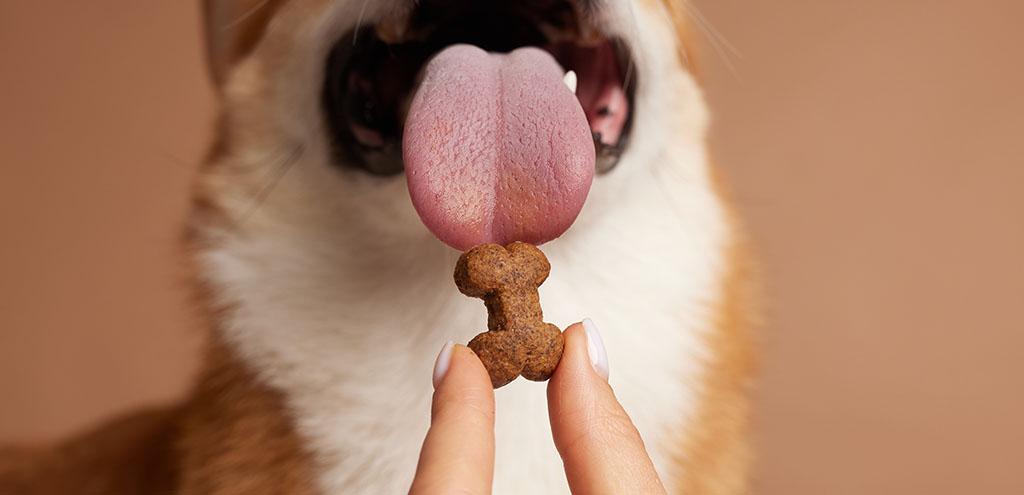
When I first started working with animals, I assumed that dogs reacted to smell more than to taste. After examining oral health during hundreds of checkups, I began to notice how their tongues are structured in a way that still supports real taste perception. Dogs do have taste buds, but fewer than humans, which changes how they experience food. I remember one Labrador that would reject bland kibble but eagerly accept slightly warmed meals with a stronger aroma.

During routine clinic visits, I have checked the mouths of dogs ranging from tiny terriers to large working breeds, and the pattern remains consistent. They rely heavily on smell, yet their tongues still detect basic taste categories such as sweet, sour, salty, and bitter. Sweet flavors tend to get the strongest reaction, especially in younger dogs. Bitter foods, even in small amounts, are often refused immediately.

One thing I explain to owners is that taste buds are not evenly distributed in dogs. They are mostly located toward the back and sides of the tongue, which affects how quickly a dog identifies flavor. A senior dog I treated last spring showed reduced interest in food until we adjusted the texture and warmth, which helped stimulate both smell and taste response. That small change made me realize how closely the senses work together.

The short answer I often give in clinics is simple. Yes, they do. But differently. This usually helps owners understand that taste is present but not dominant in decision-making. Dogs prioritize survival cues, and taste plays a supporting role rather than leading behavior.

What Taste Feels Like for a Dog in Real Life

During mobile clinic visits, I often observe dogs reacting to food before they even touch it. Their first response is usually smell, but taste quickly confirms or rejects what they are considering eating. This combination makes their feeding behavior more complex than it appears at first glance. I have seen dogs walk away from food they previously enjoyed just because the flavor profile changed slightly.

For owners trying to improve feeding habits, I sometimes suggest exploring nutritional options and behavioral guidance resources. In a few cases, I have referred people to local support options, and one helpful place I mentioned during a consultation was “Do Dogs Have Taste Buds?”, especially when discussing how environment and feeding routines can affect appetite. These discussions often help owners rethink how they present meals. Small adjustments can shift a dog’s interest more than people expect.

Not every dog reacts the same way to varying levels of flavor intensity. Working breeds like shepherds tend to be less picky, while smaller companion breeds sometimes show stronger preferences. I once treated a mixed-breed dog that would only eat food with a slightly meaty smell, refusing anything that felt too processed. That case reminded me how individual taste responses can be, even within the same species.

Over time, I have learned that a dog’s taste is closely tied to experience. Dogs exposed to varied diets often show more flexible eating habits. On the other hand, dogs raised on a single type of food can become selective when new flavors are introduced. This is something I see regularly during health checkups in rural households where diet variety is limited.
Dogs and Their Sense of Taste

Smell, Memory, and the Role of Taste

Many people assume taste alone drives a dog’s food choices, but in practice, it is more like a support system for smell and memory. When I handle cases involving picky eaters, I usually find that past feeding experiences shape current reactions. A dog that once got sick after eating something similar may refuse it even if the taste itself is acceptable.

I remember a middle-aged spaniel that refused wet food after a change in brand formulation. The owner thought it was just a taste preference, but the dog was reacting to subtle changes in scent and texture. Once we worked through the gradual mixing of old and new food, the dog adjusted. The taste buds were not the main issue, but they still played a part in the final acceptance.

Dogs also use taste as a safety filter. Bitter flavors often signal something harmful in nature, and even domestic dogs retain that instinct. I have seen this during field visits where dogs immediately reject certain plants or spoiled food without needing to sample much. That reaction is quick and consistent across breeds.

Understanding this mix of smell, memory, and taste helps me guide owners more effectively during consultations. Instead of focusing solely on flavor, I often suggest considering texture, temperature, and feeding routine. These factors, along with taste, shape how a dog experiences food on a daily basis.

What I Tell Owners After Years in the Field

After years of working in mobile veterinary care, I have stopped thinking of taste in dogs as a single sense that can be measured in isolation. It is part of a wider system that includes smell, behavior, and past experience. Every dog I meet teaches me a slightly different version of the same principle. No two feeding responses are exactly alike.

I often remind owners that dogs are not small humans with simplified tastes. Their system is built for survival, not culinary variety. That does not mean taste is weak or unimportant; it only means it works differently than people expect. Even a small change in food can create a noticeable reaction if the dog is sensitive enough.

Some cases stay in my memory longer than others. A young street rescue I treated initially refused most commercial food, but slowly adapted when we introduced simple, familiar flavors. That experience showed me how adaptable taste perception can be when given time and consistency. Progress was gradual, not immediate.

Dogs do have taste buds, and they do use them, but they never rely on them alone. Working in the field has shown me that understanding this balance helps owners care for their pets more thoughtfully. It is less about finding the perfect flavor and more about understanding how a dog interprets the world through multiple senses working together.
Dogs Stealing Potato Skins
May
Potato Skins from the Oven and My Experience with Dogs Stealing Them

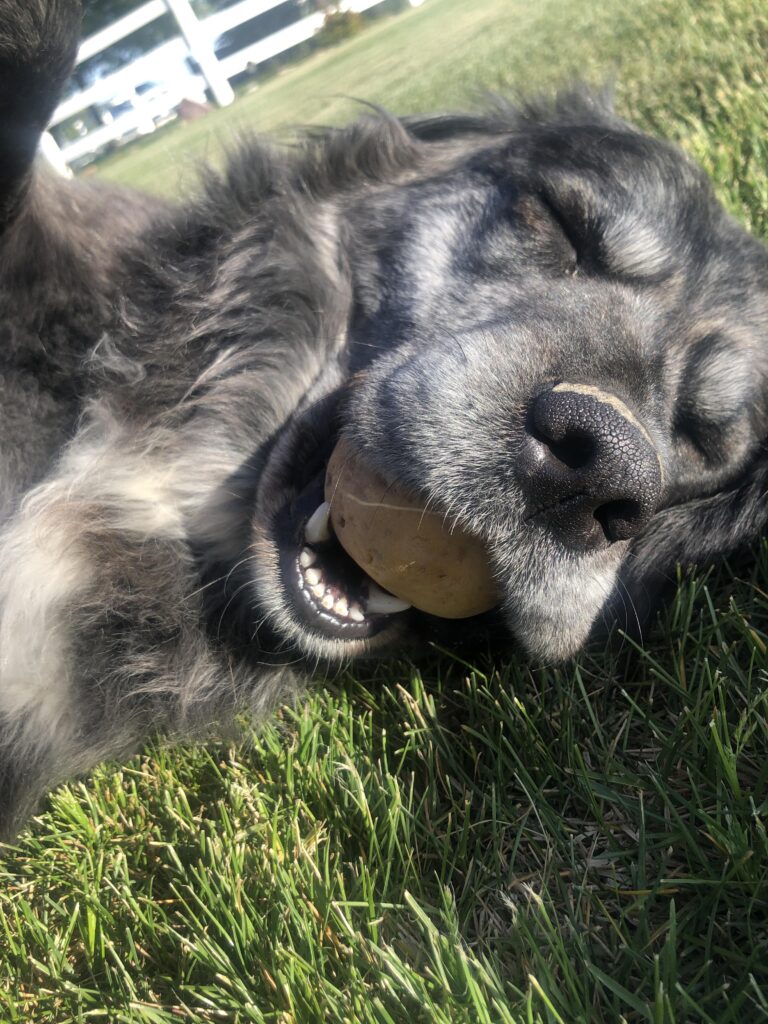
I work as a mobile dog groomer in rural Punjab, and I spend a lot of time inside people’s homes where dogs treat kitchen counters like their personal buffet. One thing I see more often than expected is baked potato skins left on plates after family dinners.

Owners sometimes ask me on the spot if their dog “just ate a few skins” is going to be fine, and that is usually where the real conversation starts. I have had enough of these moments to know there is no simple yes-or-no answer without context.

What I notice when dogs get into baked potato skins

Over the years, I have seen everything from calm curiosity to full-on stomach trouble after dogs get into leftover baked potato skins. Most of the dogs I deal with are mixed breeds kept in open courtyards, and they often get access to kitchen waste if someone forgets to secure it. A baked potato skin itself is not automatically toxic in small amounts, but how it is prepared and what is left on it matter a lot more than people expect. Salt, oil, butter, garlic, or spices can quickly turn a harmless scrap into something that upsets digestion.

I remember a customer last spring whose Labrador got into a tray of baked potatoes while the family was eating in another room. The dog was fine at first, just a little too happy with himself, but later showed mild vomiting and restlessness that lasted most of the night. Cases like that are not rare in my routine, and I usually advise owners to monitor hydration and behavior rather than panic immediately. The real concern is never just the potato skin itself but the extras that come with it.

From what I have seen, dogs with sensitive stomachs react more quickly than others, especially smaller breeds that cannot tolerate rich food even in small quantities. I always tell owners that consistency in diet matters more than people think, and one “harmless snack” can still trigger discomfort if the dog’s system is not used to it. I have also noticed that dogs that regularly scavenge outdoors tend to tolerate these incidents slightly better, though that does not make it a safe feeding practice. Potato skins baked with heavy seasoning are a different story entirely.

Risks I explain to owners before feeding scraps

When I talk to pet owners during grooming visits, I try to keep my explanations practical rather than alarmist. Baked potato skins are not poisonous on their own, but they are often a carrier for things dogs should not regularly consume, such as salt overload or oily residue from baking trays. I also point out that the texture can be a problem, especially if the skin is crisp and sharp enough to irritate a dog’s throat or stomach lining. That is usually where people start rethinking giving table scraps altogether.

In a few cases, I have referred owners to veterinary guidance on canine nutrition because they wanted a clearer breakdown of which human foods are truly safe for daily feeding. During one visit, a household in a nearby village was surprised to learn how even small seasoning differences can change how a dog’s digestive system reacts. We talked for nearly half an hour while I trimmed their Poodle, and the main takeaway for them was that “baked” does not automatically mean “safe.” The conversation helped them adjust how they handle leftovers, especially during family gatherings.

I have also seen confusion when people assume potato skins are as safe as plain boiled potatoes. The reality is that baked skins often absorb oil and spices, which can create unnecessary stress on a dog’s liver and stomach. I usually suggest observing the dog for 12 to 24 hours after accidental ingestion, especially if the amount was more than a small bite. Dogs rarely show immediate reactions, so delayed symptoms are something owners need to be aware of.

Dogs Stealing Potato Skins

How I manage potato-related incidents in real homes

In homes I visit regularly, I often suggest small changes that reduce the risk of food theft without making life more complicated. Keeping leftovers sealed and keeping baking trays out of reach make a big difference, especially in homes with active or young dogs. I have seen more than a dozen cases where simple kitchen habits prevented repeat incidents. Dogs are opportunistic, not strategic.

Most owners I work with are surprised by how quickly dogs learn where food scraps appear. I once worked with a household that had two energetic street-adopted dogs, and both developed a habit of waiting by the kitchen whenever potatoes were cooking. Over time, the family stopped leaving skins on plates and instead disposed of them immediately in covered bins. Small habit changes like that usually solve more problems than any training session I can suggest during grooming visits.

I also remind people that even though dogs may seem fine after eating baked potato skins once or twice, repetition is where issues can build up. Digestive stress does not always show dramatic symptoms right away, and mild discomfort can go unnoticed if the dog is otherwise active. In my experience, prevention is always less stressful than dealing with vomiting or diarrhea at midnight when clinics are far away. That is a lesson I have learned from being called out to homes more than I can count.

What I suggest is instead of sharing baked potato skins.

When owners ask me what they can safely do instead, I usually keep it simple and realistic. Plain, unseasoned boiled potatoes in very small amounts are generally less problematic than baked skins with oil or spices, but even that should not become a regular habit. Dogs do not need human food extras to stay healthy if their main diet is balanced. I have seen many cases where cutting out table scraps immediately improved digestion within a few weeks.

Some owners still choose to share small treats, and I do not completely discourage that as long as it stays controlled. The key difference is recognizing that baked potato skins are closer to a “maybe avoid” category than a safe treat. I often say it bluntly during grooming visits: Just because a dog wants it doesn’t mean it agrees with it later. That usually sticks better than long explanations.

One short observation I share often is simple. Dogs remember food. That is all. So if they successfully get baked potato skins once, they will try again, even if it caused discomfort earlier. Managing access is easier than correcting behavior after the habit forms, especially in busy households where multiple people feed the dog without coordination.

After years of working around dogs in real homes, I have learned that most food-related problems are not dramatic accidents but repeated small decisions that add up over time. Baked potato skins fall into that category more often than people expect, especially when they are seasoned or left within reach after meals. Keeping things simple in the kitchen usually keeps the dog healthier than trying to evaluate every leftover on the plate.

Ragdoll vs Maine Coon
May
Ragdoll vs Maine Coon: What I Notice After Years Working With Large House Cats

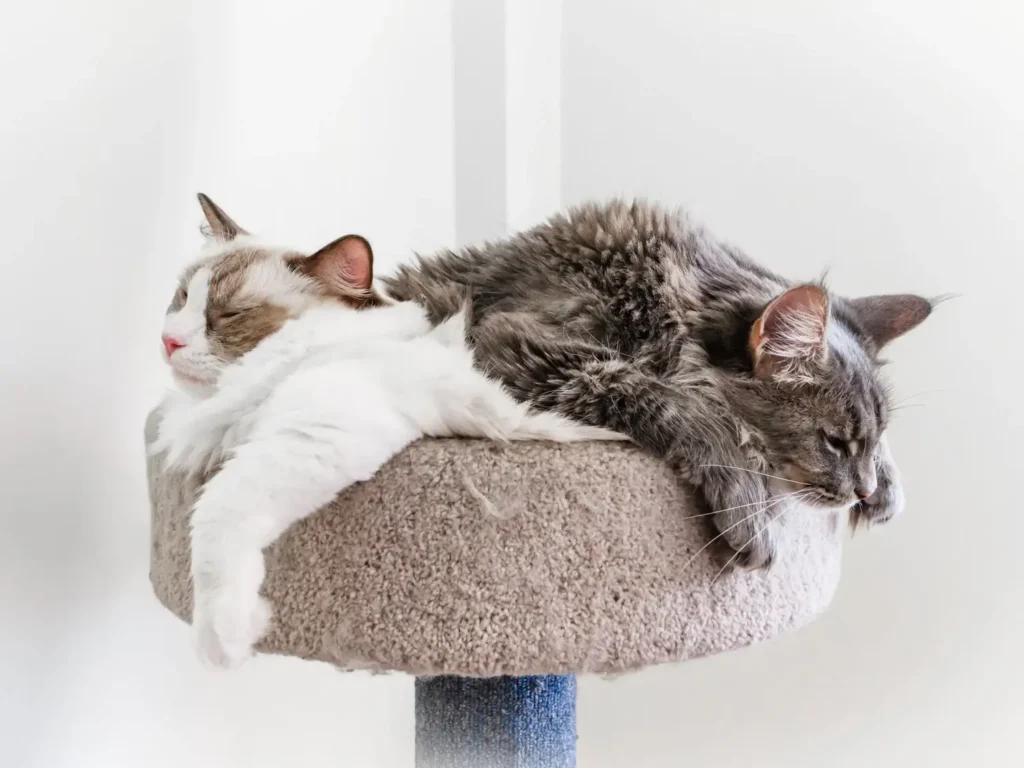
I work as a mobile cat groomer and behavior helper, traveling between homes where people struggle with long-haired breeds. Over the years, I have handled both Ragdolls and Maine Coons in real household settings, not just clinic environments. I see them during grooming sessions, shedding seasons, and those awkward moments when owners realize their “gentle giant” has opinions. The comparison between these two breeds comes up almost every week. My experience comes from brushing, bathing, and calming cats that weigh more than some small dogs.

First Impressions in a Home Setting

When I walk into a home with a Ragdoll, the first thing I notice is how quickly they soften toward strangers. They tend to relax on furniture as if they already owned the place, often stretching out in ways that make grooming easier than expected. A customer last spring had a Ragdoll that flopped onto my grooming mat within minutes, making the session unusually smooth. That kind of immediate trust is not universal, but I see it often enough with this breed to expect it.

Maine Coons enter the room differently. They observe first, sometimes from a higher surface, such as a stair railing or the back of a sofa. One cat I worked with in a quiet suburban home spent ten minutes just watching me unpack tools before deciding I was worth approaching. Once they decide you are safe, they are confident and curious, but they rarely rush into contact the way Ragdolls do.

Between the two, the contrast is less about friendliness and more about timing. Ragdolls offer trust quickly, while Maine Coons seem to build it step by step. I have seen families misread this difference and assume a cautious Maine Coon is unfriendly, when in reality, it is just their natural pacing. After a few visits, that hesitation usually fades into calm interaction.

Coat Work and Grooming Reality

Most of my practical comparison comes from grooming sessions, especially during shedding peaks in warmer months. Ragdolls have a silky coat that looks low-maintenance, but it still mats in hard-to-reach places like under the arms and around the collar. A grooming visit I handled for a small apartment cat showed how quickly those tangles can form when brushing is delayed even a few weeks.

Maine Coons bring a different challenge with their dense, layered fur. It is not just long, it has a protective undercoat that reacts strongly to seasonal changes. I remember one case where I spent nearly two hours carefully working through a winter coat that had started compacting near the hind legs. Their fur resists quick fixes, so patience matters more than tools.

Midway through grooming, I often recommend local support options for owners who struggle with maintenance schedules. One conversation with a couple in a townhouse led me to mention a nearby grooming service that handles heavy undercoat work when I cannot fit urgent bookings into my route. That kind of backup becomes important for Maine Coon owners, especially because skipping sessions creates more work later than most expect.

Ragdolls, while still fluffy, usually respond better to consistent light brushing. I have had sessions where ten minutes of gentle combing was enough to keep their coat manageable between visits. Maine Coons rarely allow that simplicity, not because they are difficult, but because their coat structure demands deeper attention. Both breeds reward routine, but they punish neglect differently.

Ragdoll vs Maine Coon

Temperament Around Handling and Stress

Handling Ragdolls feels almost like working with a cat that has accepted human contact as part of daily life. Many will go limp during grooming, which is where their name becomes obvious in practice. I have lifted them for nail trims while they remain completely relaxed, as if the process is just another nap interruption. That level of physical surrender is rare in most breeds I see.

Maine Coons are more active than passive. They stay alert during grooming but rarely panic unless something surprises them. I worked with a large male Maine Coon in a family home where the owner expected resistance, yet the cat only paused when the clippers changed sound. Once reassured, he continued calmly, but always with awareness of what I was doing.

Stress responses also differ in subtle ways. Ragdolls tend to withdraw quietly if overwhelmed, often retreating to a familiar spot without much drama. Maine Coons are more expressive, sometimes vocalizing or shifting position to signal discomfort. Neither reaction is better or worse, but they require different handling styles to keep sessions smooth and safe.

I have learned that rushing either breed creates setbacks. Ragdolls may tolerate it briefly but shut down afterward, while Maine Coons simply refuse cooperation until trust is re-established. Both demand patience, though they express that need in opposite ways. Over time, I adjust my pacing depending on which cat is sitting in front of me.

Living Space Behavior and Daily Habits

Ragdolls tend to prefer predictable environments. In many homes I visit, they settle into a single room and treat it as their base. A small family I worked with last year had a Ragdoll that rarely left the living room couch except for food and grooming breaks. That consistency makes them easier for owners who want a calm indoor companion.

Maine Coons behave more like explorers. They move between rooms, investigate shelves, and often choose elevated spots that give them a full view of the home. Their size does not slow them down, which surprises new owners who expect a heavier cat to be less active. Instead, they turn household space into a personal territory map they revisit throughout the day.

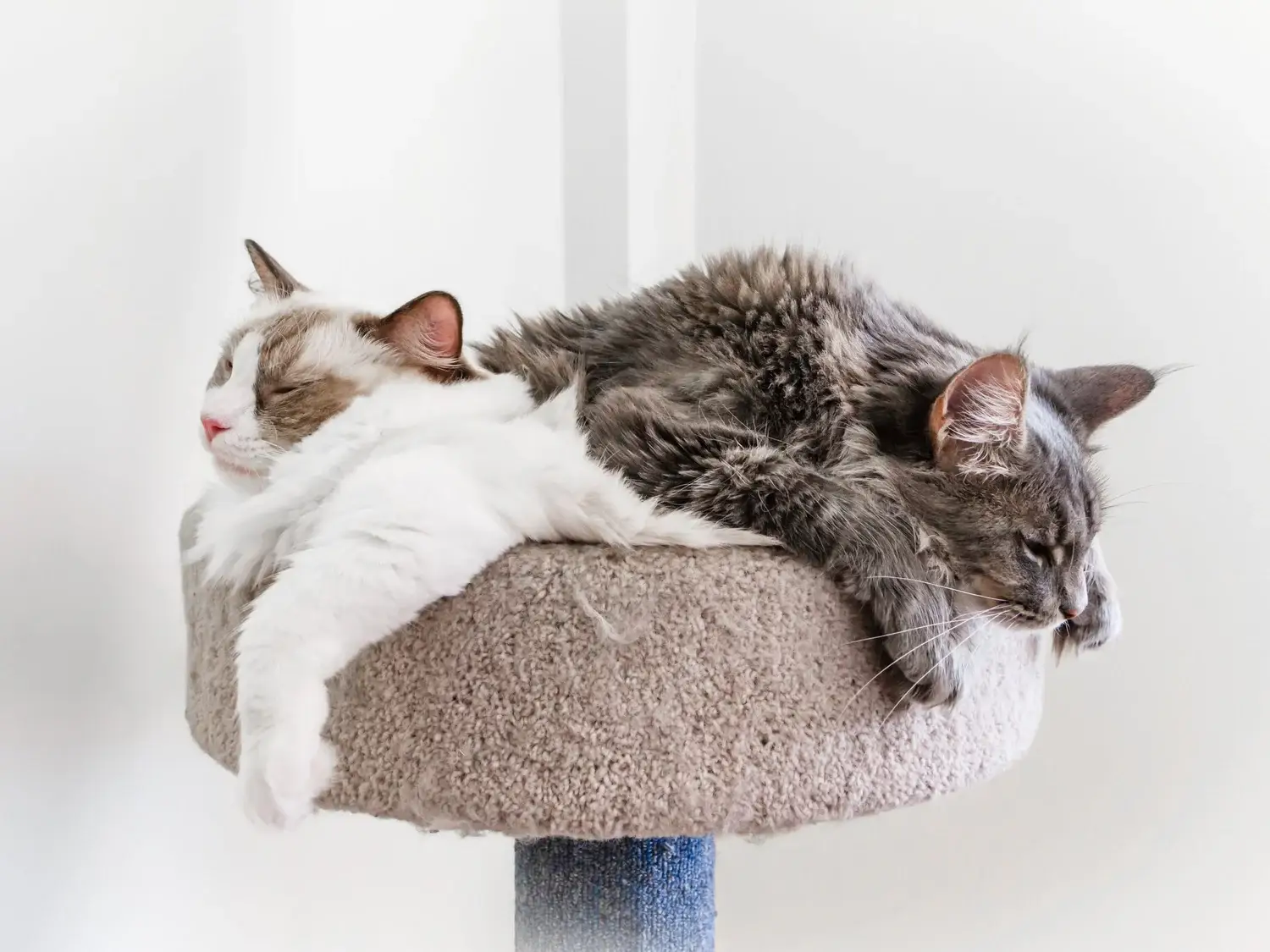
There are moments where their differences overlap. Both breeds enjoy human presence, and both can become deeply attached to their household routines. But I notice Ragdolls prioritize comfort while Maine Coons prioritize curiosity. That difference shapes how owners arrange furniture, feeding stations, and even play areas over time.

Noise levels also vary. Ragdolls are generally quieter, while Maine Coons use soft chirps and trills to communicate. I have had Maine Coons “talk” during grooming sessions in a way that feels conversational, especially when they want a break or a change in position. It is one of the more distinctive traits clients repeatedly mention.

By the end of a long grooming day, I can usually predict which breed I am about to meet just by observing their movement and posture before I even open my tools. That familiarity comes only from repetition, not theory. Working with both breeds side by side has shown me that they are equally affectionate in different behavioral languages, shaped more by personality than by appearance alone.

Keep Cats Away from Garden Roses
May
Tips to Keep Cats Away from Your Garden Roses

I work as a mobile veterinary technician in semi-rural Punjab, and I spend a lot of my days moving between homes where pets and gardens overlap in ways people don’t always expect. One question I hear more often than you’d think is whether cats can safely eat roses. It usually comes up after a pet owner catches their cat nibbling on a flower bed or batting at petals. The concern is understandable because anything decorative in a home garden feels harmless until a pet gets involved.

What I see when cats chew on garden roses

Most cats I encounter aren’t actually trying to eat roses in a meaningful way. They’re curious, and the texture of petals or leaves triggers that investigative behavior. In several homes I visited last spring, owners assumed their cats were “snacking,” but what I usually find is light chewing followed by immediate disinterest. Cats rarely treat roses as food, and that distinction matters more than people realize.

Roses themselves are generally not toxic to cats, which surprises many pet owners I talk to during home visits. That said, the situation is not entirely harmless, as the plant structure poses physical risks rather than chemical ones. A cat that bats at a rose bush can end up with scratches from thorns or irritation from plant sap on sensitive skin or paws. I’ve seen minor paw injuries from a curious cat that kept returning to a backyard rose corner despite repeated redirection.

One household I remember had a young indoor-outdoor cat that developed a habit of chewing flower petals during evening playtime. The owner thought it was hungry at first, but the cat was well-fed and simply stimulated by movement and color. After observing the cat for a week, I noticed it never actually swallowed much of the plant material, which is consistent with most cases I’ve seen. A brief redirect to safe chew toys resolved the issue without much stress.

How rose plants fit into pet-safe home environments

When I advise pet owners about garden safety, I often suggest pairing curiosity with control rather than trying to eliminate natural behavior. Many people search for plant safety information online or in local plant care guides, and I sometimes point them toward a general resource, such as rose care and pet safety guidance, that explains both horticulture and animal interaction in a practical way. The goal is not to discourage gardening but to reduce friction between pets and plants in shared spaces. Most problems I see are preventable with simple layout changes in the garden.

In practice, I encourage separating high-value ornamental plants from areas where cats frequently roam. A small change, such as raising pots or adding a border, can significantly reduce unwanted chewing. I’ve noticed that cats are far less interested in roses when alternative textures are available nearby, such as cat grass or soft indoor plants. This behavioral redirection is usually more effective than trying to physically block access alone.

Another detail that often gets overlooked is the role scent plays in attraction. Roses have a strong fragrance, and some cats react to it out of curiosity rather than hunger. I once visited a home where a cluster of heavily scented roses near a window kept drawing the same cat back again and again, despite mild deterrents. Once the plants were moved a few feet away, the behavior dropped noticeably within days.

Keep Cats Away from Garden Roses

The real risks I explain to pet owners

From a clinical perspective, the biggest concern with cats and roses is not poisoning but injury. Thorn punctures are more common than most people expect, especially in gardens where pruning has left sharp edges exposed. I have treated minor paw wounds resulting from exactly this kind of interaction, and they usually heal quickly but can become infected if left untreated. Even a small scratch can turn into a bigger issue if the cat keeps returning to the same plant.

Digestive upset is less common but still possible if a cat consumes a noticeable amount of petals or leaves. In most cases, I’ve seen only mild vomiting or temporary discomfort that resolves on its own. That said, repeated ingestion is a sign that something else is going on, such as boredom or a lack of indoor stimulation. Cats don’t naturally rely on flowers for nutrition, so repeated chewing usually points to behavioral factors rather than dietary need.

I also remind owners that pesticides or fertilizers used on ornamental roses can introduce a separate layer of risk. A cat may not react to the plant itself, but can be affected by chemicals left on the leaves or in the soil. In one case I handled, a cat developed mild lethargy after grooming its paws following time spent in a freshly treated garden bed. The exposure was not severe, but it was enough to reinforce the importance of indirect contact as much as the plant itself.

Simple observation goes a long way in these situations. If a cat shows repeated interest in roses, I suggest observing the timing, location, and context before reacting with punishment or removal. Cats usually respond to environmental adjustment faster than to correction. I’ve seen behavior shift in under a week just by changing garden access patterns and offering indoor enrichment alternatives.

How I guide owners toward safer garden habits

Over time, I’ve learned that most pet-related plant concerns come down to overlap rather than danger. Cats and roses can exist in the same space without major issues if the environment is arranged thoughtfully. I often suggest small adjustments, such as creating dedicated plant zones or installing barriers that don’t disrupt the garden’s visual appeal. These changes are usually enough to prevent repeated contact.

Another approach I recommend is providing indoor alternatives for chewing and exploration. A simple tray of cat grass placed near a window can redirect attention in a natural way. I’ve seen households where this one addition completely reduced interest in decorative plants outside. It works best when introduced early, before habits form strongly.

Sometimes owners expect a strict yes-or-no answer on whether cats can eat roses, but real life rarely works that cleanly. The plant itself is low-risk, yet the environment around it changes everything from safety to behavior. A calm, observant approach tends to produce better outcomes than strict separation alone. Cats are adaptable, and so are the spaces they live in.

After years of field visits and watching these small interactions unfold in different homes, I’ve come to see roses less as a hazard and more as a manageable part of a shared space. The key is noticing patterns early and making small adjustments before curiosity turns into habit. Most cats move on quickly when their environment gives them better options to explore.

Kitten Pacifier
May
Making A Simple Kitten Pacifier For Calming Young Cats

I work as a mobile cat groomer who has spent years handling anxious kittens in homes, shelters, and foster setups across small towns. One thing I learned early is that very young kittens often carry strong suckling instincts that do not just disappear after weaning. When they are stressed or separated from their mother too early, they seek comfort in repetitive mouth behaviors. That is where a soft, safe kitten pacifier idea began to make sense in my daily work.

Why kittens develop suckling habits

Most people assume kittens stop suckling once they start eating solid food, but I rarely see it that clean in real life. I have handled litters where, even at twelve weeks, a few kittens still tried to suckle blankets or fingers whenever they felt insecure. This is not hunger-driven behavior but comfort-seeking, and it can become stronger in new environments like adoption homes or shelters.

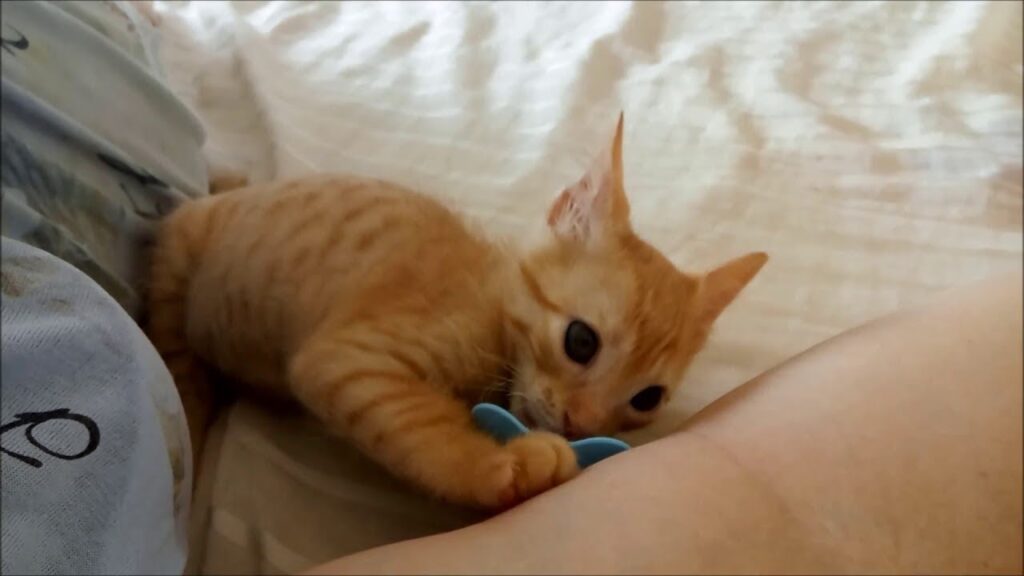
During one foster visit last spring, I noticed a tiny tabby repeatedly kneading and sucking on a towel whenever I stopped interacting with it. The foster caregiver was worried it meant something was wrong, but I explained it was a self-soothing pattern. I have seen this hundreds of times, and it usually spikes during transitions like rehoming or vet visits. A gentle replacement behavior can reduce stress without interrupting their natural instincts.

In my experience, kittens that lose early maternal contact often develop stronger oral fixation habits. Some grow out of it naturally, while others continue for months if nothing replaces the sensation. I keep my approach simple and avoid anything complicated or harsh. One small calming tool can make a noticeable difference.

Simple materials and making a kitten pacifier

When I first started experimenting with a kitten pacifier idea, I was working with a rescue group that had limited supplies and too many anxious kittens. We needed something soft, safe, and easy to replace if it got dirty. I tested a few basic setups using baby-safe silicone nipples, soft cloth wraps, and lightweight cotton string, all while keeping hygiene and safety as top priorities.

In one shelter session, I built a small pacifier-like soothing tool by attaching a sterilized silicone nipple to a soft cloth pad so the kitten could gently mouth it without biting anything harmful. The goal was not to replicate feeding but to create a calming oral object that mimicked comfort behavior. I usually tell caregivers to supervise closely during the first few uses, since every kitten reacts differently to texture and shape.

The process I follow is simple and careful. I choose a food-grade silicone nipple, attach it securely to a small fabric square, and make sure there are no loose threads that could be swallowed. I once worked with a kitten that managed to chew through weak stitching in under a minute, so I now double-check every seam before handing it over. It takes under ten minutes to assemble if everything is prepared.

I have also seen people try to improvise with bottle caps or rubber bits, but I avoid them completely because they can break or create sharp edges. A kitten pacifier should always feel soft and flexible in the mouth. There is no need to overthink it, and simpler designs tend to work better for most kittens I handle during grooming sessions.

Kitten Pacifier

Safety, timing, and proper use

Safety is the part I never compromise on, especially after seeing a few near misses in foster homes that tried DIY solutions without guidance. A kitten pacifier is not meant to be left with the animal unattended for long periods. I usually recommend short sessions of 5 to 10 minutes, with the kitten supervised by someone nearby.

I remember a case of a young Siamese kitten becoming overly attached to a fabric pacifier and trying to carry it everywhere. The caregiver started leaving it in the crate, creating a dependency rather than calming behavior. We adjusted the routine so the pacifier was introduced only during stressful moments, such as grooming or bedtime transitions, and the kitten gradually balanced its behavior.

It also matters how often you clean the pacifier. I have seen infections develop from fabric pieces that were reused too many times without being washed. Warm water and mild soap usually do the job, but I always air-dry everything fully before reuse. Hygiene is not optional in this kind of work, even if the setup looks simple.

Another thing I learned over time is that not every kitten needs this tool. Some respond better to warmth, gentle handling, or simply more playtime. I usually test for a response first and stop using the pacifier if the kitten shows no interest or no reduction in stress. That judgment call comes from experience rather than strict rules.

When it works and when to step back

There are cases where a kitten pacifier works surprisingly well, especially in newly separated litters or rescued strays adjusting to indoor life. I worked with a group of four siblings once, and two of them used it occasionally while the other two ignored it completely. That variation is normal and tells me a lot about temperament differences.

Sometimes the tool helps during grooming sessions, especially when I need a kitten to stay still for brushing or nail checks. I keep sessions short and never rely on it as the only calming method. One kitten I handled last winter used it briefly during brushing, then lost interest completely once it felt more secure in the environment. That is usually the best outcome.

There are also situations where I stop recommending it entirely. If a kitten shows obsessive chewing or increased agitation, I switch back to basic environmental calming measures, such as soft bedding and reduced stimulation. Not every calming idea scales well across different personalities, and I have learned to respect those limits over time.

In practical terms, the kitten pacifier is just one small tool in a larger care routine. It is not a fix for deeper behavioral issues, but it can smooth out early stress when used thoughtfully. Most of what I rely on in the field still comes down to observation and adjusting quickly based on how the kitten responds in the moment.

After years of handling anxious kittens in real homes and rescue setups, I have found that simple, soft solutions often work better than anything overly engineered. The goal is not to replace natural behavior but to give it a safe outlet during uncertain stages of growth.