Potato Skins from the Oven and My Experience with Dogs Stealing Them
I work as a mobile dog groomer in rural Punjab, and I spend a lot of time inside people’s homes where dogs treat kitchen counters like their personal buffet. One thing I see more often than expected is baked potato skins left on plates after family dinners.
Owners sometimes ask me on the spot if their dog “just ate a few skins” is going to be fine, and that is usually where the real conversation starts. I have had enough of these moments to know there is no simple yes-or-no answer without context.
What I notice when dogs get into baked potato skins
Over the years, I have seen everything from calm curiosity to full-on stomach trouble after dogs get into leftover baked potato skins. Most of the dogs I deal with are mixed breeds kept in open courtyards, and they often get access to kitchen waste if someone forgets to secure it. A baked potato skin itself is not automatically toxic in small amounts, but how it is prepared and what is left on it matter a lot more than people expect. Salt, oil, butter, garlic, or spices can quickly turn a harmless scrap into something that upsets digestion.
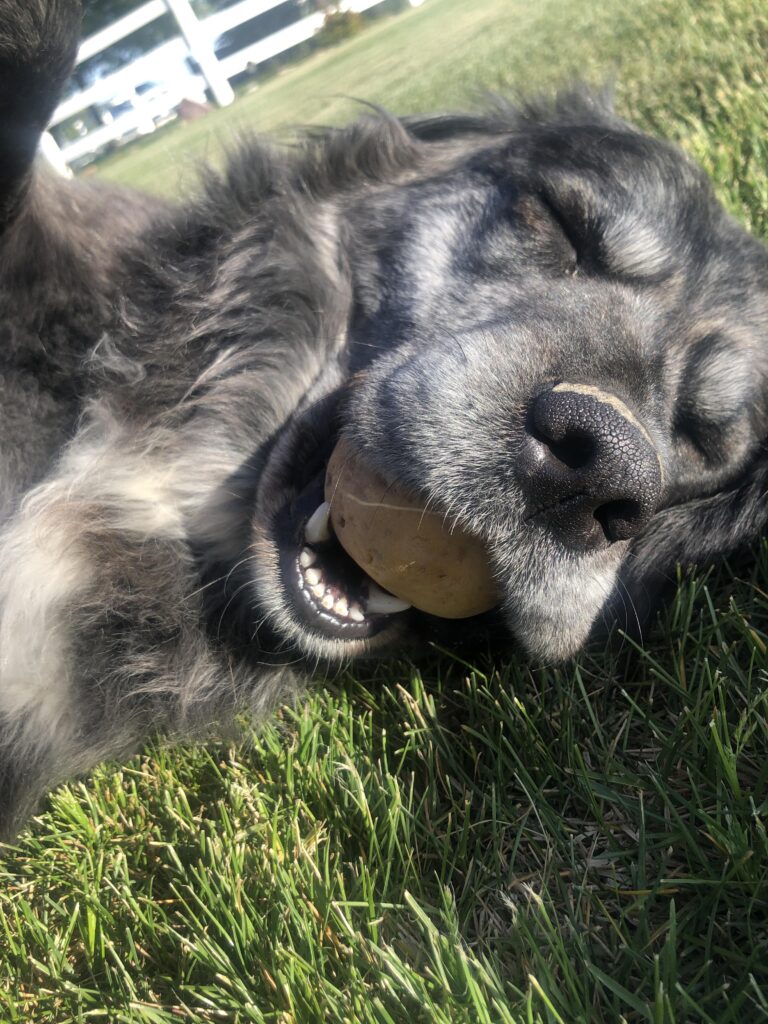
I remember a customer last spring whose Labrador got into a tray of baked potatoes while the family was eating in another room. The dog was fine at first, just a little too happy with himself, but later showed mild vomiting and restlessness that lasted most of the night. Cases like that are not rare in my routine, and I usually advise owners to monitor hydration and behavior rather than panic immediately. The real concern is never just the potato skin itself but the extras that come with it.
From what I have seen, dogs with sensitive stomachs react more quickly than others, especially smaller breeds that cannot tolerate rich food even in small quantities. I always tell owners that consistency in diet matters more than people think, and one “harmless snack” can still trigger discomfort if the dog’s system is not used to it. I have also noticed that dogs that regularly scavenge outdoors tend to tolerate these incidents slightly better, though that does not make it a safe feeding practice. Potato skins baked with heavy seasoning are a different story entirely.
Risks I explain to owners before feeding scraps
When I talk to pet owners during grooming visits, I try to keep my explanations practical rather than alarmist. Baked potato skins are not poisonous on their own, but they are often a carrier for things dogs should not regularly consume, such as salt overload or oily residue from baking trays. I also point out that the texture can be a problem, especially if the skin is crisp and sharp enough to irritate a dog’s throat or stomach lining. That is usually where people start rethinking giving table scraps altogether.
In a few cases, I have referred owners to veterinary guidance on canine nutrition because they wanted a clearer breakdown of which human foods are truly safe for daily feeding. During one visit, a household in a nearby village was surprised to learn how even small seasoning differences can change how a dog’s digestive system reacts. We talked for nearly half an hour while I trimmed their Poodle, and the main takeaway for them was that “baked” does not automatically mean “safe.” The conversation helped them adjust how they handle leftovers, especially during family gatherings.
I have also seen confusion when people assume potato skins are as safe as plain boiled potatoes. The reality is that baked skins often absorb oil and spices, which can create unnecessary stress on a dog’s liver and stomach. I usually suggest observing the dog for 12 to 24 hours after accidental ingestion, especially if the amount was more than a small bite. Dogs rarely show immediate reactions, so delayed symptoms are something owners need to be aware of.
How I manage potato-related incidents in real homes
In homes I visit regularly, I often suggest small changes that reduce the risk of food theft without making life more complicated. Keeping leftovers sealed and keeping baking trays out of reach make a big difference, especially in homes with active or young dogs. I have seen more than a dozen cases where simple kitchen habits prevented repeat incidents. Dogs are opportunistic, not strategic.
Most owners I work with are surprised by how quickly dogs learn where food scraps appear. I once worked with a household that had two energetic street-adopted dogs, and both developed a habit of waiting by the kitchen whenever potatoes were cooking. Over time, the family stopped leaving skins on plates and instead disposed of them immediately in covered bins. Small habit changes like that usually solve more problems than any training session I can suggest during grooming visits.
I also remind people that even though dogs may seem fine after eating baked potato skins once or twice, repetition is where issues can build up. Digestive stress does not always show dramatic symptoms right away, and mild discomfort can go unnoticed if the dog is otherwise active. In my experience, prevention is always less stressful than dealing with vomiting or diarrhea at midnight when clinics are far away. That is a lesson I have learned from being called out to homes more than I can count.
What I suggest is instead of sharing baked potato skins.
When owners ask me what they can safely do instead, I usually keep it simple and realistic. Plain, unseasoned boiled potatoes in very small amounts are generally less problematic than baked skins with oil or spices, but even that should not become a regular habit. Dogs do not need human food extras to stay healthy if their main diet is balanced. I have seen many cases where cutting out table scraps immediately improved digestion within a few weeks.
Some owners still choose to share small treats, and I do not completely discourage that as long as it stays controlled. The key difference is recognizing that baked potato skins are closer to a “maybe avoid” category than a safe treat. I often say it bluntly during grooming visits: Just because a dog wants it doesn’t mean it agrees with it later. That usually sticks better than long explanations.
One short observation I share often is simple. Dogs remember food. That is all. So if they successfully get baked potato skins once, they will try again, even if it caused discomfort earlier. Managing access is easier than correcting behavior after the habit forms, especially in busy households where multiple people feed the dog without coordination.
After years of working around dogs in real homes, I have learned that most food-related problems are not dramatic accidents but repeated small decisions that add up over time. Baked potato skins fall into that category more often than people expect, especially when they are seasoned or left within reach after meals. Keeping things simple in the kitchen usually keeps the dog healthier than trying to evaluate every leftover on the plate.