Making A Simple Kitten Pacifier For Calming Young Cats
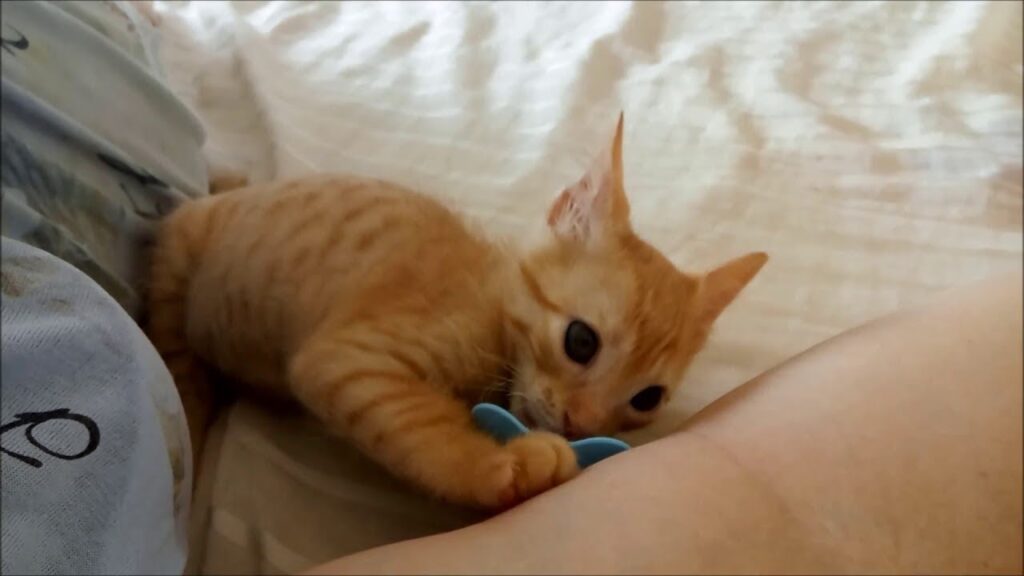
I work as a mobile cat groomer who has spent years handling anxious kittens in homes, shelters, and foster setups across small towns. One thing I learned early is that very young kittens often carry strong suckling instincts that do not just disappear after weaning. When they are stressed or separated from their mother too early, they seek comfort in repetitive mouth behaviors. That is where a soft, safe kitten pacifier idea began to make sense in my daily work.
Why kittens develop suckling habits
Most people assume kittens stop suckling once they start eating solid food, but I rarely see it that clean in real life. I have handled litters where, even at twelve weeks, a few kittens still tried to suckle blankets or fingers whenever they felt insecure. This is not hunger-driven behavior but comfort-seeking, and it can become stronger in new environments like adoption homes or shelters.
During one foster visit last spring, I noticed a tiny tabby repeatedly kneading and sucking on a towel whenever I stopped interacting with it. The foster caregiver was worried it meant something was wrong, but I explained it was a self-soothing pattern. I have seen this hundreds of times, and it usually spikes during transitions like rehoming or vet visits. A gentle replacement behavior can reduce stress without interrupting their natural instincts.
In my experience, kittens that lose early maternal contact often develop stronger oral fixation habits. Some grow out of it naturally, while others continue for months if nothing replaces the sensation. I keep my approach simple and avoid anything complicated or harsh. One small calming tool can make a noticeable difference.
Simple materials and making a kitten pacifier
When I first started experimenting with a kitten pacifier idea, I was working with a rescue group that had limited supplies and too many anxious kittens. We needed something soft, safe, and easy to replace if it got dirty. I tested a few basic setups using baby-safe silicone nipples, soft cloth wraps, and lightweight cotton string, all while keeping hygiene and safety as top priorities.
In one shelter session, I built a small pacifier-like soothing tool by attaching a sterilized silicone nipple to a soft cloth pad so the kitten could gently mouth it without biting anything harmful. The goal was not to replicate feeding but to create a calming oral object that mimicked comfort behavior. I usually tell caregivers to supervise closely during the first few uses, since every kitten reacts differently to texture and shape.
The process I follow is simple and careful. I choose a food-grade silicone nipple, attach it securely to a small fabric square, and make sure there are no loose threads that could be swallowed. I once worked with a kitten that managed to chew through weak stitching in under a minute, so I now double-check every seam before handing it over. It takes under ten minutes to assemble if everything is prepared.
I have also seen people try to improvise with bottle caps or rubber bits, but I avoid them completely because they can break or create sharp edges. A kitten pacifier should always feel soft and flexible in the mouth. There is no need to overthink it, and simpler designs tend to work better for most kittens I handle during grooming sessions.
Safety, timing, and proper use
Safety is the part I never compromise on, especially after seeing a few near misses in foster homes that tried DIY solutions without guidance. A kitten pacifier is not meant to be left with the animal unattended for long periods. I usually recommend short sessions of 5 to 10 minutes, with the kitten supervised by someone nearby.
I remember a case of a young Siamese kitten becoming overly attached to a fabric pacifier and trying to carry it everywhere. The caregiver started leaving it in the crate, creating a dependency rather than calming behavior. We adjusted the routine so the pacifier was introduced only during stressful moments, such as grooming or bedtime transitions, and the kitten gradually balanced its behavior.
It also matters how often you clean the pacifier. I have seen infections develop from fabric pieces that were reused too many times without being washed. Warm water and mild soap usually do the job, but I always air-dry everything fully before reuse. Hygiene is not optional in this kind of work, even if the setup looks simple.
Another thing I learned over time is that not every kitten needs this tool. Some respond better to warmth, gentle handling, or simply more playtime. I usually test for a response first and stop using the pacifier if the kitten shows no interest or no reduction in stress. That judgment call comes from experience rather than strict rules.
When it works and when to step back
There are cases where a kitten pacifier works surprisingly well, especially in newly separated litters or rescued strays adjusting to indoor life. I worked with a group of four siblings once, and two of them used it occasionally while the other two ignored it completely. That variation is normal and tells me a lot about temperament differences.
Sometimes the tool helps during grooming sessions, especially when I need a kitten to stay still for brushing or nail checks. I keep sessions short and never rely on it as the only calming method. One kitten I handled last winter used it briefly during brushing, then lost interest completely once it felt more secure in the environment. That is usually the best outcome.
There are also situations where I stop recommending it entirely. If a kitten shows obsessive chewing or increased agitation, I switch back to basic environmental calming measures, such as soft bedding and reduced stimulation. Not every calming idea scales well across different personalities, and I have learned to respect those limits over time.
In practical terms, the kitten pacifier is just one small tool in a larger care routine. It is not a fix for deeper behavioral issues, but it can smooth out early stress when used thoughtfully. Most of what I rely on in the field still comes down to observation and adjusting quickly based on how the kitten responds in the moment.
After years of handling anxious kittens in real homes and rescue setups, I have found that simple, soft solutions often work better than anything overly engineered. The goal is not to replace natural behavior but to give it a safe outlet during uncertain stages of growth.