Why Is My Dog’s Eye Goopy, and Should I Worry
I run a small home-based dog boarding service, and one of the first things I check during intake is a dog’s eye condition. Goopy eyes are more common than people expect. Sometimes it is harmless and clears with a quick wipe. Other times, it signals something deeper that needs attention. I have learned to tell the difference by watching patterns over time.
The Common Reasons I See Every Week
The most common cause I see is simple tear buildup. Dogs produce tears just like we do, and those tears can dry into a sticky discharge near the corners of the eyes. I probably wipe away minor eye gunk from at least three dogs on any given busy weekend. It is usually soft, pale, and easy to clean.
Allergies come up a lot as well. Dust, pollen, or even a new cleaning product can trigger watery eyes that turn into goop over a few hours. I remember a spaniel that stayed with me for five days and developed mild discharge after playing outside every afternoon. Once the exposure stopped, the problem faded.
Hair irritation is another one that people miss. Dogs with long facial hair often have strands brushing against their eyes, which leads to constant watering. I have trimmed eye-area fur for more than 20 dogs over the past year just to reduce that irritation. It does not fix everything, but it helps.
When It Starts Looking Like More Than Just Dirt
Not all eye discharge is equal. Color and texture matter. Thick, yellow, or green discharge usually points toward an infection rather than simple tearing, and I treat that as a red flag every time I see it.
If I am unsure, I sometimes cross-check symptoms with reliable sources or even suggest that owners review something like “why is my dog’s eye goopy” to get a clearer idea of what might be going on before deciding on the next step. That extra bit of context helps people avoid guessing. It also prevents delays in getting proper care.
One case last winter stuck with me. A bulldog came in with heavy, sticky discharge in one eye, and within a day, the eye looked slightly swollen. That was not something I tried to manage on my own. The owner took him to a vet, and it turned out to be an infection that needed medication.
Sometimes it is not an infection but a blocked tear duct. I have seen this more often in smaller breeds, especially those with flat faces. The tears have nowhere to drain, so they collect, creating a constant wetness that builds. It can look messy, but it is different from an infection if there is no redness or pain.
How I Handle It Day to Day
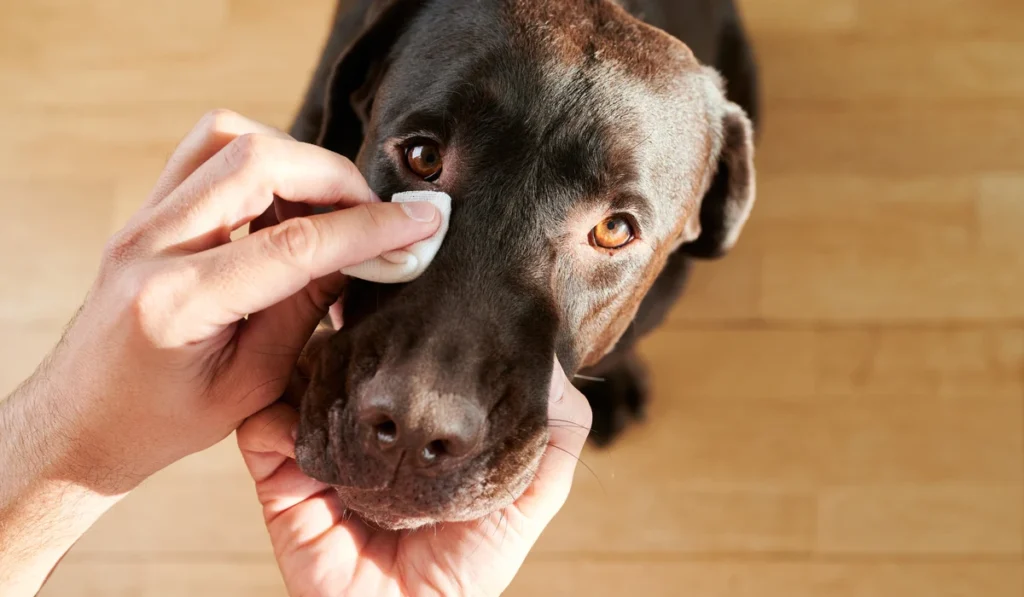
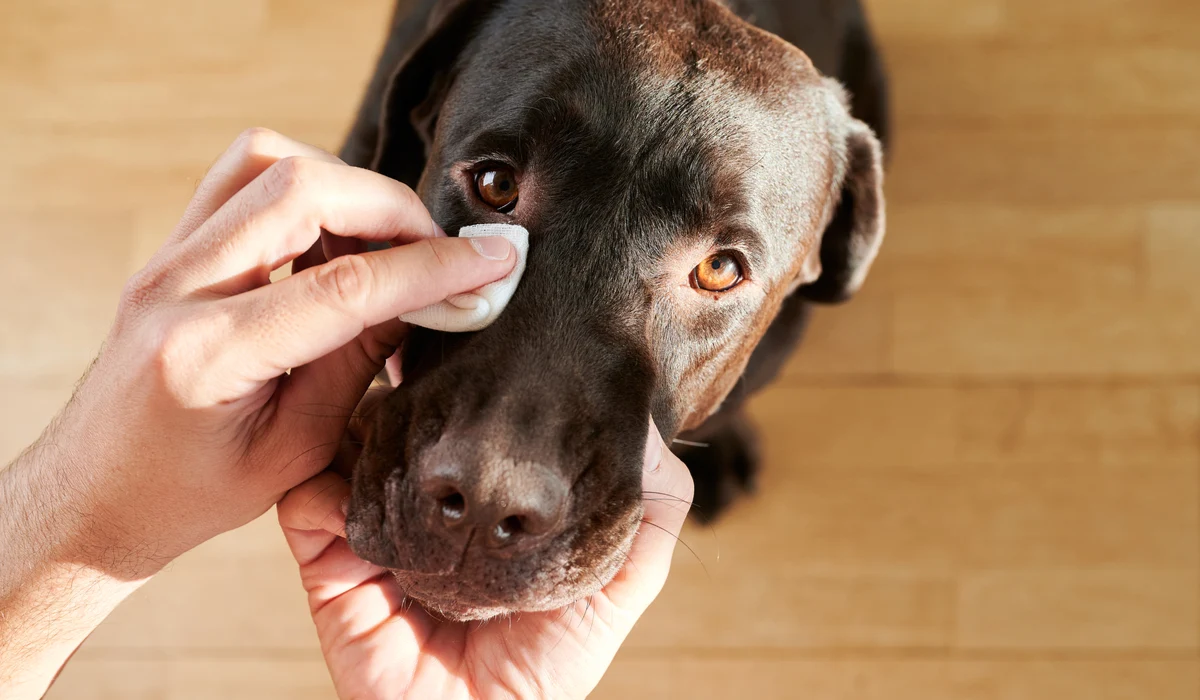
I keep things simple unless there is a clear sign of trouble. A clean, damp cloth is usually enough for mild discharge. I gently wipe from the inner corner outward, and I always use a fresh section of cloth for each eye. Cross-contamination is real.
Routine matters. Some dogs need their eyes cleaned morning and evening, which quickly adds up, but keeps things under control without going beyond simple cleaning.
I avoid using random solutions or drops unless a vet has recommended them. I have seen owners try home remedies that ended up irritating the eye even more. Plain cleaning is often safer than experimenting.
Here is the quick check I run in my head before deciding what to do:
– Is the discharge clear or colored
– Is the eye red or swollen
– Is the dog rubbing or pawing at it
– Has this been happening for more than two days
If two or more of those raise concern, I suggest a vet visit. It keeps things from getting worse.
Situations That Need Immediate Attention
Some signs are hard to ignore. If a dog is squinting, avoiding light, or keeping one eye closed, I do not wait. That usually points to pain or irritation that goes beyond surface-level issues.
I once had a young mixed breed who started pawing at his eye repeatedly within a few hours of arrival. By evening, the eye was red and heavily tearing. The owner picked him up early, and it turned out there was a small scratch on the eye surface. That kind of injury needs quick care.
Sudden changes worry me more than slow ones. A dog with mild tear stains for months is less concerning than one that develops thick discharge overnight. Speed matters here. Fast changes often mean something new is happening.
Odor is another clue. Normal tear buildup doesn’t smell much, but infected discharge can have a noticeable scent. It is subtle, but once you recognize it, you do not forget.
What Owners Can Do Without Overthinking It
Most cases do not require panic. Many dogs will have minor eye discharge at some point, especially after sleep or outdoor play. I tell owners to observe first, rather than react immediately.
Keep the area clean. Trim hair if needed. Watch for patterns. Those three habits cover more ground than people expect. I have seen small issues stay small simply because someone paid attention early.
Diet sometimes comes up in conversations, though the connection is not always clear. Some owners swear that switching to a different food reduced tear staining. I have seen mixed results, so I treat that as a possible factor rather than a guaranteed fix.
Consistency beats overreaction. That is the approach I stick with. A calm routine often tells you more than a rushed decision.
I used to overlook mild eye discharge early in my work. Now, I see it as a signal: most of the time it’s simple, but it’s important to act before it becomes serious.