My Experience Handling Questions About the Ashera Cat
I run a small in-home cat boarding service and have worked with hundreds of cats, from street rescues to rare imported breeds. The Ashera cat often comes up in conversation, mixing curiosity and confusion. The first time a client mentioned it, asking if I had space for a cat said to be part wild and part domestic, I dug deeper to learn what the Ashera really is and what people believe about it.
What People Think the Ashera Cat Is
Most clients who mention the Ashera describe it as a luxury breed, rare and exotic, priced higher than almost any other cat. I have heard numbers like twenty thousand dollars, sometimes even more, depending on the source and the story behind the animal. The idea is that it is a hybrid, often said to mix domestic cats with wild species like servals or Asian leopard cats. That alone is enough to get people excited, especially those who want a cat that feels unique.
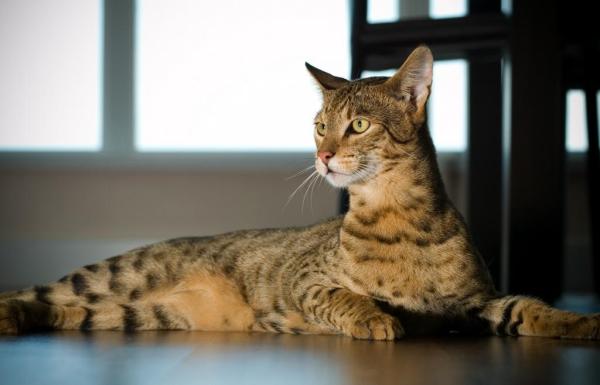
Many owners expect these cats to act like a mix of house pet and small wild animal. Some believe they’ll be smarter or more loyal than other breeds. Others want a striking cat—bold spots, long legs, and a bigger frame. In reality, expectations often outpace what these cats deliver at home.
There is a lot of marketing behind the name. I have had at least five clients ask me to confirm whether their cat was truly an Ashera, and every time, I had to explain that verifying such a claim is not straightforward. Many of those cats looked very similar to Savannah cats, which are a recognized hybrid breed with a clearer history and breeding record.
What I Have Actually Seen in Real Homes
I haven’t handled a confirmed Ashera, but I’ve boarded several high-generation Savannah cats, sometimes described as close relatives or the same under a new name. Their behavior is revealing: these cats are active. They climb, open cabinets, and need more stimulation than typical indoor cats.
One owner I worked with last summer insisted her cat came from a rare line and sent me to a breeder page similar to the Ashera Cat page to better understand the lineage claims. I spent some time reviewing those materials and comparing them with what I saw in her cat day to day. The animal behaved like a typical high-energy hybrid, not like something entirely separate or mysterious.
These cats bond strongly with owners but are not always cuddly or calm. I had one that paced for an hour before settling, unlike most calmer breeds. They are striking but not low-maintenance.
The Controversy Around the Ashera Name
The Ashera cat has been the subject of debate for years, and I have had to explain this to clients more times than I can count. Some sources claim it is a distinct breed, while others argue it is essentially a rebranded Savannah cat sold at a higher price point. That confusion creates unrealistic expectations for buyers who think they are getting something entirely new.
I once had a client who paid a very high amount for what she believed was an Ashera, only to later learn from a vet that the cat’s traits matched a standard Savannah profile. That was a tough conversation. She was not upset with the cat, but she felt misled about what she had purchased.
From my perspective, the label matters less than the cat’s actual care needs. These animals require space, enrichment, and a patient owner who understands hybrid behavior. Whether someone calls it an Ashera or a Savannah does not change how the cat climbs curtains or demands attention at odd hours.
Living With a Cat Like This
Daily life with a large hybrid-style cat is different from living with a typical house cat. I always tell clients to prepare for more interaction, more supervision, and a bit more chaos. One cat I boarded knocked over a tall plant stand within the first two hours of arrival. That kind of energy is common.
They need structure. I usually recommend at least two dedicated play sessions per day, each around 15 minutes, to burn off energy and reduce destructive behavior. Without that outlet, they will create their own activities, which often involve your furniture.
These cats also tend to be more curious about water, doors, and high spaces. I have seen someone open a sliding door by repeatedly jumping and pushing at the handle. That level of persistence can be charming, but it can also become exhausting if the home is not set up properly.
Is the Ashera Worth the Hype
In my experience, the hype around the Ashera often overshadows the reality of living with a high-energy hybrid cat. People focus on price and rarity, but they often do not consider the daily commitment required. These cats are not ornaments. They demand attention and engagement.
Some owners love the experience and wouldn’t trade it for anything. Others feel overwhelmed within months. Preparation and expectations, not the cat, usually make the difference.
If someone is drawn to the look and personality, I usually suggest they spend time with a Savannah cat first. That gives a realistic sense of what life will be like. It is better to understand the behavior up front than to rely on marketing claims or online descriptions. I still remember that first conversation about the Ashera. It sounded almost mythical at the time. After years of working with similar cats, I see it less as a mystery and more as a reminder that names can shape expectations more than reality ever will.
For anyone considering a cat like this, it is important to focus on the real-life care, energy, and commitment involved, rather than being swayed by marketing or names. In the end, understanding what these cats really need is what matters most, both for the owner and the animal.