Are Himalayan Cats Hypoallergenic in Real Homes
I work as a mobile cat groomer based in a humid coastal area in Florida, and I spend most of my weeks moving between homes where people are trying to manage pet allergies without giving up on their cats. Himalayan cats come up a lot in my appointments because they look gentle, calm, and people assume their long coats make them safer for allergy sufferers. I’ve worked closely with dozens of them in real grooming setups, not just quick shelter visits. Over time, I’ve seen a pattern that challenges the idea of hypoallergenic cats more than it supports it.
What I notice about grooming Himalayan cats
When I first started working with Himalayan cats, I assumed their thick coats might trap allergens and reduce airborne spread. That assumption didn’t hold up in real homes where I had to brush, bathe, and dry them on a regular schedule. Their fur traps a surprising amount of dander close to the skin, and when I brush them, fine particles quickly release into the air. I’ve had clients say they felt fine around their cat most of the week, but symptoms flared right after grooming sessions.
Himalayan cats are calm during grooming, which makes handling easier compared to many high-energy breeds I deal with on house calls. I still take extra care with ventilation because loose hair and dander can linger in small rooms for hours. A Himalayan’s coat requires consistent maintenance, and without it, shedding builds up in layers that are easy to disturb. One customer last spring told me she thought weekly brushing would be enough, but she started noticing sneezing episodes whenever she cleaned the sofa.
Most people expect long-haired cats to behave differently when it comes to allergens, but I’ve found that coat length has little to do with allergen production. The real trigger is a protein in saliva and skin oils that spreads when cats groom themselves. Himalayans are especially prone to self-grooming due to their dense fur, which increases exposure in enclosed spaces. I’ve seen allergy symptoms persist even when owners vacuum daily and use air filters.
Allergy expectations vs reality
Many of my clients seek reassurance before adopting a Himalayan, and they often ask whether I’ve worked with “hypoallergenic breeds” in general. I explain that no cat is truly hypoallergenic, though some produce fewer allergens than others. During a consultation, I sometimes suggest they speak with a veterinary allergy specialist before making a decision, and I’ve seen people get helpful guidance from veterinary allergy support service providers who understand both human reactions and feline care. These discussions usually help set more realistic expectations before the cat even comes home.
I’ve noticed that reactions vary more from person to person than from cat to cat, which surprises many first-time owners. One household I worked with had two people who barely reacted, while a third family member needed medication after short exposure. Even within the same room, sensitivity levels can shift depending on airflow, cleaning habits, and how often the cat is brushed. It is rarely a simple yes-or-no situation.
There is also a misconception that “clean” homes eliminate allergy problems completely, but that is not how cat allergens behave. They cling to fabric, float in the air, and settle into corners that are rarely cleaned deeply. I returned home months later and still detected mild reactions from previous grooming visits. This is why I always advise owners to think in terms of management rather than elimination.
Why Himalayan coats don’t reduce allergens
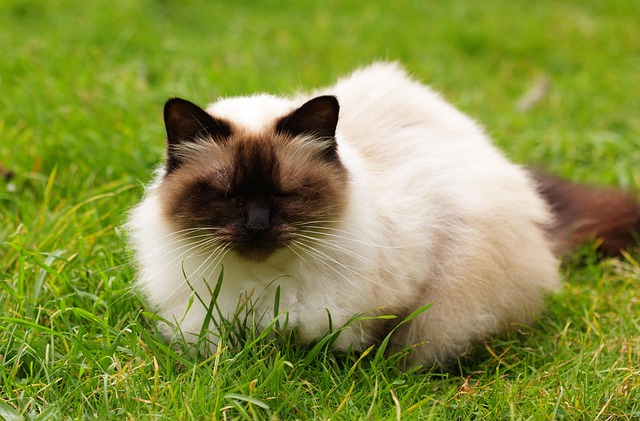
The Himalayan cat’s long coat often gives the impression of protection, almost like a filter, but the biology works differently. Allergens mainly come from saliva, not just fur, and cats spread them every time they groom. Himalayans are meticulous groomers, which means more saliva transfer across their dense coat. That coat then acts like a carrier, not a shield.
Another factor I’ve seen repeatedly is how easily their fur mats if not brushed several times a week. Mats trap shed hair and dander, and when they are finally brushed out, a noticeable burst of particles enters the air. I once worked with a household where grooming had been delayed for nearly two weeks, and the difference in airborne irritation was obvious within minutes of starting. Small environments amplify this effect.
Even grooming tools matter more than people expect. I always use sealed grooming setups in my mobile van to limit airborne spread during brushing sessions. The difference between controlled grooming and open-home grooming can be significant for sensitive individuals. This is why Himalayans require more consistent maintenance than many people initially assume when choosing them as pets.
Living with a Himalayan cat and reducing reactions
Living with a Himalayan cat while managing allergies is possible, but it requires routine adjustments rather than expecting a hypoallergenic outcome. Regular brushing is the first step I recommend, ideally several times a week, to prevent buildup. Bathing helps reduce surface allergens, though not everyone enjoys doing it frequently. I’ve seen families settle into a rhythm where one person handles grooming while another manages cleaning tasks in the home.
Air circulation also plays a major role in controlling reactions. In homes with better airflow, symptoms tend to be less intense even when grooming routines stay the same. I often advise clients to keep fabric-heavy areas like cushions and throws washable and to avoid letting the cat sleep on pillows. These small changes make a noticeable difference over time, especially in smaller apartments where allergens accumulate more quickly.
Diet and general health also influence coat condition, which, in turn, indirectly affects the spread of allergens. A well-fed Himalayan with healthy skin tends to shed less unevenly, which reduces sudden bursts of dander. I’ve seen improvement in households that improved grooming consistency and diet at the same time. Still, even with all these measures, no Himalayan becomes completely non-allergenic in my experience.
From what I’ve observed in real homes, expectations shape satisfaction more than anything else. People who adopt knowing there will be ongoing management tend to adjust better than those expecting a hypoallergenic pet. Himalayan cats are affectionate, calm, and visually striking, but they still carry the same biological triggers as other cats. That reality becomes easier to accept once daily routines are established and understood early.