Famous Black Cats I’ve Worked With and Why They Stay in Memory
I work as a cat behavior consultant for animal shelters and foster programs, mostly helping overlooked cats adjust to new environments. Over the years, I’ve spent time with dozens of black cats that people later called “famous” in their own small circles, whether online adoption posts or neighborhood stories. I never set out to study fame in animals, but black cats tend to gather attention in ways other cats don’t. Some are adopted quickly, others sit in shelters longer than they should.
How black cats gain attention in shelters and online spaces
In shelters where I’ve worked, black cats often end up in the middle of adoption campaigns because they photograph differently under harsh lighting. I remember a small municipal shelter that had around forty cats at any given time, and nearly a quarter of them were black-coated. Staff would sometimes joke that they disappeared in photos unless you knew how to angle the camera just right. That alone has made some of them unexpectedly “famous” on adoption pages.
There was a younger black cat I worked with during a volunteer stint who became locally known after a short video of her playing with a shoelace went around community pages. She wasn’t doing anything special, just reacting to movement in a quiet room, but people shared it repeatedly. I once suggested to a volunteer group that better lighting and background contrast could change adoption rates for cats like her. During that project, I also coordinated with a small rescue group that used a black cat adoption support service to help improve visibility for harder-to-photograph animals. The difference in adoption inquiries within a couple of weeks was noticeable, even without changing the cats themselves.
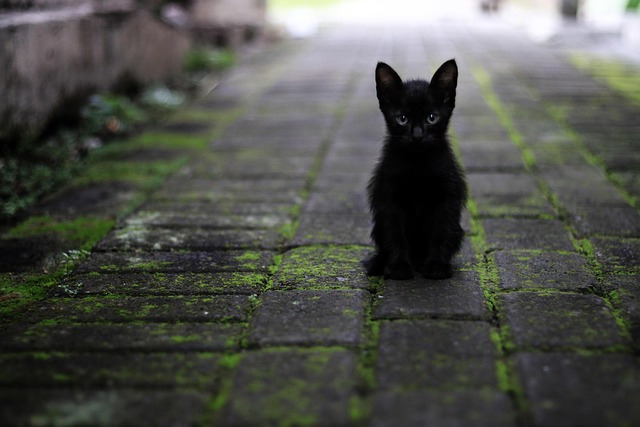
What stands out to me is how perception builds around them. A cat sitting calmly in a bright-colored room can look friendly and approachable, while the same cat in a dim space may look mysterious or distant. That small visual shift has shaped how many black cats get described online, sometimes more dramatically than their actual temperament suggests.
Notable black cats that became widely recognized
Over time, I started paying attention to the well-known black cats people mentioned during adoption conversations. Some were internet-famous pets, others were local legends tied to shops or neighborhoods. One café cat I visited regularly would sit on the counter near the register, calmly watching customers come and go. People would travel a fair distance just to see her, treating her like part of the experience rather than a pet.
Another case involved a bookstore cat that lived among shelves stacked nearly to the ceiling. I spent a few afternoons there observing behavior patterns, mostly because the owner wanted to understand why the cat preferred certain aisles. The cat would consistently choose the same window seat every morning, even when other spaces were available. It wasn’t unusual behavior for a cat, but the consistency made visitors talk about her as if she had a routine job.
Some black cats gain attention without ever leaving their homes. I once worked with a foster caregiver who posted daily updates about a shy black kitten adjusting to human interaction. The posts were simple, mostly short videos and notes about progress, but they slowly built a small following. People started referring to the kitten by name, even before adoption, which is how informal “fame” often begins in rescue circles.
Personality traits I repeatedly notice in black cats
Working closely with cats in shelters has shown me that coat color does not define behavior, but patterns in how people interpret them are real. Black cats are often described as either extremely affectionate or unusually independent, with little middle ground in public perception. In reality, I’ve seen just as many calm, social black cats as I’ve seen reserved or cautious ones.
One black cat I handled during a behavioral assessment followed the staff quietly from room to room without demanding attention. He didn’t push for interaction, but he also didn’t avoid it. I remember sitting on the floor during one session, and he simply chose to sit nearby, no more than a foot away, as if distance itself didn’t matter much to him. Small behaviors like that often get misread as mysterious or aloof.
At another shelter, I worked with a group of kittens where one black kitten consistently outperformed the others in play response tests. That doesn’t mean intelligence was higher, just that her curiosity threshold was different. She would test new toys faster than the rest, then quickly lose interest once she understood them. Patterns like this remind me that personality is layered and not tied to appearance.
Why black cats leave such lasting impressions
There’s a reason people remember black cats more easily after meeting them in person. Their appearance creates a stronger contrast in memory, especially in environments with bright lighting or patterned backgrounds. I’ve seen visitors at shelters point to a black cat they met weeks earlier, while forgetting details about others they saw that day. It isn’t preference alone, but how memory organizes visual differences.
Some of the most memorable cases I’ve handled involved cats that didn’t behave any differently, yet became local favorites simply because they appeared in the right setting at the right time. I once helped a small foster home document daily routines for a black cat who eventually got adopted after several months of quiet updates. The adoption itself was straightforward, but people later recognized the cat from those posts and mentioned following the story from the beginning.
Black cats also tend to become symbols in communities more easily, partly because of old myths and partly because of modern online storytelling. I’ve seen them become mascots for small shops, rescue groups, and even neighborhood events without any deliberate planning. Their presence carries a kind of visual weight that makes them stand out in ways other cats don’t.
After years of working around them, I’ve stopped thinking of “famous black cats” as a special category and more as a reflection of how people respond to them. Fame usually comes from context, timing, and how someone chooses to tell their story, rather than anything the cat is actively doing. In quiet rooms of shelters and foster homes, they’re still just cats doing what cats do, unaware of the attention built around them.