Are Benebones Safe for Dogs
May
Are Benebones Safe for Dogs or Just Another Chew Risk?

I run a small dog boarding and daycare setup out of my home, and I go through more chew toys in a month than most owners see in a year. Benebones started showing up in my play area a few years ago, usually brought in by clients who swore their dogs loved them. I have handled dozens of these chews across different breeds, from 8-pound terriers to 90-pound labs. That kind of exposure changes how you look at safety. It stops being theoretical and becomes very real.

What I’ve Seen Firsthand With Benebones

The first thing I noticed was how much dogs enjoy them. Most dogs pick one up within minutes and stay busy far longer than they would with a rope or rubber toy. That matters in a busy environment like mine, where I sometimes have 12 to 15 dogs at once and need safe distractions. A bored dog causes problems fast. A focused dog stays calm.

But I also started seeing wear patterns that made me pay attention. Some dogs would grind the ends down within a week, especially aggressive chewers like pit mixes and shepherds. Others barely made a dent after a month. That difference told me the toy itself was not the only factor. The dog’s chewing style plays a big role.

I had one case last summer where a young lab managed to shave off small pieces over a few days. Nothing dramatic, but enough that I pulled the chew out of rotation. Small fragments are where things can go wrong. Dogs do not chew politely.

How Material and Design Affect Safety

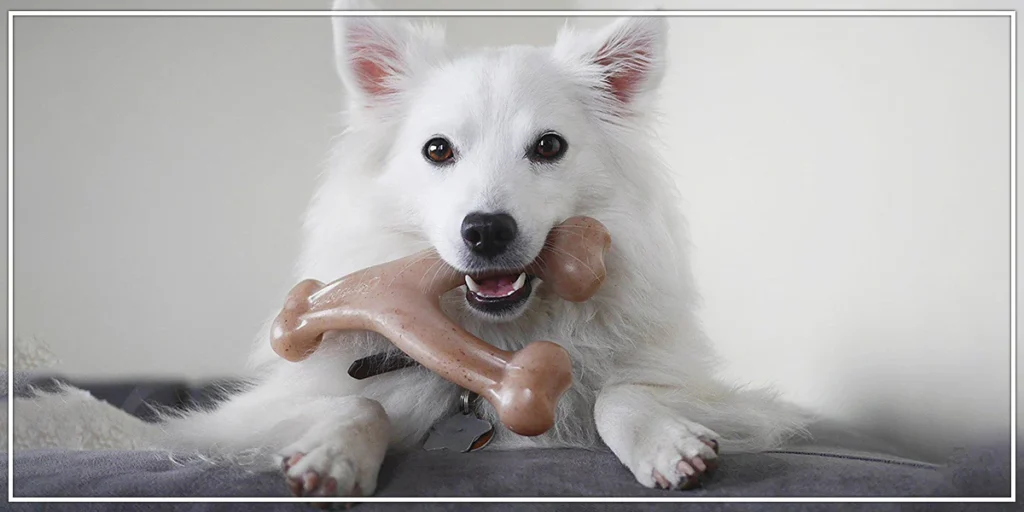
Benebones are made from nylon mixed with flavoring, which is very different from the softer rubber used in softer rubber toys. That hardness makes them long-lasting, but it also poses a risk if a dog chews too aggressively. I always tell clients that durability and safety sit on a fine line. One pushes against the other.

There is also the shape to consider. Many Benebones have curved edges or ridges designed for grip, and I have seen dogs use those shapes to hold the chew steady while applying serious pressure. For moderate chewers, that works well. For power chewers, it can accelerate wear in specific spots.

I sometimes point new owners toward resources like dog chew safety tips when they ask how to judge wear and tear, because understanding when to toss a chew matters more than the brand itself. A worn chew is a liability. A fresh one is usually fine.

Size selection is another factor people get wrong. I have seen a 25-pound dog handed a chew meant for a much larger breed, and that changes how the dog interacts with it. Too small, and it becomes a choking hazard. Too large, and it encourages awkward chewing angles that can stress teeth.

The Tooth Factor Most Owners Ignore

This is where I get a bit strict. Hard chews can crack teeth. I have seen it happen twice in my care, though not always with Benebones specifically. One case involved a heavy chewer who treated every toy like it was a bone from a butcher shop. The repair bill was not small.

Veterinarians often suggest the “fingernail test.” If you cannot press into the material slightly with your nail, it may be too hard for safe chewing. Benebones usually fail that test. That does not make them automatically dangerous, but it puts them in a category where supervision matters.

Some dogs self-regulate. Others do not. I have one bulldog client who will chew until his gums are sore if I let him. For dogs like that, I limit chew time to about 20 minutes, then swap the toy out. Short sessions reduce risk without taking away the benefit.
Are Benebones Safe for Dogs

Who Should Avoid Benebones Altogether

Not every dog should have one. Puppies under six months old are still developing their teeth, so I avoid giving them anything hard. Senior dogs with worn or sensitive teeth also struggle with these chews. They tend to gnaw less efficiently and can hurt themselves trying.

I also keep Benebones away from dogs that already show obsessive chewing behavior. You can spot them quickly. They ignore everything else, lock onto the chew, and do not take breaks. That kind of intensity is not ideal for a hard nylon product.

Here’s a quick breakdown of what I have seen work in real settings:

– Moderate chewers: usually fine with supervision and proper sizing

– Heavy chewers: use with caution and frequent inspection

– Puppies and seniors: better to skip entirely

That list comes from experience, not theory. I have rotated hundreds of toys through my setup, and patterns become clear over time.

How I Personally Use Them in My Setup

I still use Benebones, but I control how they are used. I rotate them in during quiet hours, usually after meals when dogs are more relaxed. I never leave them out overnight or during unsupervised group play. That is asking for trouble.

Every few days, I inspect each chew closely. I run my thumb along the edges, looking for sharp points or deep grooves. If I find anything that could break off, it goes in the trash. I do not try to stretch a chew’s life to save a few rupees. It is not worth it.

I also keep a mix of softer alternatives on hand. Variety helps. Some dogs naturally switch between textures, which reduces the stress they put on any single type of toy. That balance has saved me from more than one potential issue.

So are Benebones safe? They can be. In the right hands, with the right dog, they do their job well. Left unchecked, they can cause problems just like any other hard chew. I treat them as a tool, not a default choice, and that mindset has worked for me over the years.

Are Coyotes Really Dogs
May
Are Coyotes Really Dogs or Something Else Entirely?

I spend most of my days working as a rural animal control officer on the outskirts of a farming town, and I hear this question more often than you might expect. People see a coyote trotting across a field and assume it is just a skinny dog that got loose. I used to think the same when I first started. After years of dealing with both domestic dogs and wild predators, the difference feels obvious to me now.

Where Coyotes Fit in the Canine Family

Coyotes belong to the same biological family as dogs, which is why they look familiar at a glance. Both belong to the Canidae family, along with wolves and foxes, but that does not make them the same animal. A coyote is its own species, shaped by survival in the wild rather than by human breeding. I have handled dozens over the years, and every one of them carries a kind of alertness that domestic dogs rarely show.

People often assume that if two animals look alike, they must behave alike. That is not how it works in practice. A coyote can weigh around 9 to 18 kilograms, similar to a medium-sized dog, yet its instincts are entirely different. I have seen a coyote watch a group of chickens for nearly ten minutes before making a move, something most pet dogs would not have the patience to do.

So yes, they are related. But they are not dogs in the way most people mean it. That distinction matters more than it sounds.

Behavior That Sets Coyotes Apart

The first thing I noticed on the job was how coyotes move. They travel in straight, purposeful lines, often covering several kilometers in a single night. A pet dog, even an active one, tends to wander and double back, driven more by curiosity than strategy. The difference becomes clear when you track them after a report.

Last winter, I responded to a call where a farmer had lost a few hens. The tracks told the story before I even saw the animal. A single coyote had come in, taken one bird, and left without panic or chaos, which is a level of efficiency I rarely see in domestic dogs.

For people dealing with repeated sightings, I often suggest reaching out to a local wildlife control service that understands how to handle coyotes without escalating the situation. They know the patterns and can give advice that actually fits your area. That kind of guidance saves time and stress for everyone involved.

Coyotes are cautious. Very cautious. I have approached injured ones before, and even then, they keep a distance unless they have no other option. That natural fear of humans is one of the main reasons they survive so well near towns and villages.

Are Coyotes Really Dogs

Can Coyotes Be Treated Like Dogs?

This is where things get tricky, because people sometimes try to bridge the gap. I have seen cases where someone attempted to raise a young coyote like a pet. It may work for a short period, especially when the animal is small and dependent, but it rarely ends well.

A coyote does not lose its wild instincts just because it is fed from a bowl. Around the age of six to eight months, their behavior starts to shift. They become more territorial, more reactive, and far less predictable than any dog I have worked with.

One case still sticks with me. A family brought in what they thought was a stray puppy they had raised for months. By the time I saw it, the animal was already showing signs of aggression, especially around food. It turned out to be a young coyote, and rehoming it was not an option. That situation could have been avoided with a bit more awareness early on.

Dogs have been shaped by humans for thousands of years. Coyotes have not. That single fact explains most of the behavioral gap between them.

Why the Confusion Keeps Happening

Part of the confusion comes from appearance. Coyotes can look a lot like certain dog breeds, especially lean ones with pointed ears and narrow faces. In low light or from a distance, I have even had to take a second look before making a call.

Urban expansion has also played a role. As towns spread into rural areas, encounters become more common. A person might see a coyote in their street at night and assume it is just another stray dog passing through. It is easy to make this mistake.

There is also a tendency to humanize animals. People want to believe that a wild animal can fit into a domestic role if given enough care. I understand the instinct behind that thinking, but it does not match reality. Coyotes operate on a different set of rules.

Even their vocalizations are different. A dog’s bark carries one kind of message. A coyote’s yip and howl can signal territory, location, or group coordination, and I have heard those sounds echo across open land more times than I can count.

It is a different world out there for them.

After years of working in this field, I no longer see coyotes as misplaced dogs or misunderstood pets. They are exactly what they need to be to survive, shaped by pressure, hunger, and instinct in ways that no domestic dog has to deal with. If you keep that in mind, most of the confusion fades on its own.

Famous Black Cats
May
Famous Black Cats I’ve Worked With and Why They Stay in Memory

I work as a cat behavior consultant for animal shelters and foster programs, mostly helping overlooked cats adjust to new environments. Over the years, I’ve spent time with dozens of black cats that people later called “famous” in their own small circles, whether online adoption posts or neighborhood stories. I never set out to study fame in animals, but black cats tend to gather attention in ways other cats don’t. Some are adopted quickly, others sit in shelters longer than they should.

How black cats gain attention in shelters and online spaces

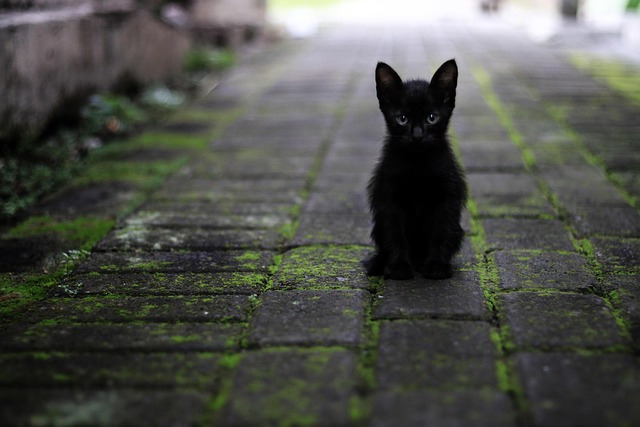
In shelters where I’ve worked, black cats often end up in the middle of adoption campaigns because they photograph differently under harsh lighting. I remember a small municipal shelter that had around forty cats at any given time, and nearly a quarter of them were black-coated. Staff would sometimes joke that they disappeared in photos unless you knew how to angle the camera just right. That alone has made some of them unexpectedly “famous” on adoption pages.

There was a younger black cat I worked with during a volunteer stint who became locally known after a short video of her playing with a shoelace went around community pages. She wasn’t doing anything special, just reacting to movement in a quiet room, but people shared it repeatedly. I once suggested to a volunteer group that better lighting and background contrast could change adoption rates for cats like her. During that project, I also coordinated with a small rescue group that used a black cat adoption support service to help improve visibility for harder-to-photograph animals. The difference in adoption inquiries within a couple of weeks was noticeable, even without changing the cats themselves.

What stands out to me is how perception builds around them. A cat sitting calmly in a bright-colored room can look friendly and approachable, while the same cat in a dim space may look mysterious or distant. That small visual shift has shaped how many black cats get described online, sometimes more dramatically than their actual temperament suggests.

Notable black cats that became widely recognized

Over time, I started paying attention to the well-known black cats people mentioned during adoption conversations. Some were internet-famous pets, others were local legends tied to shops or neighborhoods. One café cat I visited regularly would sit on the counter near the register, calmly watching customers come and go. People would travel a fair distance just to see her, treating her like part of the experience rather than a pet.

Another case involved a bookstore cat that lived among shelves stacked nearly to the ceiling. I spent a few afternoons there observing behavior patterns, mostly because the owner wanted to understand why the cat preferred certain aisles. The cat would consistently choose the same window seat every morning, even when other spaces were available. It wasn’t unusual behavior for a cat, but the consistency made visitors talk about her as if she had a routine job.

Some black cats gain attention without ever leaving their homes. I once worked with a foster caregiver who posted daily updates about a shy black kitten adjusting to human interaction. The posts were simple, mostly short videos and notes about progress, but they slowly built a small following. People started referring to the kitten by name, even before adoption, which is how informal “fame” often begins in rescue circles.

Famous Black Cats

Personality traits I repeatedly notice in black cats

Working closely with cats in shelters has shown me that coat color does not define behavior, but patterns in how people interpret them are real. Black cats are often described as either extremely affectionate or unusually independent, with little middle ground in public perception. In reality, I’ve seen just as many calm, social black cats as I’ve seen reserved or cautious ones.

One black cat I handled during a behavioral assessment followed the staff quietly from room to room without demanding attention. He didn’t push for interaction, but he also didn’t avoid it. I remember sitting on the floor during one session, and he simply chose to sit nearby, no more than a foot away, as if distance itself didn’t matter much to him. Small behaviors like that often get misread as mysterious or aloof.

At another shelter, I worked with a group of kittens where one black kitten consistently outperformed the others in play response tests. That doesn’t mean intelligence was higher, just that her curiosity threshold was different. She would test new toys faster than the rest, then quickly lose interest once she understood them. Patterns like this remind me that personality is layered and not tied to appearance.

Why black cats leave such lasting impressions

There’s a reason people remember black cats more easily after meeting them in person. Their appearance creates a stronger contrast in memory, especially in environments with bright lighting or patterned backgrounds. I’ve seen visitors at shelters point to a black cat they met weeks earlier, while forgetting details about others they saw that day. It isn’t preference alone, but how memory organizes visual differences.

Some of the most memorable cases I’ve handled involved cats that didn’t behave any differently, yet became local favorites simply because they appeared in the right setting at the right time. I once helped a small foster home document daily routines for a black cat who eventually got adopted after several months of quiet updates. The adoption itself was straightforward, but people later recognized the cat from those posts and mentioned following the story from the beginning.

Black cats also tend to become symbols in communities more easily, partly because of old myths and partly because of modern online storytelling. I’ve seen them become mascots for small shops, rescue groups, and even neighborhood events without any deliberate planning. Their presence carries a kind of visual weight that makes them stand out in ways other cats don’t.

After years of working around them, I’ve stopped thinking of “famous black cats” as a special category and more as a reflection of how people respond to them. Fame usually comes from context, timing, and how someone chooses to tell their story, rather than anything the cat is actively doing. In quiet rooms of shelters and foster homes, they’re still just cats doing what cats do, unaware of the attention built around them.

Baby’s Breath and Cats
May
Baby’s Breath and Cats: What I’ve Seen in Grooming House Calls

I run a mobile pet grooming van, and over the years I’ve been inside hundreds of homes where cats and flowers share the same space. One plant that keeps coming up in conversations is baby’s breath, usually tucked into bouquets on dining tables or bedside vases. I’ve had more than a few cat owners ask me whether it’s harmless or something to worry about. My answer is shaped by what I’ve seen in real homes, not just what’s written on warning labels.

Why Baby’s Breath Raises Concerns Around Cats

Baby’s breath is often treated like a harmless filler flower, but I’ve learned that cats don’t always see it that way. In several homes I’ve visited for grooming, I’ve noticed cats chewing on stray stems that fall from bouquets. The plant, known scientifically as Gypsophila, contains compounds that can irritate a cat’s digestive system. While it is not usually considered highly toxic like lilies, it can still cause uncomfortable symptoms.

I remember a customer last spring whose indoor cat started vomiting after nibbling on a vase arrangement left on the kitchen counter. The owner had no idea the small white flowers could cause that kind of reaction. Situations like that are not rare in my experience, especially in homes where cats are curious, and bouquets are kept within reach. Many pet owners assume decorative plants are automatically safe, and that assumption can lead to avoidable stress.

When I talk with pet owners, I often suggest checking plant safety before bringing any floral arrangement home. I also point them toward local support options, including a resource where they can quickly get guidance on pet-safe plants and emergency advice if something is ingested. Having that kind of reference nearby can make a real difference when you’re unsure about symptoms or timing. Most people only think about it after an incident happens, which is usually too late for peace of mind.

What Happens If a Cat Eats Baby’s Breath

In my grooming van, I’ve seen cats show mild but noticeable reactions after exposure to baby’s breath. The most common signs include drooling, vomiting, and a general loss of appetite that can last several hours. These symptoms are usually not life-threatening, but they can be alarming for owners who don’t know the cause. The severity often depends on how much the cat has ingested and on the animal’s individual sensitivity.

Some cats I’ve encountered barely react at all, while others become visibly uncomfortable after just a small nibble. I once visited a home where a cat had chewed on stems overnight, and the owner noticed lethargy and repeated attempts to hide under furniture the next morning. That kind of behavior change is usually what prompts a call for help. In most cases I’ve observed, symptoms ease within a day once the plant is removed and hydration is encouraged.

Veterinarians I’ve spoken with during house call referrals tend to treat these cases as mild toxic exposure or digestive irritation. They often recommend monitoring rather than aggressive treatment unless symptoms escalate. Still, I always remind owners that “mild” doesn’t mean “ignore it,” especially when it involves repeated vomiting or refusal to eat. Cats are good at hiding discomfort, so early observation is important.

Baby’s Breath and Cats

How I Handle Households With Cats and Flowers

Working as a mobile groomer means I step into all kinds of living spaces, and floral arrangements are a constant presence. I’ve developed a habit of scanning for anything a cat might chew while I’m setting up my grooming station. Baby’s breath is one of those plants I almost always point out when I see it near floor level or on low tables. Most owners appreciate the heads-up, especially when they didn’t realize it could be an issue.

A customer, a few months ago, kept fresh bouquets in nearly every room of the house. Their young cat had already knocked over two vases before I arrived, scattering stems across the living room. I suggested moving the arrangements to higher shelves or switching to artificial flowers, at least until the cat was out of its exploratory phase. Small adjustments like that often prevent repeat incidents without altering the home’s feel too much.

My approach is never about removing beauty from a home, but about reducing risk in a way that fits real life. Cats are naturally curious, and anything dangling or lightly textured tends to attract them. Once owners see that pattern, they usually start making small changes on their own. It’s less about strict rules and more about understanding behavior.

Safer Choices and What I Recommend Instead

Over time, I’ve learned that many pet owners simply want alternatives rather than restrictions. When someone tells me they love having flowers around but worry about their cat, I usually suggest looking into non-toxic options or placing arrangements out of reach of their cat. I’ve seen households switch to orchids or certain herbs that don’t trigger the same concerns, though supervision still matters.

I’ve also noticed that artificial arrangements have improved a lot in appearance, especially in homes where pets are highly active. One client last winter replaced all fresh bouquets after repeated chewing incidents and said it reduced both cleanup and worry. The cat didn’t lose interest in exploring, but at least there was nothing harmful within reach. That kind of practical compromise tends to work better than constant correction.

What I’ve come to accept is that baby’s breath isn’t the most dangerous plant around cats, but it doesn’t belong in the “no concern at all” category either. The real issue is accessibility and curiosity, not just toxicity alone. When those two factors combine, even a mild irritant can turn into a stressful situation for both pet and owner.

Most of the time, prevention is simple once people are aware. Moving flowers higher, watching for dropped stems, and paying attention to early symptoms usually keep everything under control. I’ve seen enough homes to know that small habits make the biggest difference in keeping cats safe around everyday household items.

Cat Sleeping Face Down
May
Why Does My Cat End Up Sleeping Face Down On The Floor

I’ve spent years working around animals in small home setups, mostly helping people with pet behavior issues in a mobile grooming and care service I run in a few neighborhoods outside the main city. One thing that keeps coming up in conversations with cat owners is this strange habit: their cat sleeping face down, like it just gave up mid-nap. I’ve seen it in my own house, too, especially with one older rescue I’ve had for years who chooses the strangest sleeping positions. At first, it looks uncomfortable, even worrying, but there’s usually a simple explanation behind it.

The strange comfort of face-down sleeping

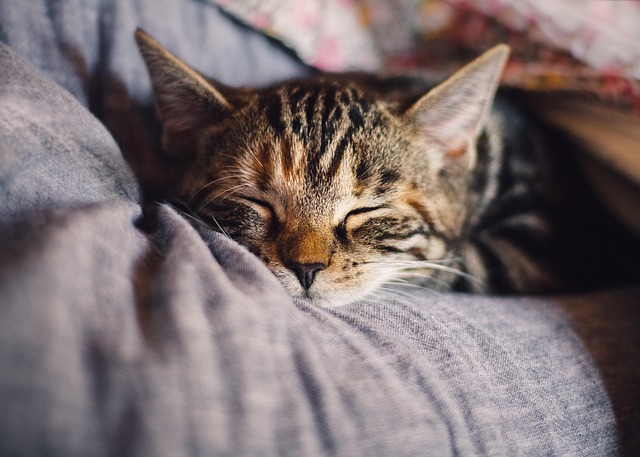
Most people imagine cats curling into neat little balls or stretching out on their sides, but face-down sleeping is more common than it looks. I first noticed it years ago while checking on a client’s indoor cats during a routine visit, and one of them was flat on its stomach, its face pressed into a cushion, having run out of energy mid-thought. The owner was convinced something was wrong, but the cat was perfectly healthy and just very relaxed.

In my experience, face-down sleeping is usually about comfort and pressure control. Cats sometimes press their faces into soft surfaces because it gives them a sense of security, almost as if they were muffling the outside world. It is similar to how some cats hide under blankets or tuck their heads under furniture edges. I’ve even had a customer last spring who thought their cat was struggling to breathe, but after observing it over a few days, we realized it only did it on warm afternoons when the room was quiet.

Some cats also do this when they are deeply tired and no longer want to adjust their position. Instead of carefully settling into a perfect pose, they just drop where they are and stay there. I have often seen it in younger cats after play sessions that last too long, especially when they crash suddenly near a window or a hallway.

Sleep posture and hidden comfort signals

When I talk to pet owners about sleep positions, I usually compare it to how humans fall asleep in awkward places after a long day. Cats do not always prioritize elegance in sleep; they prioritize what feels safest and least effortful in that moment. A face-down position can actually reduce sensory input, blocking light and dampening sound, which helps them settle faster into deep rest.

One client I worked with had a cat that consistently slept face down on the sofa armrest. They were worried enough to seek veterinary advice from a local online pet support service, which helped rule out health concerns. After that, they noticed the cat only did it when the household was busy and noisy, as if it were trying to shut everything out. That pattern made it clear it was more about overstimulation than discomfort.

There is also a physical comfort factor that people often miss. Cats have flexible spines and shoulders, and sometimes the face-down position helps them stretch their neck muscles in a relaxed way without fully waking up. I’ve seen this especially in cats that love soft bedding, where their body just sinks in, and gravity does the rest. It looks odd to us, but for them, it can be one of the most effortless resting positions available.

Cat Sleeping Face Down

When it might signal something else

Not every unusual sleep posture is harmless, and over the years, I’ve learned to watch for patterns rather than one-off moments. A cat sleeping face down occasionally is usually nothing to worry about, but if it becomes constant and is paired with other changes, it can point to something worth checking. I once had a case where a cat started choosing face-down positions almost exclusively, and the owner also mentioned reduced appetite and less interest in movement.

That situation turned out to be mild respiratory irritation, which made the cat prefer positions that kept its airway as open as possible without changing posture often. I am not saying this is common, but it is one of those edge cases where behavior shifts are subtle before other signs appear. Cats are good at hiding discomfort, so small changes matter more than dramatic ones.

If a cat is still playful, eating normally, and responsive when awake, face-down sleeping alone is rarely a red flag. I usually advise people to observe without overreacting unless multiple behaviors change at the same time. In many homes I visit, reassurance alone is enough once they understand how flexible cat sleep behavior really is.

Why do some cats prefer the “hidden face” position

There is also a behavioral angle that comes from instinct. In the wild, hiding the face while resting reduces exposure and makes the animal feel less visible to potential threats. Even though domestic cats are far removed from that environment, those instincts still show up in small ways, especially in resting habits. I’ve seen this more in shy or newly adopted cats that are still adjusting to a household.

Another factor is temperature control. Cats that feel slightly warm may press their faces into cooler surfaces, such as tile floors or the edges of wooden furniture. I remember one summer visit when several indoor cats in a single home all chose face-down sleeping spots near air vents, and none had any health issues. They were simply managing heat in their own quiet way.

Personality also plays a role. Some cats are just less “posed” in how they sleep. They collapse into whatever position feels convenient and stay there until something wakes them up. I have one in my care rotation who sleeps face-down on a stack of laundry almost every visit, and that has never changed despite being healthy and active for years.

Over time, I have learned that cat sleep behavior is less about fixed meanings and more about context. A face-down nap can mean comfort, cooling, recovery from overstimulation, or just pure exhaustion after play. The trick is not to isolate the posture, but to read the rest of the cat’s daily rhythm alongside it.