Do Dogs Prefer Cooked or Raw Meat? What I’ve Seen Feeding Them Every Day
I run a small dog boarding and feeding setup on the edge of town, and I’ve handled hundreds of feeding routines over the years. Some owners bring neatly packed cooked meals, others show up with frozen raw portions in labeled bags. I’ve watched dogs react to both, day after day, meal after meal. The question of what dogs prefer is not as simple as people think, and the answer often changes depending on the dog standing in front of me.
What Dogs Actually Do When Given a Choice
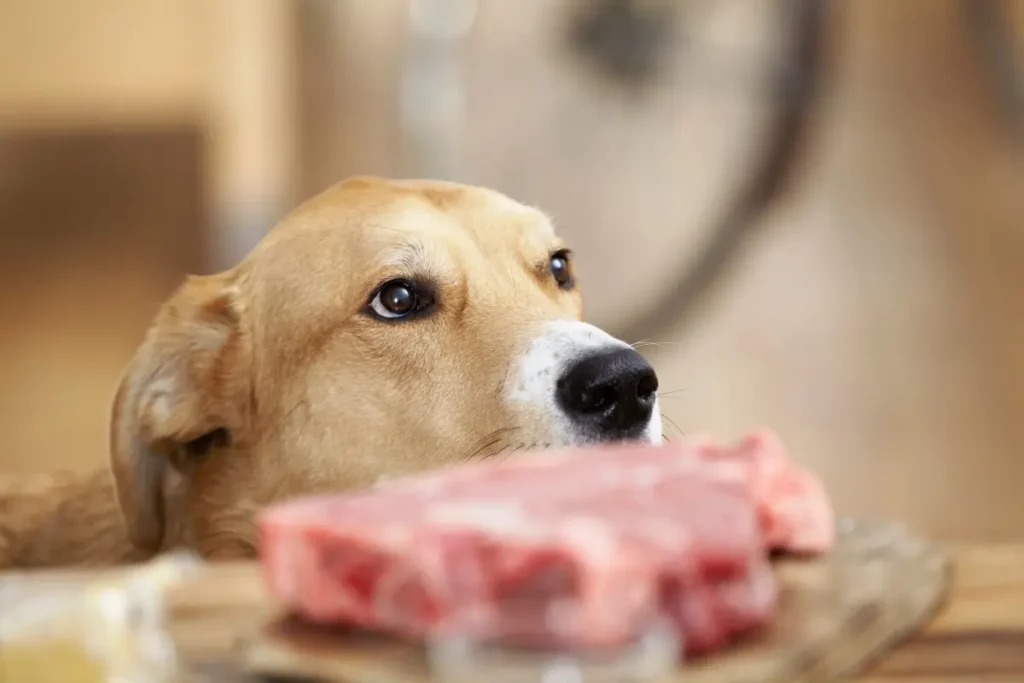
I’ve tested this more times than I can count, usually in a controlled way with dogs that are comfortable in my space. I place two bowls down, one with lightly cooked meat and one with raw chunks, and then I step back and watch. Most dogs go straight for the raw bowl first, especially if the meat has a strong smell like beef or lamb. It’s quick and instinctive.
That said, not all dogs behave the same way. Some hesitate, sniff both bowls, and pick the cooked option, especially if they’ve been raised on cooked food since puppyhood. Habits matter more than people expect. A dog that has eaten cooked chicken for three years doesn’t suddenly act like a wolf just because raw meat is present.
I’ve noticed that texture plays a big role. Raw meat has a different resistance, and dogs seem to enjoy tearing into it, even in small portions. Cooked meat is softer, easier to chew, and often swallowed faster. Some dogs eat cooked food so quickly that they barely taste it.
There’s also excitement involved. Raw meat smells stronger, and that smell triggers something. It’s not subtle. Even a quiet dog perks up when raw meat is in the room.
Why Owners Choose Cooked Meat Anyway
Preference and safety are two different conversations, and I’ve had this discussion with clients many times while planning feeding routines for longer stays. Last winter, one owner insisted on cooked meals after a bad experience with spoiled raw meat on a road trip. That kind of experience sticks with people.
For those researching feeding options, I’ve seen people browse sites like do dogs prefer cooked or raw meat to compare different approaches before deciding what works for their dog and their lifestyle. It makes sense because feeding isn’t just about what the dog wants; it’s about what the owner can consistently manage. Raw feeding requires storage, handling, and a bit of confidence.
Cooked meat feels safer to many owners, especially those with children in the house. I’ve had clients tell me they worry about bacteria on surfaces or cross-contamination in the kitchen. Cooking the meat gives them peace of mind, even if their dog might show more excitement for raw food.
There’s also digestion to consider. Some dogs have sensitive stomachs, and cooked food sits better with them. I’ve seen dogs that get loose stools from raw diets but stabilize quickly when switched to cooked meals. It’s not rare.
The Raw Feeding Experience From My Side
Handling raw meat for multiple dogs every day changes how you see it. It’s not glamorous. It’s a routine that needs attention, especially in warmer months, when meat can spoil quickly if left out for as little as 20 minutes. I keep everything chilled until the last possible moment.
Dogs on raw diets often have smaller, firmer stools. I noticed this early on, and many raw feeders mention it. The difference becomes obvious when you’re cleaning up after ten dogs in a row. It’s one of those practical details that doesn’t get talked about enough.
Energy levels can vary. Some dogs seem more alert and active on raw diets, but I’ve also seen dogs do just as well on balanced cooked meals. There’s no universal outcome. Each dog writes its own story.
One thing I cannot ignore is how focused dogs become during raw feeding time. They don’t wander. They don’t get distracted. The bowl is their entire world for those few minutes.
Cooked Meat Has Its Own Advantages
Cooked meat is easier to portion and mix with other foods, such as rice or vegetables. I’ve prepared meals with about 60 percent cooked chicken and 40 percent rice for older dogs who needed something gentle. That kind of flexibility helps a lot.
Some dogs simply prefer the taste of cooked food, especially if it’s seasoned lightly with dog-safe ingredients or mixed with broth. The smell is milder, but still appealing. I’ve seen picky eaters finally finish their bowls when switched to cooked meals.
Consistency is another benefit. Cooked meals tend to be more predictable for digestion. Owners who travel often or rely on multiple caregivers find cooked food easier to manage, as it reduces guesswork. Not everyone wants to deal with raw handling protocols.
And then there’s trust. Owners trust what they can see and understand. Cooking meat feels familiar, while raw feeding can feel like stepping into something uncertain.
So What Do Dogs Prefer in the End?
If I had to answer based purely on behavior, most dogs lean toward raw meat. The reaction is stronger, the interest is immediate, and the eating process looks more engaging. That instinct hasn’t disappeared.
But preference is shaped over time. A dog raised on cooked food may genuinely prefer it, not just tolerate it. I’ve seen that shift happen gradually, especially in households that stick to one method for years.
It’s also worth remembering that dogs don’t think in categories as humans do. They respond to smell, texture, and familiarity. Raw meat checks two of those boxes very strongly, while cooked meat often wins on familiarity.
In my daily routine, I don’t push one method on every dog. I watch how they eat, digest, and behave over a few days. That tells me more than any feeding philosophy ever could.
I still remember a quiet dog that arrived last summer, nervous and barely eating anything for the first day. We tried cooked food first, and he ignored it. The next morning, I offered a small portion of raw beef, and he ate without hesitation. That moment said enough. Every dog has its own answer.