Guide to Understanding Anthurium Dangers for Cats
Anthuriums are popular houseplants with bright flowers and glossy leaves. Many cat owners like them for their beauty. However, they can pose hidden risks for pets. Knowing how anthuriums affect cats helps keep your home safe.
Why Anthuriums Can Be Harmful
Anthuriums have calcium oxalate crystals that are toxic if cats eat them. These can irritate the mouth, throat, and digestive tract. Even a small bite may cause drooling, pawing at the mouth, and trouble swallowing.
Pet owners can learn more about these risks from reliable resources. For example, guides like ” Is anthurium toxic to cats provide detailed information about the symptoms and dangers. Following such resources can help you identify early warning signs and take immediate action if your cat comes into contact with the plant.
Worse symptoms may occur if a cat eats more of the plant. Vomiting, loss of appetite, and tiredness can happen. Spotting these signs early prevents serious issues.
Symptoms to Watch For
Knowing the symptoms of anthurium poisoning can help prevent severe discomfort in your cat. Cats may show signs such as excessive drooling, swelling of the lips or tongue, and vomiting. Some cats may also refuse to eat or drink after chewing on the leaves.
Behavioral changes can also indicate toxicity. A cat may become unusually restless or hide in a quiet corner. If you notice these behaviors alongside oral irritation, prompt veterinary care is necessary. Immediate action is critical because symptom severity can vary depending on the cat’s size and the amount ingested.
Mild exposure may only cause short-term discomfort. But larger exposures can cause serious problems. Watch your cat around anthuriums to prevent emergencies and act fast if needed.
Preventing Exposure at Home
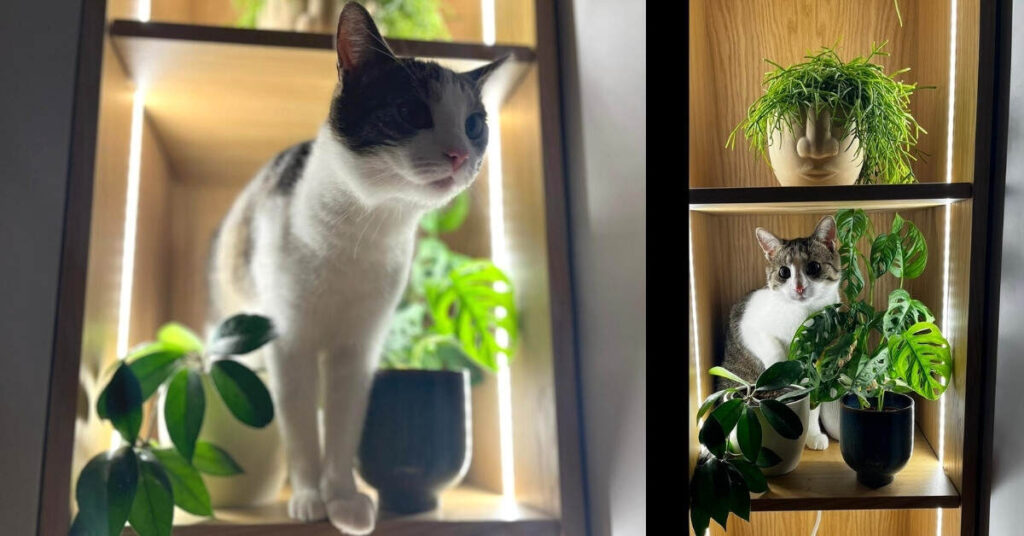
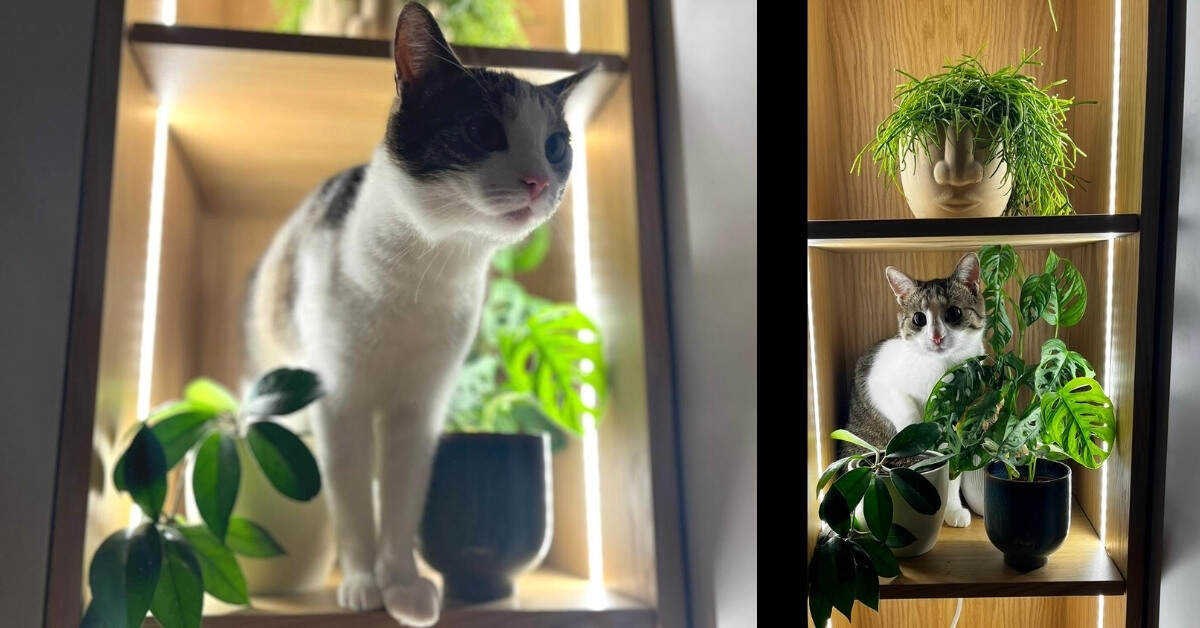
To protect your cat, keep anthuriums out of reach. Place them high or in closed spaces. Hanging planters or high shelves keep them out of reach of cats while still brightening your home.
Another strategy is using deterrents. Some cats dislike citrus scents, so placing orange or lemon peels around the plant may reduce curiosity. You can also train your cat to avoid certain areas by consistently redirecting and reinforcing positive behavior.
Check the plant often. Remove fallen leaves or flowers right away to stop cats from chewing them. Keeping things clean helps prevent accidental eating.
What to Do if Your Cat Ingests Anthurium
If your cat chews or swallows parts of an anthurium, contact a veterinarian immediately. Provide information about the plant and the amount ingested. Early intervention can reduce symptom severity and prevent complications.
Supportive care often includes mouth rinsing, providing fluids, and monitoring for vomiting or diarrhea. In severe cases, hospitalization may be necessary for observation and treatment. Knowing emergency procedures ahead of time helps you act quickly in a stressful situation.
Keep emergency numbers handy, including your local vet and Animal Poison Control. Acting promptly improves the chances of a full recovery and keeps your cat safe. Do not try home remedies without professional guidance, as this can worsen the situation.
Anthuriums are beautiful plants, but they pose a significant risk to cats due to calcium oxalate crystals. Understanding the symptoms, prevention strategies, and emergency steps can help cat owners protect their pets. Careful placement, monitoring, and preparedness ensure that both your home and your cat remain safe and healthy.