A Guide Understanding Cat Scent Glands and Their Purpose
Cats use scent glands to communicate and mark territory. These glands are spread across their bodies and create unique smells. By rubbing, scratching, and other actions, cats signal to other animals and humans. Learning about scent glands helps owners understand their cat’s behavior and can strengthen the bond with their pet.
Locations and Functions of Cat Scent Glands
Cats have scent glands in the cheeks, paws, chin, and tail base. Each gland aids in communication and marking territory. Cheek glands are used during rubbing to leave a familiar scent. Paw glands mark territory when cats scratch, while tail base glands help with subtle social cues among cats.
For guidance on cat scent glands, resources explain their function and what signs indicate health issues. They offer tips for spotting problems with blocked or irritated glands. Using expert information helps owners keep pets healthy and understand natural behaviors. Being informed can stop small issues from becoming serious.
Anal glands are important indicators of a cat’s emotional and physical state. Stress, illness, or discomfort may cause over-grooming or frequent marking. Owners who recognize these signs can act before problems grow. Patterns in scent marking provide health insight; early recognition leads to better outcomes.
Behavioral Uses of Scent Glands
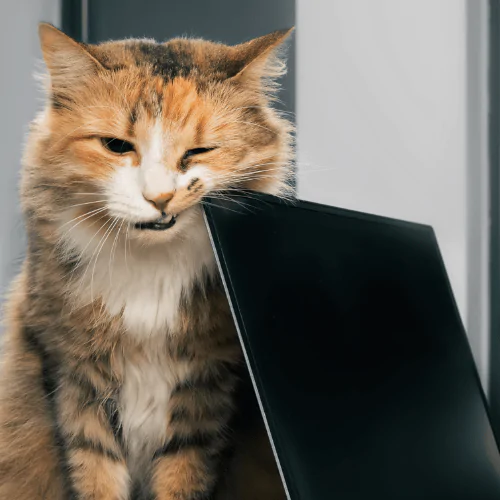
Cats use scent marking to communicate with other cats and with humans. They rub cheeks on objects or people to leave their scent. Scratching gives both a visual and scent message from the paw glands. Tail and chin glands signal more subtly, often during greetings or when content. Recognizing these actions helps owners understand their cat’s emotions and social cues.
Scent marking helps cats reduce stress and feel secure. Leaving scent in familiar areas reassures them and sets territory. Rubbing and scratching patterns may show comfort or stress. Offering scent-marking areas can curb issues. Give cats safe spots to mark for mental health support.
Some cats over-mark due to stress or environmental changes. Moving, new pets, or strangers can trigger more rubbing and scratching. Watching these behaviors may reveal stressors. Give enrichment, safe spaces, and routines to help. Notice changes to keep a calm home.
Health Considerations Related to Scent Glands
Scent glands, especially anal glands, can get blocked or infected. Signs include scooting, excessive licking, or discomfort when sitting. Early care prevents serious infections. Regular vet visits keep glands healthy. Owners should watch for changes in grooming or strange odors as early warning signs.
Good hygiene and diet support gland health. Some diets create firmer stools that help express anal glands. Watch for early signs of gland trouble. Quick care prevents problems. Knowing the link between health, diet, and glands is key to long-term wellness.
Behavioral and health monitoring go hand in hand for a cat’s well-being. Noticing subtle changes in rubbing, scratching, or grooming can provide early warnings. Proactive care helps prevent minor issues with scent glands from escalating. Owners who stay observant and informed create a safer and more comfortable environment for their cats. These practices contribute to a happier and healthier feline companion.
Cat scent glands play a vital role in communication and overall health. Observing how your cat uses its glands provides insight into emotions, stress levels, and well-being. Regular checkups, proper hygiene, and environmental enrichment ensure these glands function properly. Understanding these natural behaviors strengthens the human-cat bond and supports a harmonious home environment. Awareness and proactive care keep your cat safe and comfortable at all times.