Do Strawberries Help Keep Your Dog’s Teeth Healthy?
Many dog owners are curious about whether fruits can help keep their pets’ teeth clean. Strawberries are a delightful favorite—they’re sweet, soft, and simple to share with your furry friend.
You might have heard that these berries are good for cleaning teeth, but there’s a bit more to the story. Getting to know how strawberries actually affect your dog’s mouth can help you make thoughtful feeding choices.
Nutritional Value of Strawberries for Dogs
Strawberries offer plenty of goodness for dogs. They contain vitamin C, fiber, and natural antioxidants that support overall health. These nutrients can help boost your dog’s immune system and aid digestion when offered in small amounts. A medium-sized strawberry is light on calories, making it a cheerful treat compared to processed snacks. Most dogs enjoy the sweet taste, and their excitement is often contagious.
There’s something extra-special in strawberries: a compound called malic acid. Some people say it gives teeth a gentle whitening boost. While this effect isn’t as dramatic as professional pet dental products, including strawberries as part of a balanced diet may offer a small, sweet benefit.
Fresh fruit brings the most benefits. Frozen strawberries are also a fun option—especially when the weather is warm—just make sure they’re plain, with no sugar or syrup added. Steer clear of canned strawberries, as they are too sugary for dogs. And remember to give them a good rinse before sharing with your pet!
How Strawberries Affect Dental Health
Some pet owners look for natural ways to support their dog’s oral hygiene, and one helpful resource explains, with veterinary guidance, whether strawberries are good for dogs’ teeth. While strawberries contain malic acid that may help reduce surface stains, they do not replace brushing or professional dental care. The texture of strawberries is soft, so they do not scrub plaque as well as crunchy treats might. This means their cleaning ability is limited.
Dogs need more than soft foods for a healthy mouth. Chewing is important for cleaning teeth and keeping gums strong. Since strawberries are tender, they don’t give that satisfying crunch or plaque-removing action. Their helpfulness is gentle and adds a little variety to your dog’s routine.
Sugar is another factor to consider. Strawberries contain natural sugars that can still contribute to tooth decay if consumed in large amounts over time. Even healthy treats should be limited. Moderation is key.
Safe Ways to Feed Strawberries to Dogs
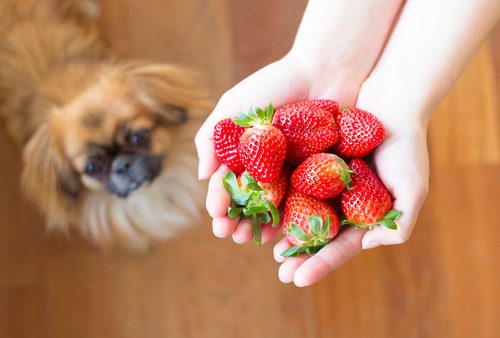
Feeding strawberries the right way is important for safety. Start with small portions, such as one or two berries for a medium-sized dog weighing around 15 kilograms. Cut them into smaller pieces to prevent choking, especially for smaller breeds. Always remove the stems and leaves before serving.
Introduce strawberries slowly. Some dogs may have sensitive stomachs and could react to new foods. Watch for signs like diarrhea or vomiting after the first feeding. If any issues appear, stop giving the fruit and consult a veterinarian.
It helps to use strawberries as an occasional treat rather than a daily habit. A few times per week is enough. Mixing them with regular meals is not necessary and may reduce the dog’s interest in balanced dog food. Keep things simple.
Comparing Strawberries with Other Dental-Friendly Foods
Not all fruits affect dental health in the same way. Apples, for example, have a firmer texture and may help scrape away plaque during chewing. Carrots are another option, offering a crunchy bite that supports gum health. Compared to these, strawberries are softer and less effective in cleaning teeth.
Dental chews designed for dogs are often more effective for oral hygiene than fruits. These products are shaped and textured to clean between teeth and along the gum line. They are also tested for safety and effectiveness. Fruits cannot match that level of targeted care.
Still, strawberries have their place. They provide variety and can be a healthier alternative to sugary biscuits. Just do not rely on them for dental care alone. Dogs need a balanced diet and proper oral hygiene practices.
When Strawberries Might Not Be a Good Choice
Some dogs should avoid strawberries altogether. Pets with diabetes need careful control of sugar intake, even from natural sources. The sugar in strawberries, though not high, can still affect blood glucose levels. Always check with a vet before offering new foods to dogs with health conditions.
Allergies are rare but possible. A dog might show itching, swelling, or digestive upset after eating strawberries. If you notice any unusual signs, stop feeding them immediately. Better safe than sorry.
Puppies also need special care. Their digestive systems are still developing, and introducing fruits too early may cause discomfort. Wait until they are older and already used to solid foods before offering small fruit treats. Keep portions very small at first.
Strawberries can be a fun and refreshing treat for dogs when given correctly, but they should never replace proper dental care or a balanced diet. Paying attention to portion size, your dog’s health, and regular oral hygiene routines will ensure your pet stays happy and healthy over time.