Can Cats Have Walnuts? A Veterinarian’s Perspective
As a licensed veterinarian practicing in Texas for over a decade, I’ve seen countless pet owners offer their cats human foods without realizing the potential risks. One question I hear surprisingly often is whether cats can safely eat walnuts. I want to share what I’ve learned from both research and hands-on experience in my clinic.
Why Cats and Walnuts Don’t Mix Well
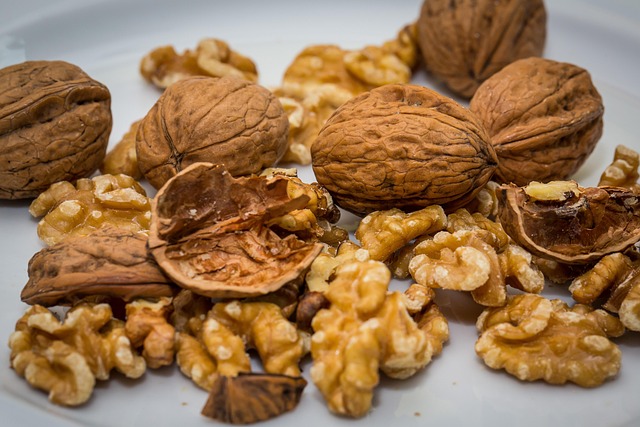
Cats are obligate carnivores, meaning their digestive systems are designed to process meat, not nuts or other plant-based foods. While walnuts are healthy for humans due to their omega-3 fats and antioxidants, they can pose several risks for cats.
In my experience, the most common problem I’ve seen is gastrointestinal upset. I once treated a two-year-old domestic shorthair who had snuck a few walnut halves off the kitchen counter. Within hours, she was vomiting and had diarrhea. While she recovered quickly after supportive care, it was a clear example of how a seemingly small treatment can cause significant discomfort.
Another concern is choking. Cats are small animals, and walnuts are hard and irregularly shaped. I recall a client whose cat swallowed a whole walnut, leading to a stressful emergency visit. Luckily, we managed the situation without surgery, but it highlighted the physical dangers of feeding nuts to cats.
The Risk of Toxins
Walnuts themselves aren’t inherently toxic in the same way that chocolate or grapes are, but they can harbor mold that produces mycotoxins. In my practice, I’ve seen two cases of cats ingesting old or moldy walnuts that developed tremors and lethargy. These mycotoxins can affect the nervous system, which is especially dangerous in smaller pets like cats.
Even fresh walnuts can cause pancreatitis if consumed in larger quantities. I treated a Maine Coon once whose owner offered a few walnut pieces as a treat. The cat didn’t show immediate symptoms but developed a painful bout of pancreatitis two days later. From that experience, I strongly advise against intentionally feeding walnuts to cats, even in small amounts.
Safe Alternatives
If you want to give your cat a crunchy treat, there are safer options. I usually recommend specially formulated cat treats, freeze-dried meat bites, or even small pieces of cooked chicken. These alternatives satisfy the desire to nibble without risking gastrointestinal distress or exposure to toxins.
One practical example comes to mind: a family had been giving their cat pecans and walnuts over several weeks. The cat started showing lethargy and reduced appetite. Switching to freeze-dried salmon treats resolved the issue within a few days, and the cat was happier and healthier.
When Accidental Ingestion Happens
Accidents do happen, and I’ve had several patients eat nuts they weren’t supposed to. If your cat nibbles on a walnut, watch for vomiting, diarrhea, lethargy, tremors, or changes in appetite. Small amounts of fresh walnuts might not cause serious harm, but it’s always better to err on the side of caution and call your veterinarian immediately.
I keep a small checklist in my clinic for nut ingestion cases, which helps me quickly evaluate the severity: the type of nut, how much was consumed, whether it was moldy, and the cat’s size and medical history. This practical approach has helped me prevent serious complications on multiple occasions.
Bottom Line
From my perspective as a veterinarian, walnuts are not a suitable snack for cats. Even in tiny amounts, they can lead to gastrointestinal upset, pose a choking hazard, and occasionally introduce harmful toxins. Observing a cat’s natural dietary needs and offering safe alternatives is the best way to keep them healthy and happy.
I’ve seen firsthand how a simple treat intended as a gesture of love can lead to an emergency visit. Protecting your cat means understanding which human foods are off-limits—and walnuts clearly fall into that category.