Mastering the Mysteries of a Cat’s Nose: Expert Insights
Insights from a Practicing Veterinarian
As a licensed veterinarian practicing in Texas for over a decade, I’ve seen countless cat owners worry about their pets’ noses. One of the most common concerns is whether a cat’s wet nose is healthy or a sign of trouble. In my experience, understanding the nuances of a cat’s nasal moisture can help you spot problems early and give your feline friend the care they need.
Why Cats Have Wet Noses
Cats naturally have moist noses. The moisture helps them detect scents more effectively by trapping tiny scent particles from the environment. I often explain this to pet owners during routine checkups, especially to first-time cat owners who panic when their cat’s nose seems damp. For example, a customer last spring was convinced her kitten was sick because of a constantly wet nose. After examining the cat and checking for other signs of illness, I reassured her that a moist nose alone is usually normal.
What a Healthy Wet Nose Looks Like
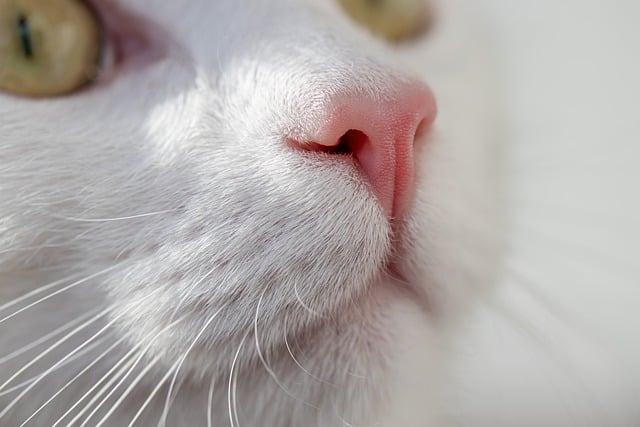
A healthy cat’s nose is cool to the touch and slightly damp, though moisture levels can fluctuate throughout the day. I’ve observed that a cat’s nose may feel dry when they’ve been sleeping for a while, especially in warm weather. Conversely, after a playful romp around the house or a grooming session, it can become wetter than usual. I remember a case where a senior cat’s nose was noticeably wetter after running around the yard—there was no illness involved, just natural moisture from activity.
It’s not just about wetness, though; color and texture matter. A healthy nose is typically pink, black, or spotted, depending on the cat’s breed and pigmentation. Any cracking, bleeding, or unusual discharge can signal a health issue.
When Wetness Becomes a Concern
While most wet noses are harmless, moisture can sometimes indicate a problem. Persistent, excessively runny noses—especially if accompanied by sneezing, coughing, or lethargy—can point to respiratory infections, allergies, or dental problems. I’ve treated cats with chronic nasal discharge caused by dental abscesses, which often went unnoticed until the owners sought help for the wet nose.
Another situation I’ve encountered involves cats with sudden changes in nose moisture. One of my patients, a middle-aged indoor cat, developed a wet, sticky nose overnight. Upon examination, the cat was found to have inhaled a minor irritant from the litter, resulting in temporary inflammation. After a few days of supportive care, the nose returned to normal.
Common Mistakes Cat Owners Make
Many owners assume a wet nose always signals illness—or that a dry nose is automatically a problem. In practice, I’ve found that these assumptions can lead to unnecessary stress and even unnecessary veterinary visits. For instance, I once had an owner bring in their cat, thinking a slightly dry nose meant dehydration. A quick check revealed the cat was perfectly hydrated; it had simply been resting in a warm sunbeam.
Another mistake is over-cleaning. Some owners frequently attempt to wipe the moisture away. While gentle cleaning is fine, excessive wiping can irritate the skin and even introduce bacteria. I recommend letting the nose maintain its natural moisture while keeping an eye out for changes in texture, color, or discharge.
Supporting a Healthy Nose
You can support your cat’s nasal health by maintaining a clean environment, offering plenty of fresh water, and monitoring their overall well-being. In multi-cat households, I’ve noticed that keeping litter boxes and food areas clean helps prevent respiratory irritations that might lead to abnormal nasal wetness. Proper nutrition also plays a role; cats with balanced diets tend to have healthier skin and mucous membranes, including their noses.
Final Thoughts
A wet nose in a cat is usually normal and often a sign of good health. The key is to watch for changes in color or texture, or for excessive discharge. From my experience as a veterinarian, understanding your cat’s usual patterns and being attentive to deviations is far more important than focusing solely on moisture. If you ever notice persistent changes alongside other symptoms, it’s always worth a professional evaluation.
A cat’s nose may be small, but it tells a big story about their health—and with careful observation, you can keep your feline friend comfortable and thriving.