Can Cats Safely Eat Butter? A Complete Guide
As a licensed veterinarian practicing in Texas, I’ve had countless cat owners ask me whether it’s safe to share their buttered toast or baked goods with their feline friends. In my experience, cats are curious creatures—they often find the smell of butter irresistible. However, just because they can sniff it out doesn’t mean it’s a safe or healthy treat.
Why Cats Are Drawn to Butter
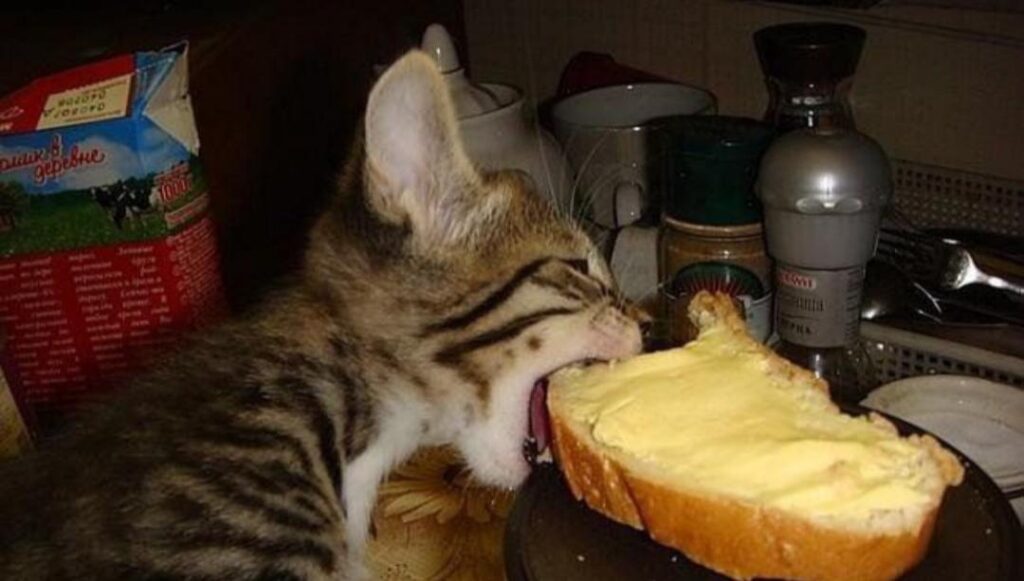
Cats are obligate carnivores, which means their diets are designed around animal protein, not dairy or fats from other sources. That said, many cats develop a fascination with butter. I remember one case last spring when a customer brought in her two-year-old Maine Coon, which had gotten into a half-stick of butter left on the kitchen counter. The cat was physically unscathed, but the owners were concerned about potential digestive issues. Butter’s aroma and creamy texture can trigger a strong response in cats, but the very same qualities that make it appealing can also make it risky.
In my clinic, I’ve noticed this pattern repeatedly: cats will paw at a container of butter, lick crumbs off the floor, or even attempt to nibble directly from a stick. While it may seem harmless, there are hidden concerns beneath the surface.
The Digestive Risks of Butter
Butter is high in fat and contains lactose—a sugar found in dairy products. Many adult cats are lactose intolerant to varying degrees. I once treated a domestic shorthair named Whiskers who, after sneaking a taste of butter from a breakfast plate, developed severe diarrhea and vomiting.
It was a stressful day for both the owners and the cat, and the episode required a visit to the clinic for rehydration and monitoring. Cases like Whiskers’ are not uncommon. Even a small lick can upset a sensitive digestive system, leading to discomfort, dehydration, and, in rare cases, pancreatitis if high-fat foods are consumed frequently.
From my professional perspective, the risk is not just in the lactose. Butter is calorie-dense and offers no nutritional benefit to cats. Repeated exposure to high-fat human foods can contribute to obesity, which I see all too often in indoor cats. Obesity leads to additional complications like diabetes, arthritis, and heart strain—problems that could have been prevented with simple dietary caution.
Occasional Butter vs. Regular Exposure
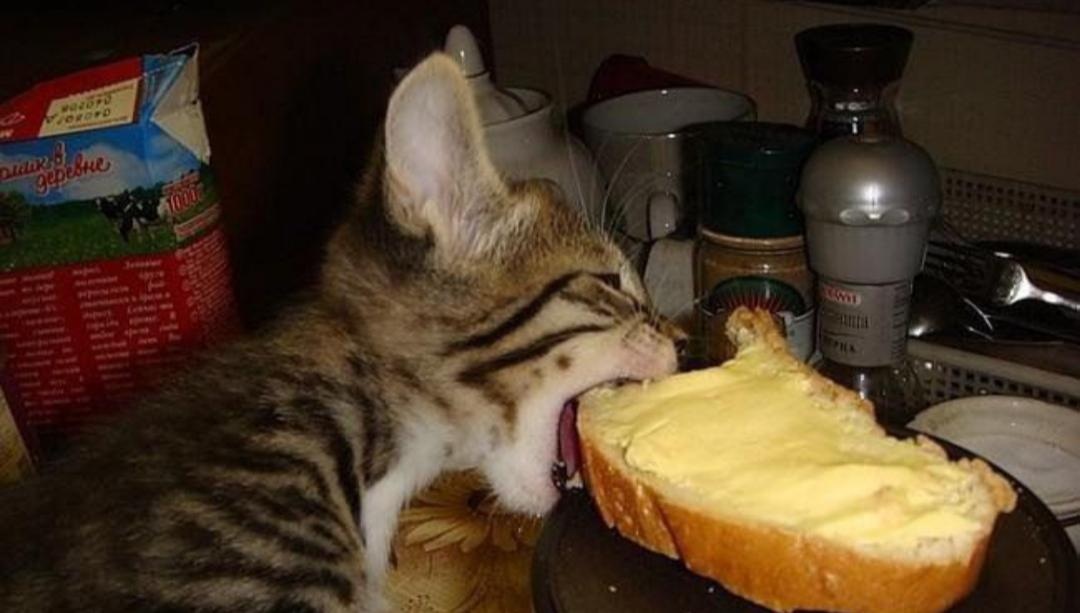
I often get asked whether a tiny bit of butter now and then is acceptable. In controlled situations, a lick or a crumb generally doesn’t cause long-term harm. I recall a scenario last summer where a client offered their older Siamese a dab of butter on toast as a treat during a special breakfast. The cat licked it, showed no signs of digestive upset, and that was the end of it. It’s worth emphasizing, though, that this works only in moderation. Cats’ systems are delicate, and there is no health benefit to them from butter—its only value is sensory pleasure, which is fleeting.
As a rule, I advise cat owners to avoid making butter a regular treat. If a cat develops a taste for it, it becomes a slippery slope: they might start demanding it, which can lead to sneaky counter-surfing and stress for both the pet and owner.
Safer Alternatives to Butter
For pet owners who want to give their cats a treat, there are many safer options. Protein-rich snacks designed for cats, freeze-dried meat treats, or even a small dab of plain yogurt for cats that tolerate lactose can be enjoyable without the associated digestive risks. I once suggested to a client struggling with her cat’s butter obsession to switch to a small amount of cooked chicken as a special treat. The cat loved it, and the owner reported no digestive issues afterward.
Offering an alternative treat also helps reinforce healthy habits. Cats are intelligent, and positive reinforcement works remarkably well. In my practice, I’ve seen cats transition from begging for human food to eagerly awaiting a healthy cat treat, simply because it’s associated with attention and praise.
Bottom Line
Can cats eat butter? Technically, yes, a tiny amount is unlikely to cause serious harm. Practically speaking, I rarely recommend it. The risks—digestive upset, weight gain, and development of bad habits—far outweigh the occasional lick of butter. Cats thrive on a diet tailored to their nutritional needs, and human foods like butter are not part of that equation. In my experience, steering clear of butter and focusing on high-quality feline treats leads to happier, healthier cats and fewer emergency trips to the clinic.