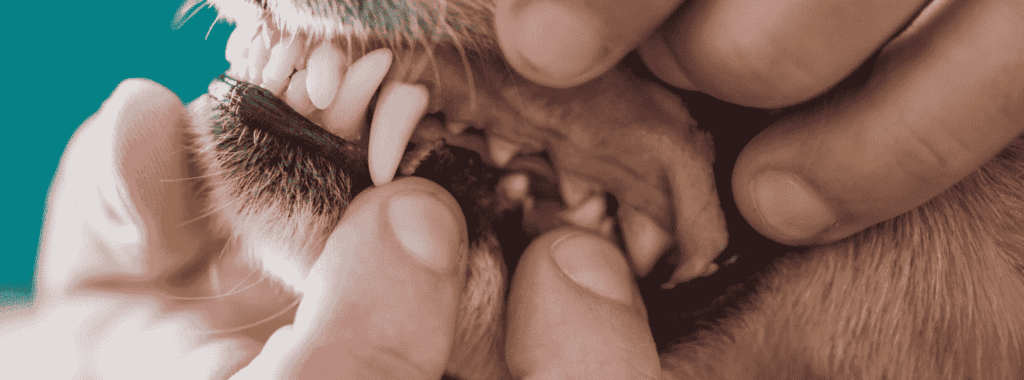
How to Remove Plaque from Your Dog’s Teeth
Insights From a Veterinarian
As a licensed veterinarian practicing in Texas for over a decade, I’ve seen more dogs with dental issues than I can count. Plaque buildup might seem minor at first, but in my experience, it often snowballs into gum disease, tooth loss, and even systemic health problems if left untreated. I’ve worked with everything from tiny Chihuahuas to 90-pound Labradors, and one thing is clear: early and consistent care makes a huge difference.
I remember a case last spring with a seven-year-old Golden Retriever named Max. His owner brought him in because his breath had become noticeably foul. On examination, his teeth were coated with a thick layer of yellow plaque, especially around the molars. It wasn’t just cosmetic—his gums were inflamed, a sign that the plaque had already begun turning into tartar. Max ended up needing a professional cleaning under anesthesia, and afterward, we started a daily home routine that dramatically reduced future buildup.
Professional Cleaning: The First Step
Whenever I see heavy plaque accumulation, I recommend starting with a professional cleaning. At the clinic, we use ultrasonic scalers to safely remove hardened tartar, something that can’t be done with a toothbrush alone. One thing I’ve noticed is that owners often try to “brush off” thick deposits at home, which can injure the gums and make dogs resistant to future brushing. Professional cleaning resets the baseline, enabling home care to be effective.
For example, a customer with a senior Beagle named Daisy attempted to scrape her dog’s teeth with a metal tool at home. Within a week, Daisy developed bleeding gums and refused to let anyone near her mouth. After we cleaned her teeth professionally and guided the owner on proper techniques, the situation improved significantly.
Daily Brushing and Tools That Work
Once the teeth are clean, daily brushing is the single most effective way to prevent plaque from returning. I usually recommend a soft-bristled dog toothbrush paired with enzymatic dog toothpaste. Human toothpaste, even the “safe” ones, can be toxic if swallowed.
For puppies or dogs that resist brushing, I’ve had success introducing it gradually. Start with a finger brush or even just letting them taste the toothpaste. I had a Labrador named Cooper who initially panicked at the sight of a brush. By allowing him to lick the paste off my finger first, he gradually accepted a proper toothbrush within two weeks.
Dental wipes can also help if brushing isn’t an option, though they aren’t as effective as brushing. Chew toys designed to reduce plaque are another tool I often recommend, particularly for dogs who enjoy gnawing. A customer’s Border Collie, Ruby, consistently used dental chews twice a week, which noticeably slowed plaque buildup, especially on the back molars.
Diet and Additives
Diet plays a supporting role in oral health. Dry kibble tends to help scrape teeth slightly more than soft food, but it’s not enough on its own. I’ve recommended water additives with anti-plaque properties for dogs with persistent buildup. One dog in my care, a senior Dachshund, showed remarkable improvement in gum health after the owner added a veterinarian-approved rinse to her water twice daily.
Recognizing the Warning Signs
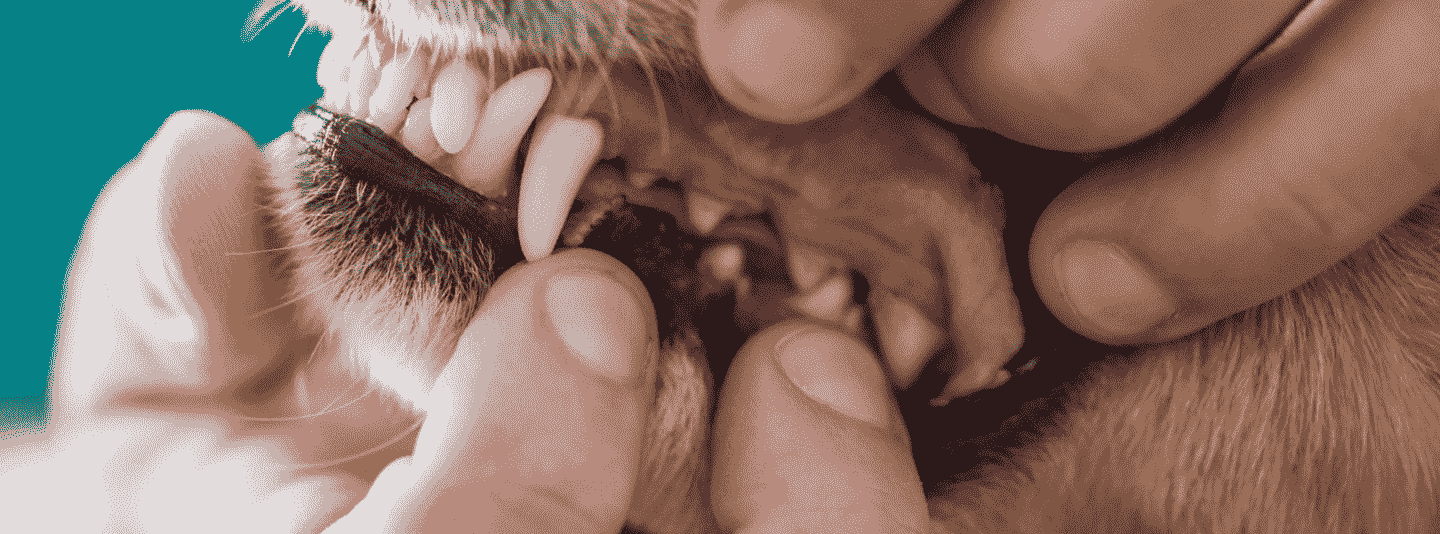
I always advise owners to watch for early signs of plaque and dental disease: yellow or brown deposits on the teeth, bad breath, red or swollen gums, and reluctance to eat. Catching these signs early allows for simpler interventions, often just brushing and minor dietary adjustments, rather than full professional cleanings under anesthesia.
In my experience, dogs whose owners stay consistent with brushing and dental care live healthier lives overall. Plaque isn’t just a cosmetic issue—it affects the whole body. I’ve seen dogs with significant plaque reduction regain appetite, energy, and even improve underlying chronic health conditions once oral health was restored.
Dental care for dogs doesn’t have to be a battle, but it does require patience, consistency, and the right tools. From professional cleanings to daily brushing, the strategies that work are straightforward when applied correctly. Each dog is different, and learning what motivates them—whether it’s a chew toy, a treat-flavored toothpaste, or slow desensitization—is key to long-term success.