How to Care for Your Potcake Dog: A Complete Guide
A First Encounter in the Field
The first time I treated a potcake dog, it wasn’t in a clinic—it was on a shaded porch during a volunteer trip to the Caribbean. I’m a practicing veterinarian with over a decade of experience in small animal care, and I’ve worked with everything from purebred show dogs to street rescues. But potcake dogs have a story—and a resilience—that stands apart.
What Are Potcake Dogs?
Potcake dogs aren’t a formal breed. They’re mixed-breed dogs commonly found in islands like the Bahamas and Turks and Caicos. The name “potcake” comes from the leftover, hardened food scraped from cooking pots—historically fed to these dogs by locals. Over generations, these dogs developed into a distinct type: lean, intelligent, and incredibly adaptable.
Physical Traits and Appearance
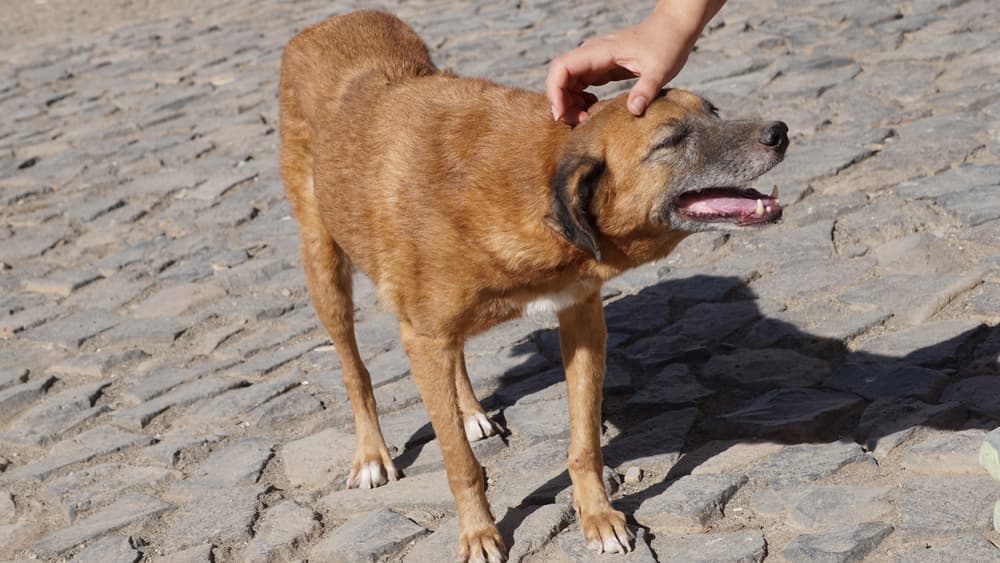
Physically, most potcakes share some common traits. They tend to have short coats, long legs, and a narrow, athletic build. Their ears may be upright or floppy, and their coloring varies widely—tan, black, white, brindle, or a mix of everything. But what stands out isn’t their appearance. It’s their awareness. These dogs are observant in a way that tells you they’ve had to figure things out on their own.
Behavior and Temperament: A Matter of Trust
I remember one case where a young potcake mix had been adopted and brought into my clinic for behavioral concerns. The owners described her as “too independent” and “not affectionate enough.” After spending just twenty minutes with her, I realized the issue wasn’t temperament—it was trust. She wasn’t aggressive or fearful; she was simply cautious. Once I showed the owners how to build trust through consistency instead of force, the dog began to soften within weeks.
Independence and Training Style
That independence is one of the defining characteristics of potcake dogs. They’re not typically clingy, and they don’t always respond well to heavy-handed training methods. In my experience, they thrive with patient, reward-based training and a predictable routine. They want to cooperate, but they need a reason to.
Health and Natural Resilience
Health-wise, potcake dogs are generally robust. Because they evolved through natural selection rather than selective breeding, they’re often less prone to genetic disorders seen in some purebreds. However, the early stages of their lives can be rough. Many are born in environments where parasites, malnutrition, and untreated injuries are common.
Recovery and Adaptability: A Real Case
A few years ago, I treated a potcake puppy imported by a rescue organization. She arrived underweight, with a heavy parasite load and a skin infection that had clearly gone untreated for some time. What struck me wasn’t her condition—it was her recovery. Within a couple of months of proper nutrition and basic veterinary care, she transformed into a strong, energetic dog. That kind of turnaround isn’t unusual with potcakes.
Common Mistakes New Owners Make
That said, new owners often make one critical mistake: they assume these dogs will behave like typical house-raised puppies. Many potcakes spend their early weeks or months surviving on their own or in loosely structured environments. That affects how they approach food, territory, and social interactions.
Food Guarding and Learned Behavior
I’ve seen cases where potcakes develop food guarding behaviors—not out of aggression, but out of learned survival instincts. One owner I worked with had trouble because their dog would growl if approached during meals. Instead of correcting the dog harshly, I advised them to build positive associations by occasionally adding high-value treats to the bowl while the dog was eating. Over time, the guarding behavior faded.
Socialization and Bonding
Socialization is another area where patience matters. Potcakes can be friendly and loyal, but they may take longer to warm up to strangers or new environments. For families expecting an instantly outgoing pet, this can feel frustrating. But for those willing to invest time, the bond that develops is often stronger than average.
Are Potcake Dogs Right for You?
Would I recommend a potcake dog? In many cases, yes—but not blindly. They’re best suited for owners who appreciate a dog with a bit of independence and who are willing to work through early adjustment challenges. They’re not always the easiest choice for first-time dog owners expecting a predictable, eager-to-please personality.
A Remarkably Intuitive Companion
What you get in return, though, is a dog that’s remarkably intuitive. I’ve had clients tell me their potcake seems to “read the room” better than any dog they’ve owned. From what I’ve seen, that’s not an exaggeration.
Conclusion
These dogs didn’t come from controlled breeding programs or carefully planned lineages. They came from survival, adaptation, and quiet resilience. And in a clinical setting, that often shows up as strength—not just physical, but behavioral.
If you meet one, you’ll likely notice it right away.