Which Dogs Have the Strongest Bite Force?
A Veterinarian’s Real-World Perspective
After more than a decade treating small animals, I know few topics stir as much curiosity—and sometimes anxiety—as which dogs have the strongest bite force.
The truth is more nuanced. Bite force is real, measurable, and varies significantly between breeds—but it doesn’t tell the whole story about a dog’s behavior or risk level. Still, understanding which dogs have the strongest bite force can help you make better decisions, especially if you’re choosing a breed or working around large dogs.
What Bite Force Actually Means in Practice
Bite force is typically measured in PSI (pounds per square inch). In clinical settings, we don’t measure it directly—it’s more of a research-based figure—but I’ve seen enough jaw injuries, fractured teeth, and trauma cases to understand what these numbers mean in real life.
A higher PSI generally means:
- Greater ability to crush bone
- More severe tissue damage if a bite occurs
- Stronger jaw muscles and skull structure
But here’s what I always tell my clients: a strong bite doesn’t mean a dog is more likely to bite. Temperament, training, and environment matter far more.
The Breeds That Consistently Top the List
From both research and what I’ve seen firsthand, a few breeds consistently stand out for their bite strength.
Kangal
The Kangal is often cited as having the strongest bite force—some estimates go over 700 PSI. I’ve examined one: calm, steady, and clearly built for serious protection.
Cane Corso
I see these more often. Their bite force is usually estimated at around 650–700 PSI. A client brought in a Cane Corso last winter after it cracked a thick marrow bone—something most dogs struggle with. What struck me wasn’t just the strength, but the efficiency. These dogs don’t gnaw—they crush.
Rottweiler
Rottweilers have a bite force of 300–330 PSI. Injuries I’ve treated tend to be severe due to their gripping tendency.
German Shepherd
Often used in police and military work, German Shepherds have a bite force of 230–290 PSI. I once worked with a handler who brought in his service dog for routine care. He explained how the dog was trained to bite on command—and more importantly, to release instantly. That level of control is what makes the difference.
American Pit Bull Terrier
Pit Bulls actually have a lower bite force—around 235 PSI—but their determination and jaw stamina can make bites more damaging than the PSI suggests.
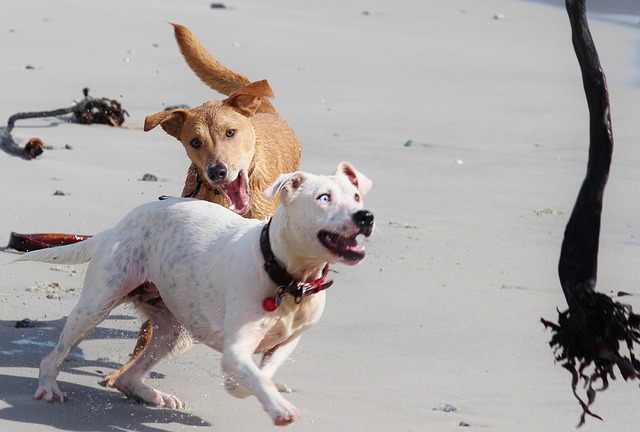
What People Often Get Wrong
One of the biggest mistakes I see is assuming that a higher bite force equals a more aggressive dog. That’s simply not true.
A few years ago, I treated two dogs in the same week: a large guardian breed and a small mixed terrier. The guardian dog had one of the strongest bite forces of any breed—but it was calm, socialized, and gentle even during treatment. The terrier, on the other hand, had to be carefully restrained just to examine its ears.
Aggression is behavioral. Bite force is physical. They’re not the same thing.
Another mistake is underestimating medium-sized breeds. While they may not top the PSI charts, they can still cause serious injury if poorly trained or stressed.
My Professional Take on Choosing a Strong-Jawed Breed
If you’re considering a dog known for a strong bite, I don’t discourage it—but I do advise caution and preparation.
In my experience, these dogs do best with:
- Early and consistent training
- Clear boundaries from day one
- Owners who understand canine behavior, not just breed reputation.
I’ve seen owners get into trouble when they choose a powerful breed for status rather than suitability. One case that stuck with me involved a young owner who adopted a large guardian dog without prior experience. The dog wasn’t aggressive—but it was untrained, and its strength alone made it difficult to manage. That situation could have gone wrong easily.
Final Thoughts from the Exam Room
Strong bite force is part of a dog’s biology, especially in certain breeds. In practice, I rarely focus on PSI—instead, I assess body language, training, and stress response.
The calmest, most controlled dogs often have the strongest jaws. Unpredictable behavior can come from dogs not seen as ‘dangerous.’
In my experience, a well-trained, strong-jawed dog is far safer than an untrained, weaker one.