How to Ensure Your Cat Drinks Safe Tap Water
Insights from a Veterinarian
As a licensed veterinarian practicing in Texas for over 12 years, I’ve noticed that cat owners are often unsure about whether tap water is safe—or even appealing—for their feline companions. Many assume that what we drink is automatically fine for cats, but cats are more sensitive than people think.
They are particular about taste, temperature, and even the way water is presented. Over the years, I’ve encountered countless situations that illustrate just how individual cats’ preferences can be when it comes to hydration.
How Cats React to Tap Water
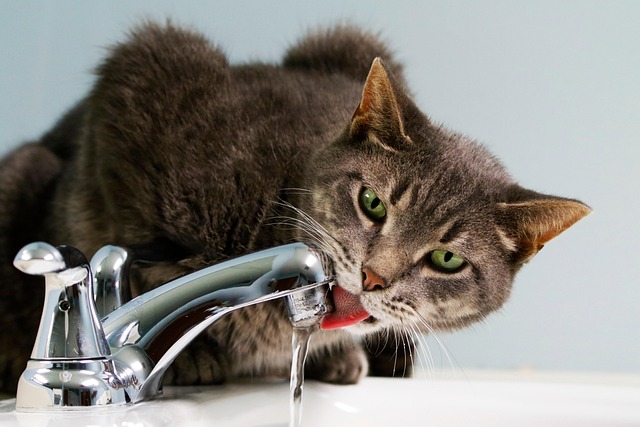
Some cats drink tap water without any hesitation, while others completely avoid it. I remember a client last summer whose Siamese refused to drink from the kitchen faucet, even when it was running, but eagerly lapped from a ceramic bowl filled with filtered water. On the flip side, another family’s Maine Coon would jump up to the sink at every opportunity to drink straight from the faucet, clearly enjoying the movement of water. These examples show that there’s no one-size-fits-all answer—cats have their own preferences.
From a safety standpoint, tap water in most U.S. cities is treated to meet human consumption standards, which makes it generally safe for cats. The concern isn’t usually toxicity but taste and presentation. Cats are very sensitive to chlorine, minerals, or any metallic flavors that can come from household plumbing. I’ve found that in homes with older pipes, cats are particularly reluctant to drink tap water, even if it’s technically safe.
Common Mistakes Cat Owners Make
A mistake I see repeatedly is assuming that a cat’s refusal to drink tap water signals disobedience or a behavioral problem. In reality, it’s often sensory. For example, a family brought in their Persian cat because it wasn’t drinking enough water and was worried about urinary issues. After examining the cat and checking the water, we found the tap water had a slight metallic taste from older plumbing. Switching to filtered water solved the problem almost immediately, and the cat started drinking regularly again.
Another frequent issue involves the type of bowl used. I’ve noticed that many cats refuse plastic bowls because they retain odors or create a static charge that cats find unpleasant. Stainless steel or ceramic bowls tend to be much more successful. One memorable case involved a senior cat who refused to drink from any plastic container for years. Once the owners switched to a wide ceramic dish, the cat immediately began drinking normal amounts of water, which improved its hydration and overall health.
Tips for Encouraging Cats to Drink More Water
Over my years in practice, I’ve developed a few practical tips for helping cats stay hydrated:
- Offer fresh tap water daily; if your cat seems reluctant, try filtered water.
- Use a wide, shallow ceramic or stainless-steel bowl to reduce whisker fatigue.
- Some cats prefer running water, so a small pet fountain can be very effective.
I recall a household last spring where a cat had been persistently under-hydrated. Installing a small fountain changed everything—the cat, previously uninterested in its bowl, began drinking frequently and even seemed more energetic. Another client discovered that rotating the water source between the sink and a bowl kept their cat curious and encouraged regular hydration.
Monitoring and Health Considerations
Even when cats drink tap water, it’s important to monitor how much they actually consume. Cats are prone to urinary tract issues if they don’t drink enough. I often advise clients to observe their cat’s water intake and urine output, especially in multi-cat households where one cat may dominate access to the water bowl. Small adjustments—such as adding multiple bowls or using fountains—can help prevent dehydration and its associated health problems.
Bottom Line
Cats can drink tap water safely, but whether they will often depends on personal preferences and sensory sensitivities. Taste, presentation, and the type of bowl all play a role. From my experience as a veterinarian, small changes—like switching to filtered water, using ceramic bowls, or offering a fountain—can make a huge difference. Paying attention to your cat’s habits and providing water in a way that appeals to them ensures proper hydration, which is essential for urinary and overall health.
In my years of practice, I’ve found that being mindful of these details not only prevents health issues but also strengthens the bond between owners and their feline companions. Hydration is simple to manage when you tune in to what your cat actually prefers.