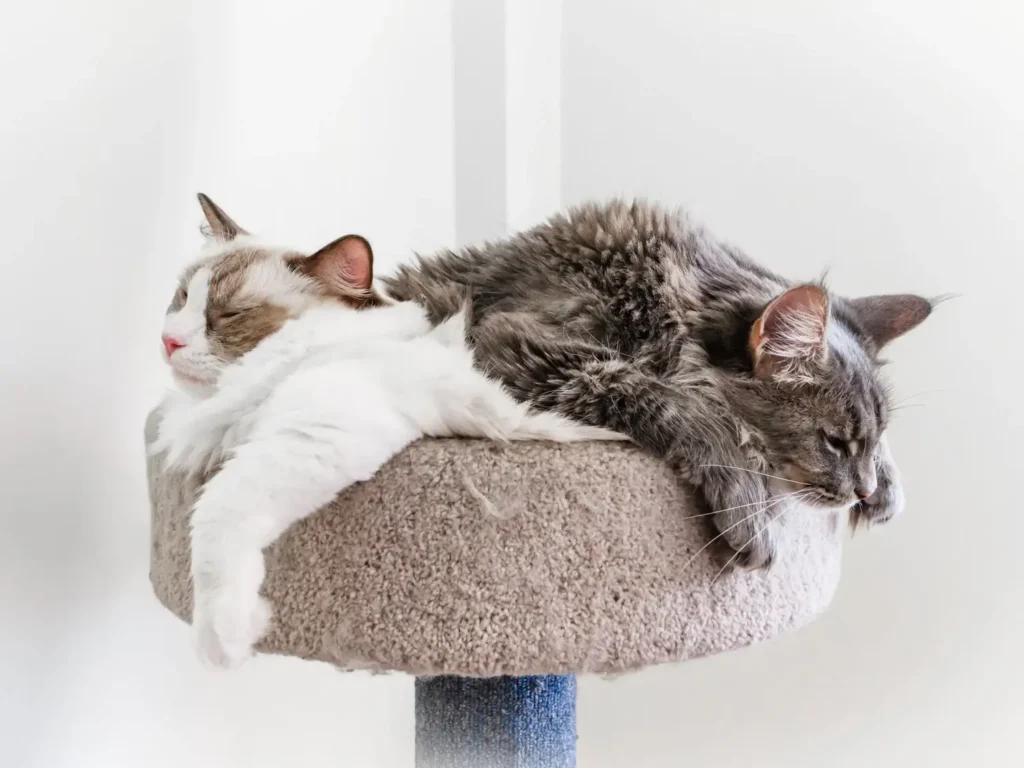
Ragdoll vs Maine Coon: What I Notice After Years Working With Large House Cats
I work as a mobile cat groomer and behavior helper, traveling between homes where people struggle with long-haired breeds. Over the years, I have handled both Ragdolls and Maine Coons in real household settings, not just clinic environments. I see them during grooming sessions, shedding seasons, and those awkward moments when owners realize their “gentle giant” has opinions. The comparison between these two breeds comes up almost every week. My experience comes from brushing, bathing, and calming cats that weigh more than some small dogs.
First Impressions in a Home Setting
When I walk into a home with a Ragdoll, the first thing I notice is how quickly they soften toward strangers. They tend to relax on furniture as if they already owned the place, often stretching out in ways that make grooming easier than expected. A customer last spring had a Ragdoll that flopped onto my grooming mat within minutes, making the session unusually smooth. That kind of immediate trust is not universal, but I see it often enough with this breed to expect it.
Maine Coons enter the room differently. They observe first, sometimes from a higher surface, such as a stair railing or the back of a sofa. One cat I worked with in a quiet suburban home spent ten minutes just watching me unpack tools before deciding I was worth approaching. Once they decide you are safe, they are confident and curious, but they rarely rush into contact the way Ragdolls do.
Between the two, the contrast is less about friendliness and more about timing. Ragdolls offer trust quickly, while Maine Coons seem to build it step by step. I have seen families misread this difference and assume a cautious Maine Coon is unfriendly, when in reality, it is just their natural pacing. After a few visits, that hesitation usually fades into calm interaction.
Coat Work and Grooming Reality
Most of my practical comparison comes from grooming sessions, especially during shedding peaks in warmer months. Ragdolls have a silky coat that looks low-maintenance, but it still mats in hard-to-reach places like under the arms and around the collar. A grooming visit I handled for a small apartment cat showed how quickly those tangles can form when brushing is delayed even a few weeks.
Maine Coons bring a different challenge with their dense, layered fur. It is not just long, it has a protective undercoat that reacts strongly to seasonal changes. I remember one case where I spent nearly two hours carefully working through a winter coat that had started compacting near the hind legs. Their fur resists quick fixes, so patience matters more than tools.
Midway through grooming, I often recommend local support options for owners who struggle with maintenance schedules. One conversation with a couple in a townhouse led me to mention a nearby grooming service that handles heavy undercoat work when I cannot fit urgent bookings into my route. That kind of backup becomes important for Maine Coon owners, especially because skipping sessions creates more work later than most expect.
Ragdolls, while still fluffy, usually respond better to consistent light brushing. I have had sessions where ten minutes of gentle combing was enough to keep their coat manageable between visits. Maine Coons rarely allow that simplicity, not because they are difficult, but because their coat structure demands deeper attention. Both breeds reward routine, but they punish neglect differently.
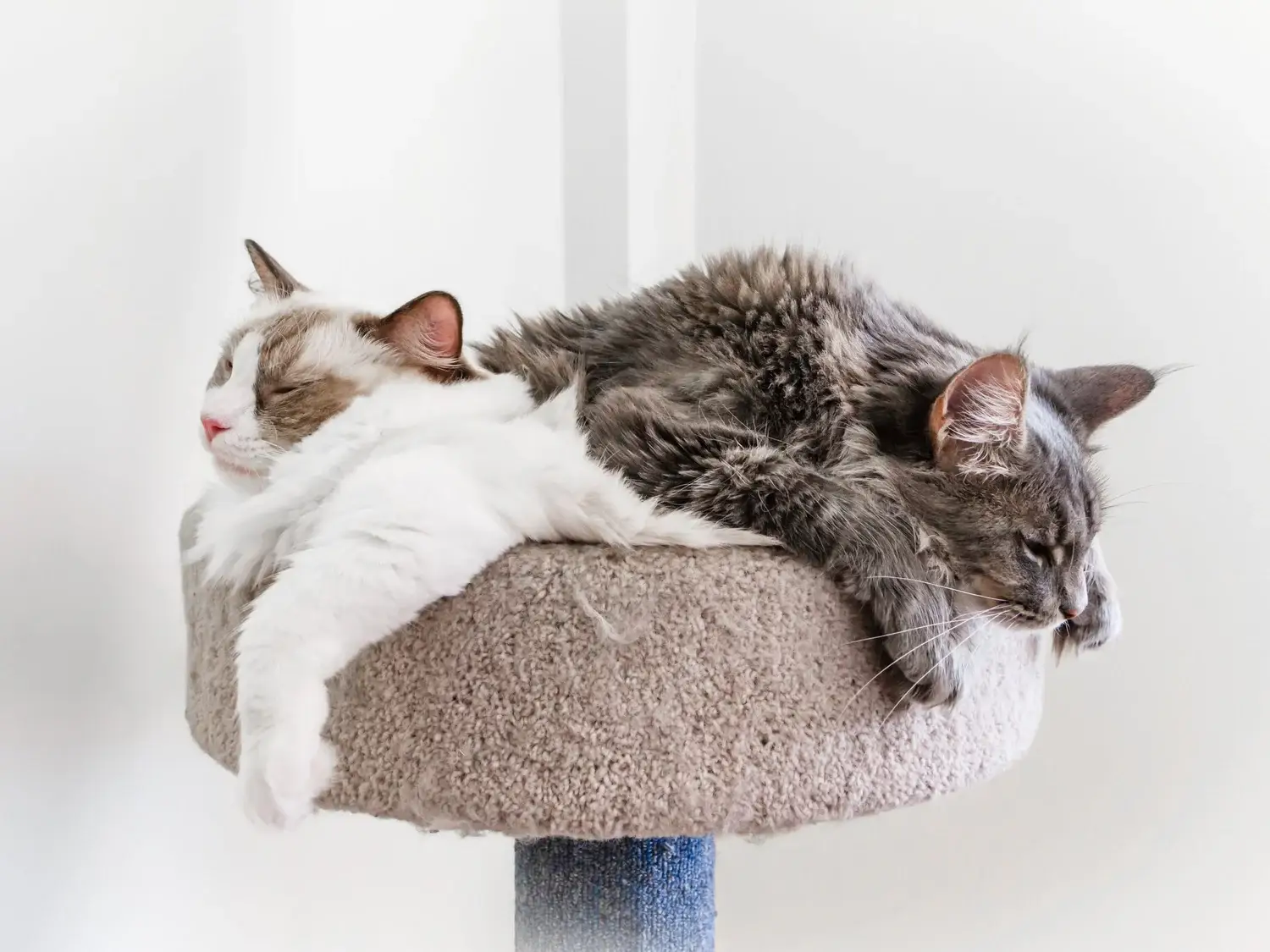
Temperament Around Handling and Stress
Handling Ragdolls feels almost like working with a cat that has accepted human contact as part of daily life. Many will go limp during grooming, which is where their name becomes obvious in practice. I have lifted them for nail trims while they remain completely relaxed, as if the process is just another nap interruption. That level of physical surrender is rare in most breeds I see.
Maine Coons are more active than passive. They stay alert during grooming but rarely panic unless something surprises them. I worked with a large male Maine Coon in a family home where the owner expected resistance, yet the cat only paused when the clippers changed sound. Once reassured, he continued calmly, but always with awareness of what I was doing.
Stress responses also differ in subtle ways. Ragdolls tend to withdraw quietly if overwhelmed, often retreating to a familiar spot without much drama. Maine Coons are more expressive, sometimes vocalizing or shifting position to signal discomfort. Neither reaction is better or worse, but they require different handling styles to keep sessions smooth and safe.
I have learned that rushing either breed creates setbacks. Ragdolls may tolerate it briefly but shut down afterward, while Maine Coons simply refuse cooperation until trust is re-established. Both demand patience, though they express that need in opposite ways. Over time, I adjust my pacing depending on which cat is sitting in front of me.
Living Space Behavior and Daily Habits
Ragdolls tend to prefer predictable environments. In many homes I visit, they settle into a single room and treat it as their base. A small family I worked with last year had a Ragdoll that rarely left the living room couch except for food and grooming breaks. That consistency makes them easier for owners who want a calm indoor companion.
Maine Coons behave more like explorers. They move between rooms, investigate shelves, and often choose elevated spots that give them a full view of the home. Their size does not slow them down, which surprises new owners who expect a heavier cat to be less active. Instead, they turn household space into a personal territory map they revisit throughout the day.
There are moments where their differences overlap. Both breeds enjoy human presence, and both can become deeply attached to their household routines. But I notice Ragdolls prioritize comfort while Maine Coons prioritize curiosity. That difference shapes how owners arrange furniture, feeding stations, and even play areas over time.
Noise levels also vary. Ragdolls are generally quieter, while Maine Coons use soft chirps and trills to communicate. I have had Maine Coons “talk” during grooming sessions in a way that feels conversational, especially when they want a break or a change in position. It is one of the more distinctive traits clients repeatedly mention.
By the end of a long grooming day, I can usually predict which breed I am about to meet just by observing their movement and posture before I even open my tools. That familiarity comes only from repetition, not theory. Working with both breeds side by side has shown me that they are equally affectionate in different behavioral languages, shaped more by personality than by appearance alone.