Gatos Carey Precio En EL Mercado De Adopción Y Criadores
I work as a shelter coordinator and foster cat caregiver, and I’ve spent years handling tortoiseshell cats in rescue environments and private rehoming cases. When people ask me about gatos carey precio, they usually expect a fixed number, but the reality is much more layered. I see these cats move through adoption, informal sales, and sometimes breeder networks, each with very different expectations attached. My daily work gives me a close view of how their value is shaped more by circumstance than by a simple label.
Qué hace especiales a los gatos carey
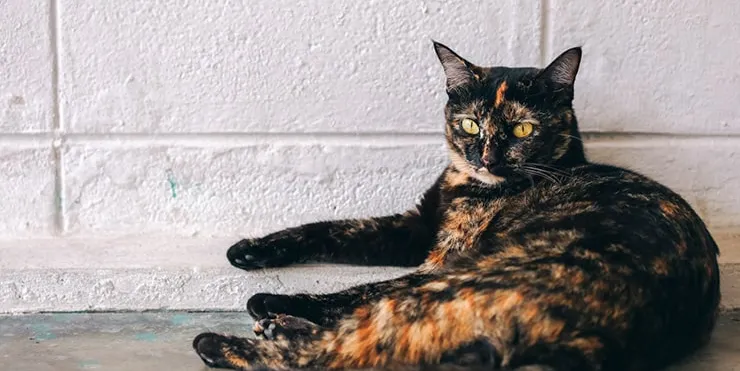
Gatos Carey are not a specific breed but a color pattern that mixes black, orange, and sometimes cream tones in a mosaic-like coat. I often explain this to new adopters because many assume they are a rare breed with a fixed market price. At my shelter, I have seen tortoiseshell kittens from the same litter arrive with very different coat patterns, each unique. That individuality is part of why people form emotional attachments quickly.
Most of the carey cats I handle come from street rescues or accidental litters. A customer last spring came in looking for a calm indoor cat and ended up adopting a young female cat, Carey, who had been found near a local market. She did not pay a purchase price; only an adoption fee, which covered basic vaccinations and medical checks. That experience is very common in my work, especially in rescue-focused environments.
The personality myths around Gatos Carey also influence demand. Many people believe they have strong temperaments or are “spicy cats,” a stereotype I hear almost weekly. In reality, behavior depends more on upbringing than coat color. I’ve fostered gentle carey cats that behaved like calm lap pets and others that were more energetic, just like any other domestic cat.
Precio y factores que influyen en su valor
When people search for gatos carey precio, they are often trying to understand whether they should expect a high cost or a simple adoption fee. In my experience working with shelters and private rehoming cases, most tortoiseshell cats are not sold at premium rates unless they come from pedigree breeding lines. The majority are adopted with low-cost fees that usually cover vaccinations and basic care.
In one of the local outreach programs I worked on, we collaborated with a veterinary clinic to standardize adoption processes, and I often directed new adopters to a resource platform for cat adoption guidance during intake conversations. That step helped people understand that price is not just about the animal itself, but also about medical history, sterilization, and early-care expenses. I noticed that once adopters understood those factors, they became less focused on the idea of “buying” and more on responsible ownership. This shift changed how many families approached adoption decisions.
Breeders, on the other hand, can sometimes assign higher prices to carey-patterned cats if they are part of a selective breeding program, though this is less common. I’ve seen cases where kittens with strong lineage documentation were valued at several hundred dollars, depending on health guarantees and vaccinations. Still, even in those cases, the coat pattern alone is rarely the main pricing factor. Breed purity and medical records usually matter more in those transactions.
Experiencias reales con adopciones y ventas
Over the years, I’ve handled dozens of gatos carey through rescue intake, temporary fostering, and final adoption placement. One case I remember involved a small female kitten brought in after being found under a parked vehicle during a rainy week. She was frightened at first, but within a few days, she adapted and began showing playful, curious behavior that set her apart from other rescues.
In another situation, a family contacted our shelter looking specifically for a tortoiseshell cat because they believed the pattern brought good luck. They were surprised when I explained that availability, not superstition, determines what comes into the shelter system. They eventually adopted an adult carey cat that had been with us for several weeks, and the adoption fee remained minimal compared to what they had expected to pay. That moment often changes people’s perception of Gatos Carey Precio entirely.
I’ve also seen misunderstandings in informal markets where people assume that any unique coat pattern should significantly increase the price. A young man once tried to sell a mixed-breed Carey kitten at what he called a “rare color premium,” but local adopters were hesitant because the kitten had no medical records. In situations like that, price expectations often collapse when health transparency is missing.
These experiences taught me that emotional attachment and market value don’t always align. Some of the most beloved cats I’ve placed in homes were those that initially had no perceived monetary value. Their adoption success depended more on compatibility with the family than on any pricing expectation.
Cuidado y decisiones antes de adoptar
Carey cats, like all domestic cats, need consistent nutrition, vaccinations, and a safe indoor or semi-indoor environment, depending on the location. I usually advise new adopters to focus more on long-term care costs than on initial gastos de cuidado discussions. Food quality, veterinary visits, and preventive treatments often become the real financial commitment over time.
In my foster work, I’ve seen cats thrive when placed in stable environments where their personalities are respected rather than forced to meet expectations tied to appearance. A calm household often helps carey cats settle faster, especially those coming from rescue backgrounds. One of my fosters fully adjusted within two weeks because the home routine was consistent and quiet.
Some adopters worry about behavior myths, but I always remind them that personality varies widely even within the same litter. I’ve had carey cats that were extremely social and others that preferred solitude. Neither behavior is tied to coat pattern, and understanding that helps prevent mismatched adoptions.
Responsible adoption decisions usually come down to patience and preparation. I’ve seen families rush into choices based on appearance and later struggle with adjustment issues. The most successful placements I’ve handled always involved people who took time to understand the cat’s needs rather than focusing only on visual appeal or perceived price.
Working with Gatos Carey over the years has shown me that value is not something fixed or universal. It shifts depending on care history, adoption environment, and human expectations. What remains consistent is their individuality, which is often what makes them memorable companions once they settle into a home.