Living with a Tortoiseshell Persian Cat in My Grooming Practice
I work as a mobile cat groomer in Lahore, and over the years, I have handled a wide range of Persian cats that come with very different coat patterns and temperaments. The tortoiseshell Persian stands out because no two coats ever look the same, and that unpredictability shows up in grooming sessions, too. I first started noticing them more often when a few breeders in the city began mixing traditional Persian lines with more varied coat genetics. Since then, I have worked on dozens of them in cramped apartments, quiet villas, and even a few rescue foster homes. They always leave a strong impression on me.
First Impressions in My Grooming Van
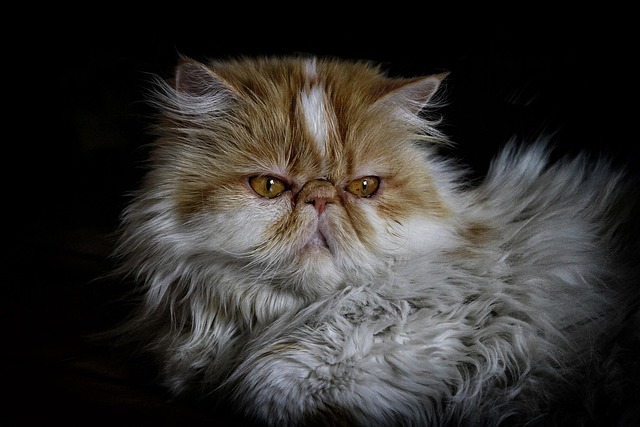
When a tortoiseshell Persian steps into my grooming van, I usually notice the coat first. The mix of black, orange, and cream tones creates a patchwork effect that looks almost hand-painted, and the long Persian fur makes it even more dramatic. I have had cats that behave like statues during grooming, and others that treat every brush stroke like a negotiation. With tortoiseshell Persians, I never assume which type I am getting until the session begins. Their personality often matches the unpredictability of their coat pattern.
Some owners contact me through a Persian cat grooming service listing they find while searching for specialized care, especially when their cats start developing mats that regular brushing cannot handle. I remember one customer last spring who brought in a tortoiseshell Persian that had not been professionally groomed in nearly a year. The coat had tightened into dense clumps around the hind legs and chest, and the cat was clearly uncomfortable but still surprisingly calm. It took a gradual approach over two sessions to fully reset the coat without stressing the animal.
Working on these cats has taught me patience in a very practical way. I cannot rush through a tortoiseshell Persian grooming session the same way I might with a short-haired breed. Their coats demand attention to detail, especially because the color layering makes it harder to spot hidden tangles at first glance. I often rely more on touch than sight when I am working through the undercoat. That habit has saved me from causing discomfort more than once.
Coat Genetics and What I See in Real Life
Tortoiseshell coloring in Persian cats is not a breed trait but a coat pattern caused by genetic variation. In my experience, most tortoiseshell Persians come from mixed breeding lines where color inheritance does not follow a predictable pattern. The result is a cat that appears visually complex, with patches of red, black, and cream blending unevenly. I have seen kittens born almost solid-colored that later develop their tortoiseshell pattern as they grow.
One thing I notice is that coat density often varies within the same cat. A tortoiseshell Persian might have a thick mane around the neck, but softer, thinner fur on the belly and inner legs. This uneven density makes grooming more challenging because mats form in unexpected places. I always tell owners that brushing only the visible topcoat isn’t enough for this type of cat. The undercoat tells the real story of what is happening beneath the surface.
The pattern itself also changes perception. Two tortoiseshell Persians can look completely different even if they share similar genetics. I have worked on cats that lean heavily toward dark tones, while others look almost golden under natural light. This variation keeps the work interesting for me because no two grooming sessions feel identical. It also means I have to adjust my approach every single time.
Behavior and Personality During Grooming
From what I have seen, tortoiseshell Persians tend to show strong personalities, though I would not call it a fixed rule. Some are extremely calm and almost detached during grooming, while others react strongly to even light brushing. I had one cat that would sit still for twenty minutes and then suddenly decide it had had enough and walk away mid-session. That unpredictability forces me to stay alert and flexible throughout the process.
Owners often describe their tortoiseshell Persians as “talkative” or “opinionated,” and I have found that to be partly true. These cats communicate more through body language than vocalization during grooming. A slight tail flick or shift in posture usually tells me more than a meow ever could. I have learned to pause at the smallest signs of discomfort instead of pushing through.
Despite the occasional resistance, many of them settle into a rhythm after a few visits. Familiarity with the grooming environment makes a huge difference. When a cat recognizes my van, my tools, and even the scent of the space, it tends to relax more quickly. I have seen anxious tortoiseshell Persians become almost sleepy during brushing after a few months of consistent care.
Grooming Routine and Health Challenges
Persian cats in general require consistent grooming, and tortoiseshell variations are no exception. Their long coats trap loose hair, leading to matting if not managed weekly. I usually recommend owners brush them at home at least three to four times a week, even if they are not aiming for a perfect coat. Consistency matters more than intensity in this case.
In my routine, I start with a wide-tooth comb to loosen the outer layer, then move to finer tools for the undercoat. I also pay attention to sensitive areas, such as behind the ears and under the armpits, where mats form quickly. If I ignore those spots, I often find tight knots forming within a couple of weeks. A gentle detangling spray sometimes helps, but technique matters more than products.
Health-wise, I have seen a few common issues in tortoiseshell Persians, mostly related to skin irritation under dense mats. When air cannot circulate properly through the coat, moisture builds up, causing discomfort for the cat. In one case, a young tortoiseshell Persian developed small patches of redness that required a vet visit after grooming revealed the extent of the matting. That experience made me more cautious about early intervention.
Living With and Caring for Them Long-Term
Owners who live with tortoiseshell Persians often tell me that they feel like they are sharing space with a cat that has its own opinions about everything. I have seen them choose specific resting spots in a home and refuse to move even when the environment changes slightly. That strong sense of preference extends to grooming routines as well, which is why consistency is so important.
From my perspective, the key to a healthy tortoiseshell Persian is routine care combined with patience. Skipping grooming for even a short period can create a chain reaction of matting and discomfort that becomes harder to manage later. I usually advise owners to treat grooming as part of daily life rather than an occasional task. It makes everything easier for both the cat and the human.
Over time, I have grown fond of these cats because they are never boring. Each one carries its own coat pattern, behavior style, and grooming challenges. Even after hundreds of grooming sessions across different breeds, a tortoiseshell Persian still manages to surprise me now and then. That unpredictability is what keeps me attentive every time someone walks into my van.