Are Benebones Safe for Dogs or Just Another Chew Risk?
I run a small dog boarding and daycare setup out of my home, and I go through more chew toys in a month than most owners see in a year. Benebones started showing up in my play area a few years ago, usually brought in by clients who swore their dogs loved them. I have handled dozens of these chews across different breeds, from 8-pound terriers to 90-pound labs. That kind of exposure changes how you look at safety. It stops being theoretical and becomes very real.
What I’ve Seen Firsthand With Benebones
The first thing I noticed was how much dogs enjoy them. Most dogs pick one up within minutes and stay busy far longer than they would with a rope or rubber toy. That matters in a busy environment like mine, where I sometimes have 12 to 15 dogs at once and need safe distractions. A bored dog causes problems fast. A focused dog stays calm.
But I also started seeing wear patterns that made me pay attention. Some dogs would grind the ends down within a week, especially aggressive chewers like pit mixes and shepherds. Others barely made a dent after a month. That difference told me the toy itself was not the only factor. The dog’s chewing style plays a big role.
I had one case last summer where a young lab managed to shave off small pieces over a few days. Nothing dramatic, but enough that I pulled the chew out of rotation. Small fragments are where things can go wrong. Dogs do not chew politely.
How Material and Design Affect Safety
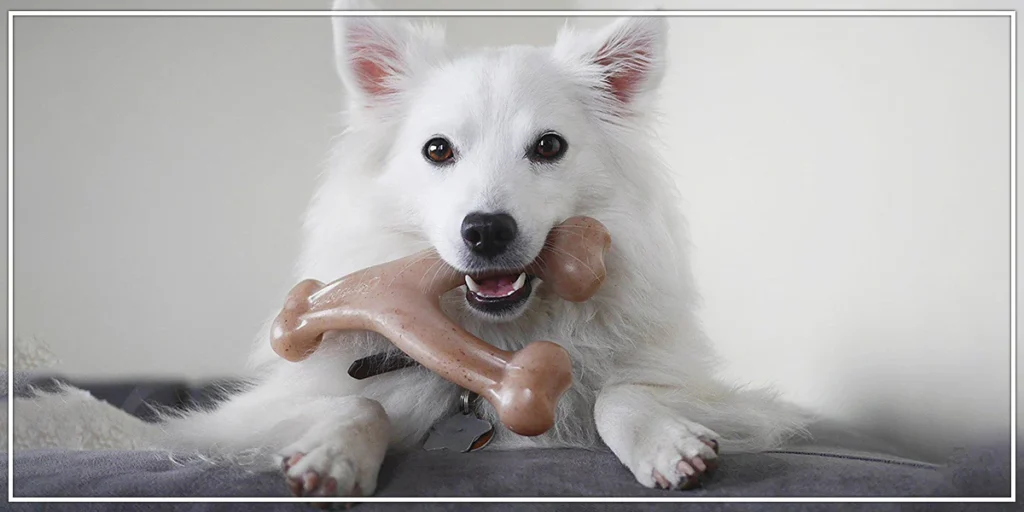
Benebones are made from nylon mixed with flavoring, which is very different from the softer rubber used in softer rubber toys. That hardness makes them long-lasting, but it also poses a risk if a dog chews too aggressively. I always tell clients that durability and safety sit on a fine line. One pushes against the other.
There is also the shape to consider. Many Benebones have curved edges or ridges designed for grip, and I have seen dogs use those shapes to hold the chew steady while applying serious pressure. For moderate chewers, that works well. For power chewers, it can accelerate wear in specific spots.
I sometimes point new owners toward resources like dog chew safety tips when they ask how to judge wear and tear, because understanding when to toss a chew matters more than the brand itself. A worn chew is a liability. A fresh one is usually fine.
Size selection is another factor people get wrong. I have seen a 25-pound dog handed a chew meant for a much larger breed, and that changes how the dog interacts with it. Too small, and it becomes a choking hazard. Too large, and it encourages awkward chewing angles that can stress teeth.
The Tooth Factor Most Owners Ignore
This is where I get a bit strict. Hard chews can crack teeth. I have seen it happen twice in my care, though not always with Benebones specifically. One case involved a heavy chewer who treated every toy like it was a bone from a butcher shop. The repair bill was not small.
Veterinarians often suggest the “fingernail test.” If you cannot press into the material slightly with your nail, it may be too hard for safe chewing. Benebones usually fail that test. That does not make them automatically dangerous, but it puts them in a category where supervision matters.
Some dogs self-regulate. Others do not. I have one bulldog client who will chew until his gums are sore if I let him. For dogs like that, I limit chew time to about 20 minutes, then swap the toy out. Short sessions reduce risk without taking away the benefit.
Who Should Avoid Benebones Altogether
Not every dog should have one. Puppies under six months old are still developing their teeth, so I avoid giving them anything hard. Senior dogs with worn or sensitive teeth also struggle with these chews. They tend to gnaw less efficiently and can hurt themselves trying.
I also keep Benebones away from dogs that already show obsessive chewing behavior. You can spot them quickly. They ignore everything else, lock onto the chew, and do not take breaks. That kind of intensity is not ideal for a hard nylon product.
Here’s a quick breakdown of what I have seen work in real settings:
– Moderate chewers: usually fine with supervision and proper sizing
– Heavy chewers: use with caution and frequent inspection
– Puppies and seniors: better to skip entirely
That list comes from experience, not theory. I have rotated hundreds of toys through my setup, and patterns become clear over time.
How I Personally Use Them in My Setup
I still use Benebones, but I control how they are used. I rotate them in during quiet hours, usually after meals when dogs are more relaxed. I never leave them out overnight or during unsupervised group play. That is asking for trouble.
Every few days, I inspect each chew closely. I run my thumb along the edges, looking for sharp points or deep grooves. If I find anything that could break off, it goes in the trash. I do not try to stretch a chew’s life to save a few rupees. It is not worth it.
I also keep a mix of softer alternatives on hand. Variety helps. Some dogs naturally switch between textures, which reduces the stress they put on any single type of toy. That balance has saved me from more than one potential issue.
So are Benebones safe? They can be. In the right hands, with the right dog, they do their job well. Left unchecked, they can cause problems just like any other hard chew. I treat them as a tool, not a default choice, and that mindset has worked for me over the years.