Why Does My Cat End Up Sleeping Face Down On The Floor
I’ve spent years working around animals in small home setups, mostly helping people with pet behavior issues in a mobile grooming and care service I run in a few neighborhoods outside the main city. One thing that keeps coming up in conversations with cat owners is this strange habit: their cat sleeping face down, like it just gave up mid-nap. I’ve seen it in my own house, too, especially with one older rescue I’ve had for years who chooses the strangest sleeping positions. At first, it looks uncomfortable, even worrying, but there’s usually a simple explanation behind it.
The strange comfort of face-down sleeping
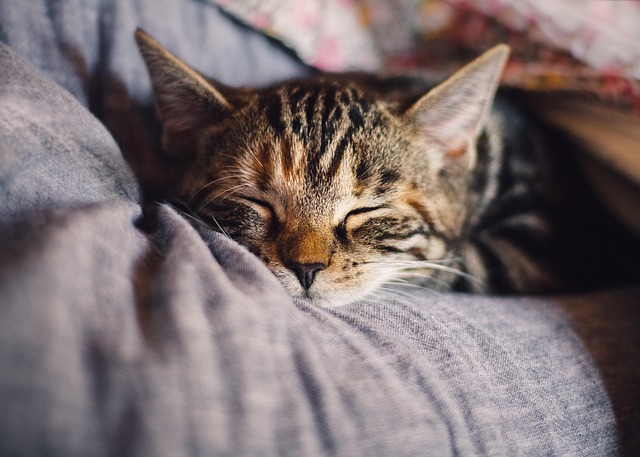
Most people imagine cats curling into neat little balls or stretching out on their sides, but face-down sleeping is more common than it looks. I first noticed it years ago while checking on a client’s indoor cats during a routine visit, and one of them was flat on its stomach, its face pressed into a cushion, having run out of energy mid-thought. The owner was convinced something was wrong, but the cat was perfectly healthy and just very relaxed.
In my experience, face-down sleeping is usually about comfort and pressure control. Cats sometimes press their faces into soft surfaces because it gives them a sense of security, almost as if they were muffling the outside world. It is similar to how some cats hide under blankets or tuck their heads under furniture edges. I’ve even had a customer last spring who thought their cat was struggling to breathe, but after observing it over a few days, we realized it only did it on warm afternoons when the room was quiet.
Some cats also do this when they are deeply tired and no longer want to adjust their position. Instead of carefully settling into a perfect pose, they just drop where they are and stay there. I have often seen it in younger cats after play sessions that last too long, especially when they crash suddenly near a window or a hallway.
Sleep posture and hidden comfort signals
When I talk to pet owners about sleep positions, I usually compare it to how humans fall asleep in awkward places after a long day. Cats do not always prioritize elegance in sleep; they prioritize what feels safest and least effortful in that moment. A face-down position can actually reduce sensory input, blocking light and dampening sound, which helps them settle faster into deep rest.
One client I worked with had a cat that consistently slept face down on the sofa armrest. They were worried enough to seek veterinary advice from a local online pet support service, which helped rule out health concerns. After that, they noticed the cat only did it when the household was busy and noisy, as if it were trying to shut everything out. That pattern made it clear it was more about overstimulation than discomfort.
There is also a physical comfort factor that people often miss. Cats have flexible spines and shoulders, and sometimes the face-down position helps them stretch their neck muscles in a relaxed way without fully waking up. I’ve seen this especially in cats that love soft bedding, where their body just sinks in, and gravity does the rest. It looks odd to us, but for them, it can be one of the most effortless resting positions available.
When it might signal something else
Not every unusual sleep posture is harmless, and over the years, I’ve learned to watch for patterns rather than one-off moments. A cat sleeping face down occasionally is usually nothing to worry about, but if it becomes constant and is paired with other changes, it can point to something worth checking. I once had a case where a cat started choosing face-down positions almost exclusively, and the owner also mentioned reduced appetite and less interest in movement.
That situation turned out to be mild respiratory irritation, which made the cat prefer positions that kept its airway as open as possible without changing posture often. I am not saying this is common, but it is one of those edge cases where behavior shifts are subtle before other signs appear. Cats are good at hiding discomfort, so small changes matter more than dramatic ones.
If a cat is still playful, eating normally, and responsive when awake, face-down sleeping alone is rarely a red flag. I usually advise people to observe without overreacting unless multiple behaviors change at the same time. In many homes I visit, reassurance alone is enough once they understand how flexible cat sleep behavior really is.
Why do some cats prefer the “hidden face” position
There is also a behavioral angle that comes from instinct. In the wild, hiding the face while resting reduces exposure and makes the animal feel less visible to potential threats. Even though domestic cats are far removed from that environment, those instincts still show up in small ways, especially in resting habits. I’ve seen this more in shy or newly adopted cats that are still adjusting to a household.
Another factor is temperature control. Cats that feel slightly warm may press their faces into cooler surfaces, such as tile floors or the edges of wooden furniture. I remember one summer visit when several indoor cats in a single home all chose face-down sleeping spots near air vents, and none had any health issues. They were simply managing heat in their own quiet way.
Personality also plays a role. Some cats are just less “posed” in how they sleep. They collapse into whatever position feels convenient and stay there until something wakes them up. I have one in my care rotation who sleeps face-down on a stack of laundry almost every visit, and that has never changed despite being healthy and active for years.
Over time, I have learned that cat sleep behavior is less about fixed meanings and more about context. A face-down nap can mean comfort, cooling, recovery from overstimulation, or just pure exhaustion after play. The trick is not to isolate the posture, but to read the rest of the cat’s daily rhythm alongside it.