What I Actually Feed Dogs With Diarrhea After Years in a Grooming Van
I run a mobile dog grooming van and spend most of my days dealing with more than just coats and nails. Stomach issues come up a lot, especially after diet changes or when a dog gets into something it shouldn’t. I’ve cleaned up my fair share of messes, and over time I’ve learned what tends to calm things down quickly. What I feed in those moments is simple, practical, and based on what I’ve seen work again and again. Fancy diets rarely fix urgent problems.
What I Reach for First When a Dog Has Diarrhea
The first thing I do is strip the diet down to basics. I usually recommend plain boiled chicken and white rice, and I keep the ratio close to 2 parts rice and 1 part chicken. It sounds boring, but that’s the point. The gut needs a break, and simple food is easier to digest. I’ve seen dogs go from constant loose stools to normal within 24 to 48 hours on this setup.
I make sure the chicken is skinless and has zero seasoning. Even a bit of oil or salt can irritate an already upset stomach. Rice should be soft, almost mushy, because it binds stool better that way. I’ve tried brown rice before, but it doesn’t work as well during active diarrhea. White rice is easier on the system.
Portion size matters more than people think. I don’t feed a full meal right away. Instead, I split it into 3 or 4 smaller servings throughout the day so the digestive system doesn’t get overwhelmed. Small meals. Big difference.
When I Add Extras and What I Avoid Completely
Once things start improving, I sometimes add plain pumpkin puree, about one or two tablespoons, depending on the dog’s size. It helps regulate stool, and I’ve seen it work especially well in medium-sized dogs around 15 to 25 kilos. One customer last spring had a Labrador with recurring stomach issues, and adding pumpkin made a noticeable difference within a couple of days.
For owners who want a structured plan, I sometimes point them toward resources like dog diarrhea diet plan pages that outline feeding schedules and portion ideas in a simple way. Some people just need a clear path to follow. Guessing often leads to overfeeding or introducing the wrong foods too soon. That can set recovery back by days.
I avoid dairy, fatty meats, and commercial treats during this phase. Even foods that are normally fine can cause problems when the gut is irritated. I’ve seen someone give yogurt, thinking it would help, and it made things worse within hours. Every dog reacts differently, but during diarrhea, a less varied diet is safer.
There’s also the temptation to switch brands immediately. I usually tell people to wait. Sudden changes in diet are among the top reasons dogs develop diarrhea. Stick to the bland diet until things settle.
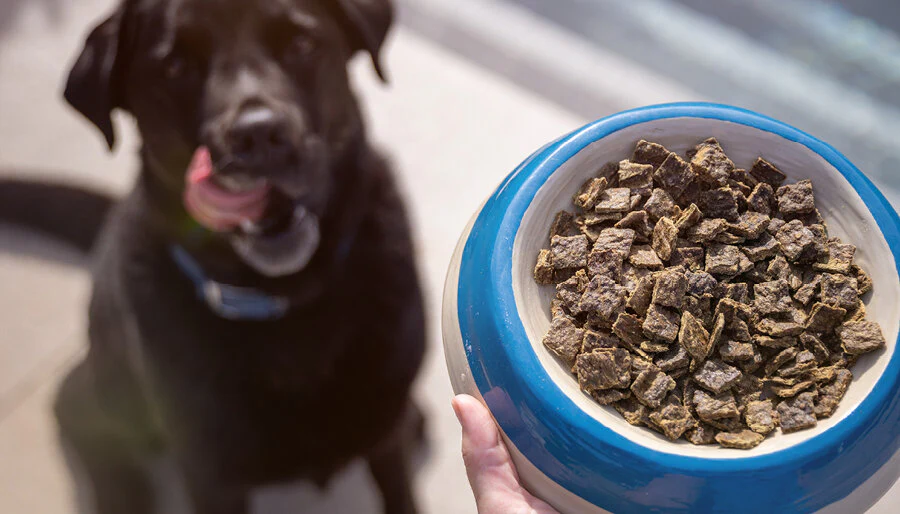
How Long Can I Keep Dogs on a Bland Diet
I don’t rush the transition back to normal food. Even if the stool looks solid after one day, I give it at least another 48 hours before reintroducing regular kibble. The gut needs stability, not surprises. I mix a small amount of the regular food into the bland diet, starting around 25 percent and slowly increasing over 3 to 5 days.
Some dogs recover fast. Others take a week. I’ve worked with older dogs that needed nearly seven days before they could handle their usual meals again without issues. Age plays a role, and so does overall health.
Hydration is something people forget. Diarrhea drains fluids quickly, especially in smaller dogs under 10 kilos. I always make sure they have fresh water available, and in some cases, I suggest adding a bit of unseasoned broth to encourage drinking. Dehydration can escalate things fast.
If symptoms last more than three days, I stop guessing and recommend a vet visit. There’s a point where food alone isn’t enough. Parasites, infections, or underlying conditions need proper treatment.
What I’ve Learned From Real Cases Over Time
One thing I’ve learned is that consistency beats complexity. People often overthink the solution and start mixing multiple “helpful” foods at once. That usually backfires. I remember a client who added chicken, pumpkin, yogurt, and supplements all in one day. The dog’s condition didn’t improve until we simplified everything.
Another pattern I’ve noticed is how often table scraps trigger problems. Even small amounts of spicy or greasy food can upset a dog’s stomach. It doesn’t take much. A few bites can lead to two days of diarrhea.
Stress can play a role, too. I’ve seen dogs develop loose stools after boarding or travel, even when their diet stayed the same. In those cases, the same bland diet still works, but it may take a bit longer to stabilize.
Some owners expect instant results. That rarely happens. Most dogs need at least a full day before you see real improvement, and pushing new foods too early resets progress.
I keep things simple because simple works. Over the years, I’ve dealt with enough cases to know that fancy solutions are rarely necessary for mild diarrhea. Stick to basics, watch closely, and give the dog time to recover properly. That approach has saved me and my clients a lot of stress.