Living With a Mackerel Tabby Cat in My Grooming Rounds
I work as a mobile feline groomer in Faisalabad, moving between small apartments, courtyard homes, and the occasional pet shop setup that calls me in for house visits. Over the years, I have handled hundreds of cats, but mackerel tabby cats always stand out because of their sharp striped pattern and restless curiosity. I started noticing patterns in their behavior while grooming them in tight home spaces where they feel safest. These cats are not rare in my routine, but each one carries a slightly different temperament under the same striped coat.
Stripes That Define the Mackerel Tabby
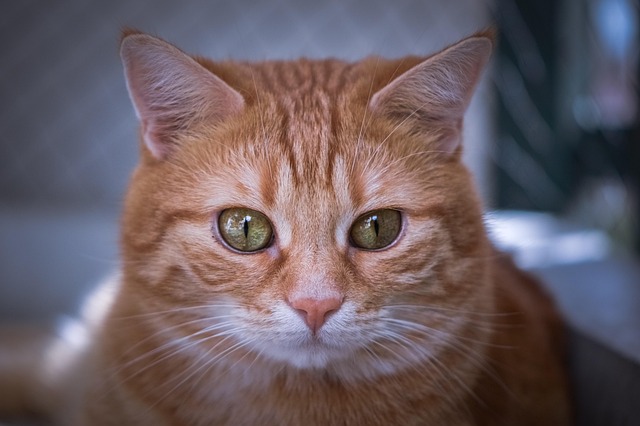
The first thing I explain to cat owners is how to recognize a mackerel tabby without overthinking it. The pattern runs in narrow vertical stripes that look almost like fishbones, stretching along the body. I usually see these cats confused with spotted or classic tabbies, especially when the lighting in a room softens their markings. I see it daily. One customer last spring thought her kitten was changing patterns as it grew, but it was simply the coat settling into its natural striping.
When I examine a mackerel tabby during grooming, I pay attention to the symmetry of the stripes along the ribs and tail. The tail often carries rings that tighten toward the tip, which helps me quickly confirm the pattern. Some cats have broken stripes, which makes them look more chaotic, but the underlying structure is still mackerel-based. That detail matters when owners try to identify lineage or match traits with parents they know.
Temperament and Daily Handling in My Experience
In my grooming van, mackerel tabby cats often seem to be constantly scanning their environment, even when lying still. I have noticed they adapt quickly to new spaces, but they rarely settle fully unless they trust the person handling them. A few of them respond strongly to sound, especially the metallic clink of grooming tools. That sensitivity changes how I pace the entire session.
I often point new cat owners toward a feline coat pattern care guide when they start confusing striped tabbies with other patterns. I also find that mackerel tabbies respond better when grooming is broken into short, predictable sessions rather than long, continuous handling. In several homes I visit regularly, I’ve seen cats become calmer simply because the timing of brushing stays consistent week after week. Routine matters more than technique with these cats.
What I also notice is their strong preference for familiar scents. If a towel or brush smells new, they tend to inspect it longer before accepting contact. I once had a cat in a two-room flat in Gulberg who refused grooming for nearly ten minutes just because I had replaced my usual brush cover. Small details like that can change the whole session flow.
Coat Care, Shedding, and Grooming Challenges
The coat of a mackerel tabby is usually short to medium length, but density varies more than people expect. In warmer months, I see heavier shedding cycles, especially in cats that stay indoors with limited airflow. Brushing helps, but the timing of grooming sessions matters more than intensity. I usually recommend light brushing every few days rather than waiting for heavy shedding to build up.
One of the recurring issues I deal with is matting near the armpits and lower back. These areas trap loose hair, especially in active cats that twist and stretch a lot while playing. A customer last summer had a young mackerel tabby that developed tight knots after skipping grooming for nearly three weeks. It took patience and soft detangling rather than any forceful approach to bring the coat back to normal condition.
I also watch how these cats react to bathing, even though most do not need frequent baths. Water stress is common, but mackerel tabbies tend to recover faster once they are dried and brushed properly. I keep sessions short because prolonged exposure to noise from dryers increases their anxiety levels. The goal is always to maintain coat health without overwhelming the cat’s nervous system.
Behavior Patterns and Long-Term Care Observations
Over time, I have begun linking certain behavioral patterns to how mackerel tabbies are raised rather than solely to their genetics. Indoor cats with structured playtime tend to show more balanced energy, while those left alone for long hours become more reactive during grooming sessions. I can usually predict their tolerance level within the first five minutes of handling.
Diet also plays a significant role in coat condition, though owners often underestimate its impact. When nutrition is consistent, I see fewer dry patches and a smoother stripe definition across the body. I have visited homes where even small adjustments in feeding schedules improved shedding patterns within a few weeks. These changes are subtle but noticeable during grooming.
Enrichment is another area I focus on during conversations with owners. Simple additions, such as climbing shelves or window perches, significantly reduce stress-related grooming issues. I have seen mackerel tabbies become noticeably calmer when they have predictable observation points around the home. They like control over their view, even if they are not actively moving.
Health monitoring is something I naturally integrate into grooming sessions. While brushing, I check for skin sensitivity, minor irritations, or uneven fur loss that could indicate underlying issues. Early detection is usually possible because these cats tend to react quickly when something feels off in their coat or skin. That awareness helps prevent small problems from turning into larger ones.
Working with mackerel tabby cats has taught me that their striped appearance is only the surface layer of a much more responsive and alert personality. They adapt well, but they also remember experiences quickly, which shapes how future grooming sessions unfold. Every cat I handle adds a slightly different reference point to what I already know. I still find new patterns even after years of working with them across different homes and environments.