Do Father Cats Recognize Their Kittens In Real Life?
I work as a veterinary technician in a busy small-animal clinic in Faisalabad, and I also foster stray cats that come in through rescue cases around the city. Over the years, I have watched dozens of litters grow up in shared spaces where male cats were present, sometimes the actual father and sometimes unrelated toms. The question I hear most from new cat owners is whether a father cat really knows his kittens or simply ignores them after mating season ends.
How male cats respond after the mating season
In my early clinic days, I assumed male cats would naturally recognize their offspring the same way humans do. After spending time in shelters, I realized their behavior is more complicated and less emotionally consistent than people expect. Most male cats show little long-term interest in kittens after mating is complete, even if they were present during birth or early nursing stages.
What I usually see is that the tomcat’s attention shifts quickly once the queen is no longer in heat or available. He may stay near the territory for a short while, but his focus returns to food, safety, and other mating opportunities. I once monitored a local stray male who fathered a litter behind our clinic building, and within two weeks, he behaved as if the kittens were just part of the environment, not individuals he needed to care for.
This doesn’t necessarily mean there is zero recognition; rather, it means recognition doesn’t translate into caregiving behavior. Cats are wired differently from species that rely on extended paternal care. In many cases, survival instincts override any lingering social memory connected to reproduction.
What I observe in clinics and foster homes
In my foster setup, I have seen both controlled and chaotic environments where father cats and kittens crossed paths again. One interesting case involved a rescued male who was temporarily housed in the same building as his offspring, though neither the owner nor I informed him of that fact. His reaction was neutral curiosity at best, with no protective or nurturing response. During that same period, I documented feeding schedules, and his behavior remained focused on territory marking and routine rest.
When discussing this topic with other professionals, I often reference general cat behavior studies alongside practical observation from shelters and rescue networks. I also point people toward resources like the cat behavior resource that explains feline social structure in simpler terms for pet owners trying to understand these interactions. Even after reading widely, I still find that real-world clinical observation provides clearer answers than theory alone. In my experience, every male cat reacts slightly differently, but the overall pattern stays consistent.
One winter, I helped care for a group of kittens that were brought in after being found near a construction site. Their presumed father was living nearby and occasionally passed through the feeding area. He never showed aggression toward them, but he also never engaged in typical parental behavior, such as grooming or guarding. That balance between neutrality and detachment is something I see very often.
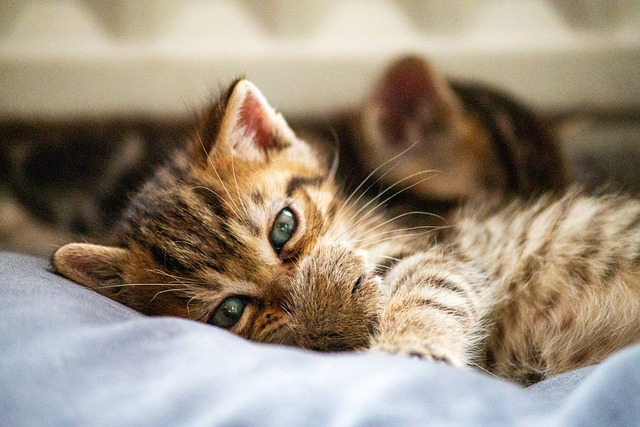
Behavior differences: recognition vs instinct
People often assume recognition means emotional bonding, but in cats, these two things do not always overlap. A father cat may detect familiar scents or visual cues, especially if he lives close to his offspring, yet this does not translate into long-term social attachment. In simple terms, recognition in cats is often sensory rather than emotional.
I have noticed that scent plays a major role in how cats interpret their environment. Even as kittens grow older and their smell changes, male cats rarely adjust their behavior in ways that suggest family bonding. A short sentence here. Instinct dominates most of their interactions.
There is also a clear difference between domesticated indoor cats and feral populations. Indoor male cats neutered early in life often show reduced territorial responses and may tolerate kittens more calmly. On the other hand, unneutered strays tend to remain focused on dominance and breeding cycles rather than family recognition. In either case, the idea of a father actively remembering kittens over long periods is not strongly supported by my experience.
When fathers interact with grown kittens
Occasionally, I have seen situations where a male cat crosses paths with his offspring months later, when the kittens are fully grown. These encounters usually happen in shared outdoor territories or during rescue intake from the same colony. The reactions are generally neutral, sometimes mildly cautious, but rarely aggressive unless competition for space or food is involved.
One memorable case involved a young male cat that returned to the clinic area where his presumed father still roamed. They sniffed each other briefly and then moved apart without conflict. The interaction lasted less than a minute and showed no sign of recognition beyond basic social assessment. These moments often reinforce how limited long-term familial memory appears in cats.
Over time, I stopped expecting father cats to behave like caretakers or even long-term relatives. Their world is structured more around territory, resources, and mating opportunities than family continuity. That realization changed how I explain cat behavior to new pet owners, especially those hoping for more human-like emotional bonds within the same family line.
After years of working closely with strays and shelter animals, I have learned that father cats live in a much shorter social memory loop than people assume. They may coexist with their kittens under certain conditions, but recognition does not usually carry emotional weight. What looks like indifference is often just a different system of priorities shaping how they move through their environment.