Clearing Up Blackheads on Dogs From a Groomer’s Bench
I run a small grooming setup out of a converted van, and I see more dog skin than most people ever will. Blackheads are one of those issues owners notice late, usually when they run a hand along the back and feel that rough, peppery texture. I have dealt with it on short-coated Labradors, older Schnauzers, and even a few Bulldogs that came in every six weeks. Some cases clear fast, others hang around stubbornly. What works depends on why those pores clogged in the first place.
What I Actually See When I Find Blackheads
Blackheads on dogs look a lot like they do on people, but they tend to show up in clusters along the back, tail base, or under the chin. In my van, I often spot them while rinsing, because the water darkens the coat and makes those little dots stand out more. A dog that came in last spring had a thick patch near the tail, almost like someone sprinkled black sand into the fur. The skin beneath felt slightly oily, a common clue.
Most of the time, these are clogged hair follicles filled with oil and debris. Some breeds produce more oil, while others get buildup from poor grooming habits or long gaps between baths. I have seen cases linked to allergies, especially when dogs repeatedly scratch and irritate the same area. It is rarely just dirt. There is usually a pattern behind it.
Age plays a role, too. Older dogs tend to develop more of these spots, especially if their skin is not turning over as quickly as it used to. I have noticed that once a dog passes around seven or eight years old, I start seeing more clogged pores during routine grooming sessions. That does not mean it is serious, but it does mean you need to stay on top of it.
How I Clean Them Without Making Things Worse
I do not squeeze blackheads on dogs. That is the first thing I tell new clients. It sounds tempting, but it can irritate the skin and even cause infection if done wrong.
Instead, I rely on a mix of proper bathing and gentle exfoliation. One place I sometimes recommend for specialty products is how to get rid of blackheads on dogs, especially for owners who want something formulated for skin issues rather than just a basic shampoo. I use lukewarm water, never hot, and let the shampoo sit for about five minutes before rinsing. That dwell time matters more than people think.
After rinsing, I use a soft rubber brush in circular motions. Nothing aggressive. The goal is to lift debris from the follicles without damaging the skin barrier. A single session will not clear everything. It usually takes two or three grooming visits, spaced a few weeks apart, to see a real difference.
There are cases where I switch to a medicated shampoo with ingredients like benzoyl peroxide. I only do that if the buildup is heavy or recurring. Those shampoos can dry the skin if used too often, so I balance them with a mild conditioner. Dogs do not need squeaky-clean skin. They need balanced skin.
What Owners Can Do Between Grooming Visits
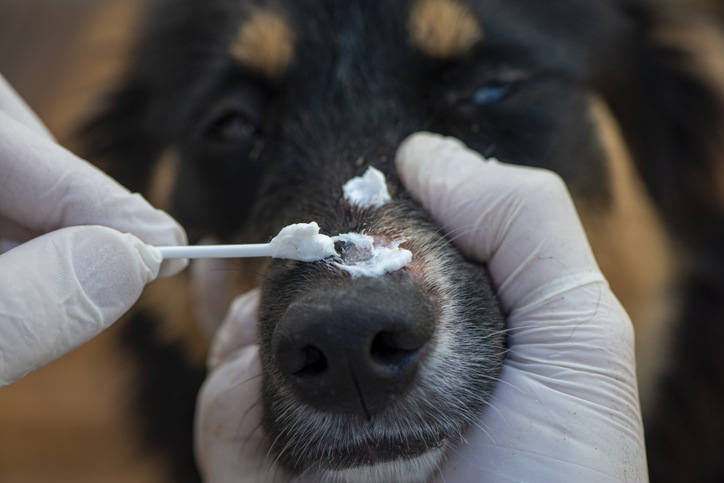
Consistency at home makes the biggest difference. I have had clients who come every month, but the dog still shows up with clogged pores because nothing is done in between. A simple wipe-down twice a week can go a long way. I tell people to focus on areas like the tail base and the underside of the collar.
Diet matters more than most expect. I once worked with a client who switched their dog’s food after noticing recurring blackheads along the spine. Within about 6 weeks, the skin looked calmer, and new buildup slowed. That does not mean every case is food-related, but it is something I keep in mind.
Brushing helps too, especially for short-haired breeds. It spreads natural oils and prevents them from pooling in one area. I usually suggest brushing three times a week for dogs prone to blackheads. It takes five minutes. That is it.
Avoid over-bathing. It sounds counterintuitive, but washing too often can prompt the skin to produce more oil, which can lead right back to clogged pores. For most dogs, a bath every 3 to 4 weeks works well, unless there is a medical reason to do otherwise.
When I Tell Someone to See a Vet
Sometimes it is not just blackheads. If I see redness, swelling, or a strong odor, I stop and suggest a vet visit before continuing with grooming. Those signs can point to infections or underlying conditions that need proper treatment. Grooming alone will not fix that.
I remember a dog that came in with what looked like severe blackheads, but the skin was inflamed and sensitive. The owner thought it was just buildup. It turned out to be a deeper skin issue that needed medicated treatment beyond anything I could safely do in my van.
If the blackheads keep returning no matter what you try, that is another sign. Chronic cases often have a root cause, such as a hormonal imbalance or allergies. I can manage the surface, but I cannot solve the underlying problem without veterinary input.
Pay attention to changes. If a spot grows quickly or starts bleeding, do not wait it out. That is not typical for simple blackheads.
I have learned over the years that most blackhead cases on dogs are manageable with patience and the right routine. You do not need harsh tools or complicated treatments. Keep the skin clean, avoid overdoing it, and watch for any unusual signs. That steady approach works better than quick fixes every time.