Clearing Up Blackheads on Dogs
Apr
Clearing Up Blackheads on Dogs From a Groomer’s Bench

I run a small grooming setup out of a converted van, and I see more dog skin than most people ever will. Blackheads are one of those issues owners notice late, usually when they run a hand along the back and feel that rough, peppery texture. I have dealt with it on short-coated Labradors, older Schnauzers, and even a few Bulldogs that came in every six weeks. Some cases clear fast, others hang around stubbornly. What works depends on why those pores clogged in the first place.

What I Actually See When I Find Blackheads

Blackheads on dogs look a lot like they do on people, but they tend to show up in clusters along the back, tail base, or under the chin. In my van, I often spot them while rinsing, because the water darkens the coat and makes those little dots stand out more. A dog that came in last spring had a thick patch near the tail, almost like someone sprinkled black sand into the fur. The skin beneath felt slightly oily, a common clue.

Most of the time, these are clogged hair follicles filled with oil and debris. Some breeds produce more oil, while others get buildup from poor grooming habits or long gaps between baths. I have seen cases linked to allergies, especially when dogs repeatedly scratch and irritate the same area. It is rarely just dirt. There is usually a pattern behind it.

Age plays a role, too. Older dogs tend to develop more of these spots, especially if their skin is not turning over as quickly as it used to. I have noticed that once a dog passes around seven or eight years old, I start seeing more clogged pores during routine grooming sessions. That does not mean it is serious, but it does mean you need to stay on top of it.

How I Clean Them Without Making Things Worse

I do not squeeze blackheads on dogs. That is the first thing I tell new clients. It sounds tempting, but it can irritate the skin and even cause infection if done wrong.

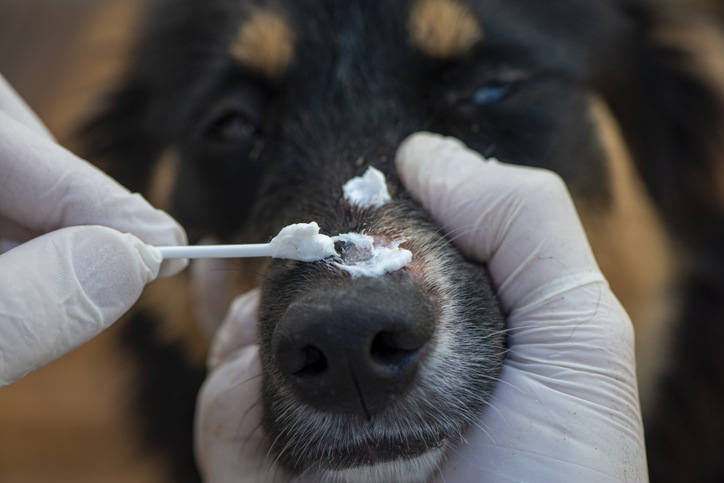
Instead, I rely on a mix of proper bathing and gentle exfoliation. One place I sometimes recommend for specialty products is how to get rid of blackheads on dogs, especially for owners who want something formulated for skin issues rather than just a basic shampoo. I use lukewarm water, never hot, and let the shampoo sit for about five minutes before rinsing. That dwell time matters more than people think.

After rinsing, I use a soft rubber brush in circular motions. Nothing aggressive. The goal is to lift debris from the follicles without damaging the skin barrier. A single session will not clear everything. It usually takes two or three grooming visits, spaced a few weeks apart, to see a real difference.

There are cases where I switch to a medicated shampoo with ingredients like benzoyl peroxide. I only do that if the buildup is heavy or recurring. Those shampoos can dry the skin if used too often, so I balance them with a mild conditioner. Dogs do not need squeaky-clean skin. They need balanced skin.
Clearing Up Blackheads on Dogs

What Owners Can Do Between Grooming Visits

Consistency at home makes the biggest difference. I have had clients who come every month, but the dog still shows up with clogged pores because nothing is done in between. A simple wipe-down twice a week can go a long way. I tell people to focus on areas like the tail base and the underside of the collar.

Diet matters more than most expect. I once worked with a client who switched their dog’s food after noticing recurring blackheads along the spine. Within about 6 weeks, the skin looked calmer, and new buildup slowed. That does not mean every case is food-related, but it is something I keep in mind.

Brushing helps too, especially for short-haired breeds. It spreads natural oils and prevents them from pooling in one area. I usually suggest brushing three times a week for dogs prone to blackheads. It takes five minutes. That is it.

Avoid over-bathing. It sounds counterintuitive, but washing too often can prompt the skin to produce more oil, which can lead right back to clogged pores. For most dogs, a bath every 3 to 4 weeks works well, unless there is a medical reason to do otherwise.

When I Tell Someone to See a Vet

Sometimes it is not just blackheads. If I see redness, swelling, or a strong odor, I stop and suggest a vet visit before continuing with grooming. Those signs can point to infections or underlying conditions that need proper treatment. Grooming alone will not fix that.

I remember a dog that came in with what looked like severe blackheads, but the skin was inflamed and sensitive. The owner thought it was just buildup. It turned out to be a deeper skin issue that needed medicated treatment beyond anything I could safely do in my van.

If the blackheads keep returning no matter what you try, that is another sign. Chronic cases often have a root cause, such as a hormonal imbalance or allergies. I can manage the surface, but I cannot solve the underlying problem without veterinary input.

Pay attention to changes. If a spot grows quickly or starts bleeding, do not wait it out. That is not typical for simple blackheads.

I have learned over the years that most blackhead cases on dogs are manageable with patience and the right routine. You do not need harsh tools or complicated treatments. Keep the skin clean, avoid overdoing it, and watch for any unusual signs. That steady approach works better than quick fixes every time.

Seeing Blood in Your Dog’s Urine
Apr
Seeing Blood in Your Dog’s Urine: What I’ve Learned from Years in a Small Animal Clinic

I have spent the last eight years working as a veterinary technician in a busy neighborhood clinic, and I have seen more than a few cases where a worried owner brings in a dog after noticing blood in its urine. It is one of those signs that stops people cold. I still remember a client last spring who walked in, clearly shaken, holding a small towel where her dog had just peed. It can mean several things, and some are more urgent than others. From my side of the exam table, I have learned to look beyond the panic and focus on patterns.

What Blood in Dog Urine Usually Points To

The medical term for blood in urine is hematuria, and it can come from different parts of the urinary tract. In my day-to-day work, the most common cause I see is a urinary tract infection. Dogs with UTIs often strain, go outside more frequently, or have accidents inside, even if they are well-trained. I have seen cases where the urine looks almost normal at first glance, but a closer look reveals a pink tint.

Bladder stones are another frequent issue. These can irritate the bladder lining, causing bleeding, and, in some dogs, form quietly over time until symptoms suddenly appear. I once assisted in a case where a medium-sized dog had several stones, each about the size of a marble. That dog had been showing mild discomfort for weeks before the owner noticed blood.

There are also more serious possibilities. Tumors in the bladder or kidneys can lead to bleeding, though I see those less often compared to infections or stones. Trauma can play a role, too, especially if a dog has been hit or has fallen. Each case tells a different story, and I have learned not to jump to conclusions too quickly.

How I Approach These Cases in the Clinic

When a dog comes in with blood in its urine, the first thing I do is gather a detailed history from the owner. I ask about changes in behavior, appetite, water intake, and bathroom habits. Even small details matter, like whether the dog is drinking more than usual or straining during urination. These clues help us narrow things down before we even run tests.

For owners trying to understand possible treatments or next steps, I often suggest reading through ” When a Dog Pees Blood: What Does That Mean? ” as a way to get familiar with common conditions before discussing options with the vet. It helps them ask better questions during the visit. Once we move forward, we usually start with a urine test, which can reveal infection, crystals, or signs of inflammation. In many cases, we also recommend imaging, such as an X-ray or ultrasound, to check for stones or structural issues.

Some cases are straightforward. A simple infection might clear up with a 10 to 14-day course of antibiotics. Others take more time and investigation. I remember one older dog where initial tests were inconclusive, and it took multiple visits and imaging sessions before the underlying cause became clear.

Signs That Make Me More Concerned

Not all cases of blood in urine carry the same level of urgency. Still, there are certain signs that always make me take a step back and prioritize the case. If a dog cannot urinate at all, that is an emergency. It can indicate a blockage, and I have seen situations where waiting even half a day made things worse.

Another red flag is lethargy combined with blood in the urine. Dogs that seem unusually tired, refuse food, or hide more than usual often have something more serious going on. I recall a case where a dog came in barely responsive, and blood in the urine was just one of several symptoms pointing to a larger systemic issue.

Severe straining is another warning sign. If a dog squats repeatedly and produces only a few drops, often tinged with blood, it can mean irritation or obstruction. Owners sometimes assume the dog is constipated, but in many cases, the issue lies in the urinary system.

Seeing Blood in Your Dog’s Urine

What Owners Can Do Right Away

If you notice blood in your dog’s urine, the first step is simple. Call your vet. Even if the dog seems otherwise normal, it is better to get guidance early rather than wait for things to worsen. I always tell clients that early treatment often means less stress for both the dog and the owner.

Keep an eye on patterns. Note how often your dog urinates, whether there is straining, and whether the color changes over time. These observations help the vet form a clearer picture. I have had cases where an owner’s careful notes made the diagnosis much faster.

Try to collect a urine sample if possible. It does not need to be perfect. Even a small amount in a clean container can be useful. I have seen owners use everything from ladles to shallow dishes to get a sample, and while it might feel awkward, it really does help speed things along.

Why This Issue Shouldn’t Be Ignored

Some owners hope the problem will resolve on its own, especially if the dog seems fine otherwise. I understand that instinct. Veterinary care can be costly, and not every symptom is serious. Still, blood in urine is one of those signs that rarely has a harmless explanation.

Infections can spread if untreated. Stones can grow larger or cause blockages. More serious conditions can progress quietly while outward signs remain mild. I have seen dogs that seemed stable one day and required urgent care the next because the underlying issue had been building.

Early action makes a difference. It often reduces the need for more invasive procedures later. I have watched cases where a simple course of medication resolved the issue quickly, and others where delayed care led to surgery and a longer recovery.

Every time I see that look of concern on an owner’s face, I am reminded how unsettling this symptom can be. Blood in a dog’s urine is never something I brush off. It is a signal that deserves attention, and in my experience, addressing it early almost always leads to better outcomes for the dog and less stress for everyone involved.

Grown Maine Coon
Apr
A Fully Grown Maine Coon Living In My Grooming Routine

I have been grooming long-haired cats for years in a small mobile setup that travels between towns, and the fully grown Maine Coon is one of the most impressive cats I regularly handle. The first time I handled one, I honestly underestimated how much presence a single cat could have in a room. Over time, I began to recognize patterns in their coat, behavior, and maintenance needs that differed from those of smaller domestic cats. Most of what I share here comes from hands-on work with owners who treat these cats like family.

Size, presence, and what full maturity really looks like

A fully grown Maine Coon is not just a large cat; it feels like a different category of pet altogether. In my experience, males often reach a weight that surprises first-time owners, sometimes pushing into the upper teens in pounds while maintaining a lean, muscular frame. I have had customers bring in cats that barely fit into standard carriers, and you can immediately see how their bone structure supports that size. They tend to carry themselves with a calm, almost confident movement that makes them stand out even in a busy grooming environment.

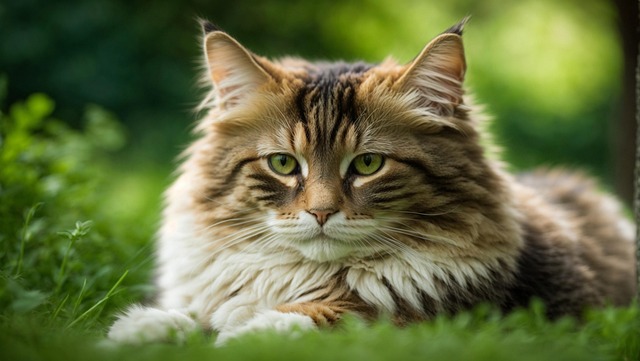
Their growth takes time, and I often remind people that full maturity can stretch beyond three years. A customer last spring mentioned how their Maine Coon kept filling out long after they expected it to settle, especially around the chest and shoulders. During those visits, I noticed how coat density also increases with age, making grooming sessions longer than with younger cats. The texture shifts from soft fluff to a thicker, weather-resistant layer that needs consistent care to avoid matting.

When I first started working with them, I underestimated how much space and patience they require during handling. They are not aggressive, but their sheer size means every movement feels amplified. I have learned to adjust my grooming table setup and even my brush selection depending on whether I am working on a younger adult or a fully mature cat.

Coat care, grooming challenges, and what I’ve learned on the job

Maine Coons have coats that are built for cold climates, and that shows up clearly when I work on them in real grooming sessions. Their fur has a layered structure, with a dense undercoat and longer guard hairs that can tangle if ignored for even a short period. I usually see the worst matting around the belly and behind the legs, especially in cats that are not regularly brushed at home. One client told me they tried managing it themselves for months before finally calling me in after things got too difficult.

In situations like that, I often recommend a structured grooming routine that owners can follow at home, but I also point them toward resources like maine coon grooming support guide to understand coat maintenance in more detail. In my own practice, I have seen how consistent brushing two to three times a week can dramatically reduce the need for heavy detangling sessions. Without that routine, I sometimes spend over an hour just working through knots before I can even begin a proper trim or bath. It is not difficult work, but it demands patience and the right tools.

Bathing a fully grown Maine Coon is another experience entirely. They tolerate water better than many breeds I have worked with, but their coats retain moisture for a long time, so drying requires careful attention. I usually use a high-velocity dryer, moving section by section to avoid skin irritation. If rushed, the undercoat can remain damp, leading to odor or minor skin issues later.

Grown Maine Coon

Temperament and daily behavior in adult Maine Coons

Behaviorally, I find that fully grown Maine Coons are among the most balanced cat types I work with. They are social without being overly demanding, and they often follow their owners from room to room without causing disruption. In grooming sessions, I rarely encounter aggression, but I do see occasional stubbornness when they decide they are done being handled. That is usually a sign to pause rather than push through.

One owner I worked with described their cat as “dog-like,” and I understand why that comparison comes up so often. They respond to voice cues more consistently than many other breeds I have handled. However, they still maintain an independent streak, especially when they are fully grown and confident in their environment. I have noticed that they tend to choose resting spots that give them a clear view of the household, almost like they prefer monitoring activity rather than being in the middle of it.

In multi-pet homes, I often see them establishing quiet dominance without confrontation. They do not chase or provoke, but other animals usually adjust their behavior around them naturally. That kind of social balance becomes more stable once they reach full maturity, compared to their more playful, sometimes chaotic, younger phase.

Health patterns and long-term care considerations

Over the years, I have seen a few recurring health concerns that tend to appear in fully grown Maine Coons, especially as they age beyond their early adulthood. Joint stiffness can appear in larger males, particularly if they have not maintained an active lifestyle. I have had owners mention subtle changes, such as reduced jumping or hesitation before climbing furniture. These signs are usually gradual rather than sudden.

Another area I focus on during grooming is heart health, since this breed has a known tendency toward certain cardiac conditions. While I am not a veterinarian, I have learned to recognize when a cat seems unusually tired during routine handling. In those cases, I always recommend a veterinary check rather than assuming it is just age or size-related fatigue.

Diet also plays a quiet but important role in how a fully grown Maine Coon maintains its coat and muscle condition. I have seen cats on inconsistent diets develop dull fur and lower energy levels compared to those on balanced feeding routines. Owners often notice the difference in shedding patterns first, especially when nutritional quality improves over a few months.

Working with these cats over time has taught me that their needs are steady rather than complicated. They respond well to routine, patience, and a bit of understanding about how their size and coat change over the years.

Can Cats Eat Chestnut
Apr
Can Cats Eat Chestnuts Without Getting Sick

I work as a mobile pet groomer along the Florida Gulf Coast, and I often get asked small but surprisingly tricky questions while I’m trimming claws or brushing out mats. One of those questions that came up more than once during the holiday season was about cats and chestnuts. It sounds harmless at first, but I’ve seen enough curious pets nibble on human food to know the answer needs a bit of context. Cats are strange with what they try to eat.

How I first saw cats react to chestnuts

The first time I actually dealt with a cat near chestnuts was during a grooming visit for a retired couple who loved roasting them during winter evenings. Their cat, a heavyset tabby with too much curiosity, managed to knock a peeled piece off the counter. I watched it sniff, lick, and then walk away after a few seconds, as if it wasn’t impressed at all. That moment stuck with me because it showed how uninterested some cats can be in foods we think are tempting.

In my line of work, I’ve seen cats try everything from bread crumbs to cooked chicken left unattended. Chestnuts fall into a strange category because they are not toxic in the same way onions or chocolate are, but they are still not made for feline digestion. A customer last winter even told me their cat chewed a roasted chestnut and then ignored its food for hours afterward. I usually remind people that curiosity does not always equal safety.

What chestnuts mean for a cat’s stomach

Chestnuts are different from other nuts because they are lower in fat and starchier, but that does not automatically make them safe for cats. A cat’s digestive system is built around animal protein, not plant-based carbohydrates like these. I’ve had pet owners assume that “less harmful” means “fine to feed,” but that gap in understanding often leads to upset stomachs or vomiting. In real practice, moderation is not even the main issue; suitability is.

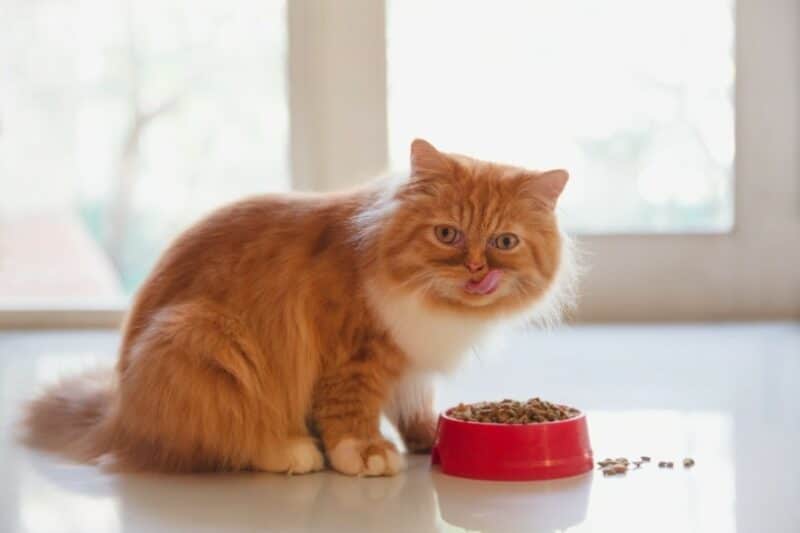
During one grooming stop, a client asked me to check a dietary concern after their cat stole a few bites from the kitchen counter. I suggested they speak with a vet and also review basic feeding safety resources, such as pet nutrition resources, for clearer guidance on what cats can safely eat. The discussion that followed made it clear they had not considered that even non-toxic foods can still cause digestive stress. I see this confusion more often than people expect. Chestnuts are not poisonous to cats in small accidental bites, but they are still unnecessary and can irritate sensitive stomachs.

I’ve also noticed something else in multi-pet homes. When one cat shows interest in human food, others tend to follow, even if they had no initial curiosity. That chain reaction can turn a harmless snack moment into repeated exposure. It is rarely about a single bite; it becomes a habit pattern in the household. I always tell owners to treat it as a behavior issue, not just a food question.

Safer snack habits, I suggest to cat owners

Most of the advice I give during grooming visits is practical and based on what I see daily in homes. Cats do not need variety from human snacks the way people assume they do. I usually recommend sticking to cat-specific treats that are designed with their digestion in mind. It keeps things simple and avoids guessing games around holiday foods or kitchen leftovers.

One habit I encourage is keeping human food off counters completely, even when it feels like a small issue. A single successful theft teaches a cat that repetition works. I’ve seen this behavior develop slowly in homes where food was left unattended just a few times. It is easier to prevent than correct later.

Another approach I often suggest is giving cats their own structured treat times. This reduces their interest in whatever is happening on the dining table or kitchen counter. It also helps owners feel more in control of what their pet is consuming without constantly monitoring every movement. Small routines matter more than people think.

Can Cats Eat Chestnut

When chestnuts become a real risk at home

There are situations where chestnuts can become more than just a harmless curiosity. If they are seasoned with salt, butter, or spices, the risk changes quickly. I’ve walked into homes where roasted foods were heavily flavored, and even small accidental bites could upset a cat’s stomach. The problem is rarely the chestnut itself, but what comes with it.

I remember a customer who stored leftover roasted chestnuts in an open bowl on a low table. Their cat developed mild vomiting after sneaking several pieces over the weekend. The vet ruled out anything serious, but it was a clear example of repeated exposure causing irritation. That case changed how they stored food afterward. Small changes like that often prevent repeat issues.

Temperature also plays a role. Hot or freshly roasted chestnuts can burn a cat’s mouth or temporarily disrupt normal eating behavior. Even when the food is technically safe in raw or plain form, preparation changes everything. I’ve seen pets avoid their regular meals after being surprised by something warm or heavily scented.

In most homes I visit, the real solution is awareness rather than restriction panic. Cats are not naturally drawn to chestnuts the way they are to meat, but curiosity can still create situations worth managing. Keeping things simple, consistent, and out of reach tends to address most concerns before they start. It is less about fear and more about habits that quietly protect them.

At the end of the day, chestnuts are not a food I would ever include in a cat’s diet, even occasionally. They sit in that gray area where nothing dramatic happens most of the time, but nothing beneficial happens either. I always lean toward removing that uncertainty entirely for the animal’s comfort and routine.

Blue Toyger Cat
Apr
Blue Toyger Cat: Living With a Striped Silver Shadow in the Home

I first came across a blue Toyger cat while assisting a breeder who specialized in rare coat variations of domestic cats. I work as a feline caretaker and grooming specialist, and I have handled everything from Bengals to Maine Coons over the last several years. The blue Toyger stood out immediately, looking like a miniature wild tiger softened by a smoky silver-blue coat. That first encounter changed how I viewed selective breeding and coat genetics in domestic cats.

My First Close Encounter With a Blue Toyger Cat

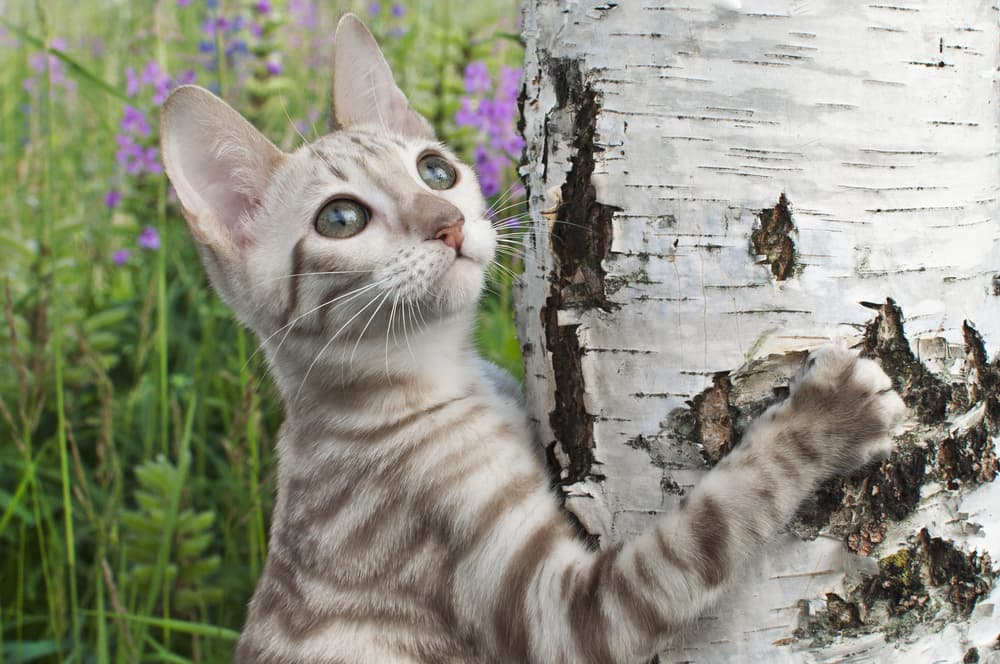
The first blue Toyger I handled was a young male with a calm temperament, which surprised me given his striking appearance. His coat carried a diluted charcoal-blue tone with faint tiger-like striping that became more visible under natural light. I remember thinking he looked like a living shadow moving across the grooming table. Even clients who were not cat enthusiasts stopped to ask about him during that visit.

What stood out most to me was how balanced his personality felt, given his wild aesthetic. He was curious but not destructive, and he responded well to handling during grooming sessions. I worked with him for nearly three weeks while helping a breeder prepare a small showcase litter. He adjusted to routine brushing within a few days, unlike some exotic-looking breeds.

Breeding Background and Where People Look for Them

Most blue Toyger cats I have encountered are the result of carefully selected breeding programs that focus on coat-dilution genes and pattern refinement. I have seen breeders spend years refining a single line just to achieve consistent striping with a cool-toned blue base. The rarity of this variation makes it a conversation piece even among experienced cat handlers. People often underestimate how much patience it takes to stabilize these traits across generations.

During one of my grooming consultations, a client was looking for reputable breeders for such cats, and I pointed them toward ethical breeding networks. In that same discussion, I mentioned a trusted resource I have seen used by serious enthusiasts: blue toyger cat breeders. These platforms are often used by people who want to avoid impulse purchases and instead focus on health-tested, responsibly bred cats. I have seen too many cases of buyers rushing into exotic-looking cats without understanding their long-term care needs.

From my experience, legitimate breeders are very transparent about lineage, genetic testing, and early socialization practices. I once visited a small breeding setup where kittens were raised in a home environment and handled daily from birth. The difference in behavior was noticeable compared to cats raised with minimal human interaction. That early exposure shapes the cat’s adaptability later in life.

Blue Toyger Cat

Temperament, Grooming, and Daily Living With Them

The blue Toyger cat I worked with had a personality that leaned more toward attentive companion than independent wanderer. He liked staying in the same room as people, often positioning himself where he could observe movement without being directly involved. I noticed he was especially responsive to calm voices and consistent routines. Sudden environmental changes made him cautious but not aggressive.

Grooming this type of cat was surprisingly manageable, unlike what people assume when they see the wild-patterned coat. A soft-bristle brush twice a week was enough to maintain coat condition in most cases I handled. One household I visited had two Toygers, and both adapted quickly to grooming sessions after a few treats for positive reinforcement. They did not require excessive maintenance, but consistency was key to keeping their coat healthy and clean.

Diet also played a visible role in coat quality, something I observed across multiple clients over time. Cats fed balanced, protein-rich meals showed a more pronounced sheen in their fur and fewer skin issues. I once advised a family to adjust their cat’s feeding schedule slightly, and within a month, their cat’s coat looked noticeably smoother and more vibrant. Small adjustments often make a bigger difference than people expect.

Challenges, Rarity, and Misunderstandings Around the Breed

One of the biggest misunderstandings I encounter is that people assume a blue Toyger is simply a color variant without considering deeper genetic factors. In reality, achieving that specific diluted blue tone while maintaining the tiger-like pattern requires careful breeding selection. I have seen breeders reject entire litters because the markings did not meet their program standards. That level of selectivity is part of what makes these cats rare.

Another challenge is managing expectations around temperament and behavior. Some people expect an exotic-looking cat to behave like a wild animal, but that is not accurate in my experience. The blue Toyger I worked with in a multi-cat household got along well with other pets after about 2 weeks of adjustment. The key was a gradual introduction and controlled interaction spaces.

I have also seen cases where buyers were disappointed simply because they did not anticipate the level of attention any young cat requires. One client last spring told me they expected a more independent pet, but their Toyger kitten preferred constant companionship during early development. Once they adjusted their routine and set structured play times, the behavior became much easier to manage. Expectations shape the experience more than people realize.

Living with a blue Toyger cat is not about owning a decorative animal with a unique coat. It is about understanding a carefully bred companion that reflects both wild aesthetics and domestic adaptability. From what I have seen over years of handling and grooming them, they respond best to stability, attention, and respectful handling. The more consistent the environment, the more balanced their behavior tends to become over time.