A Fully Grown Maine Coon Living In My Grooming Routine
I have been grooming long-haired cats for years in a small mobile setup that travels between towns, and the fully grown Maine Coon is one of the most impressive cats I regularly handle. The first time I handled one, I honestly underestimated how much presence a single cat could have in a room. Over time, I began to recognize patterns in their coat, behavior, and maintenance needs that differed from those of smaller domestic cats. Most of what I share here comes from hands-on work with owners who treat these cats like family.
Size, presence, and what full maturity really looks like
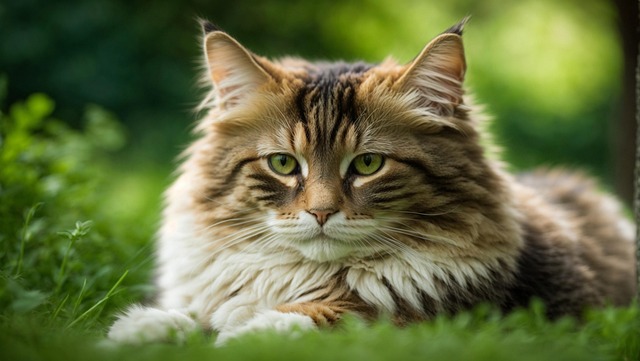
A fully grown Maine Coon is not just a large cat; it feels like a different category of pet altogether. In my experience, males often reach a weight that surprises first-time owners, sometimes pushing into the upper teens in pounds while maintaining a lean, muscular frame. I have had customers bring in cats that barely fit into standard carriers, and you can immediately see how their bone structure supports that size. They tend to carry themselves with a calm, almost confident movement that makes them stand out even in a busy grooming environment.
Their growth takes time, and I often remind people that full maturity can stretch beyond three years. A customer last spring mentioned how their Maine Coon kept filling out long after they expected it to settle, especially around the chest and shoulders. During those visits, I noticed how coat density also increases with age, making grooming sessions longer than with younger cats. The texture shifts from soft fluff to a thicker, weather-resistant layer that needs consistent care to avoid matting.
When I first started working with them, I underestimated how much space and patience they require during handling. They are not aggressive, but their sheer size means every movement feels amplified. I have learned to adjust my grooming table setup and even my brush selection depending on whether I am working on a younger adult or a fully mature cat.
Coat care, grooming challenges, and what I’ve learned on the job
Maine Coons have coats that are built for cold climates, and that shows up clearly when I work on them in real grooming sessions. Their fur has a layered structure, with a dense undercoat and longer guard hairs that can tangle if ignored for even a short period. I usually see the worst matting around the belly and behind the legs, especially in cats that are not regularly brushed at home. One client told me they tried managing it themselves for months before finally calling me in after things got too difficult.
In situations like that, I often recommend a structured grooming routine that owners can follow at home, but I also point them toward resources like maine coon grooming support guide to understand coat maintenance in more detail. In my own practice, I have seen how consistent brushing two to three times a week can dramatically reduce the need for heavy detangling sessions. Without that routine, I sometimes spend over an hour just working through knots before I can even begin a proper trim or bath. It is not difficult work, but it demands patience and the right tools.
Bathing a fully grown Maine Coon is another experience entirely. They tolerate water better than many breeds I have worked with, but their coats retain moisture for a long time, so drying requires careful attention. I usually use a high-velocity dryer, moving section by section to avoid skin irritation. If rushed, the undercoat can remain damp, leading to odor or minor skin issues later.
Temperament and daily behavior in adult Maine Coons
Behaviorally, I find that fully grown Maine Coons are among the most balanced cat types I work with. They are social without being overly demanding, and they often follow their owners from room to room without causing disruption. In grooming sessions, I rarely encounter aggression, but I do see occasional stubbornness when they decide they are done being handled. That is usually a sign to pause rather than push through.
One owner I worked with described their cat as “dog-like,” and I understand why that comparison comes up so often. They respond to voice cues more consistently than many other breeds I have handled. However, they still maintain an independent streak, especially when they are fully grown and confident in their environment. I have noticed that they tend to choose resting spots that give them a clear view of the household, almost like they prefer monitoring activity rather than being in the middle of it.
In multi-pet homes, I often see them establishing quiet dominance without confrontation. They do not chase or provoke, but other animals usually adjust their behavior around them naturally. That kind of social balance becomes more stable once they reach full maturity, compared to their more playful, sometimes chaotic, younger phase.
Health patterns and long-term care considerations
Over the years, I have seen a few recurring health concerns that tend to appear in fully grown Maine Coons, especially as they age beyond their early adulthood. Joint stiffness can appear in larger males, particularly if they have not maintained an active lifestyle. I have had owners mention subtle changes, such as reduced jumping or hesitation before climbing furniture. These signs are usually gradual rather than sudden.
Another area I focus on during grooming is heart health, since this breed has a known tendency toward certain cardiac conditions. While I am not a veterinarian, I have learned to recognize when a cat seems unusually tired during routine handling. In those cases, I always recommend a veterinary check rather than assuming it is just age or size-related fatigue.
Diet also plays a quiet but important role in how a fully grown Maine Coon maintains its coat and muscle condition. I have seen cats on inconsistent diets develop dull fur and lower energy levels compared to those on balanced feeding routines. Owners often notice the difference in shedding patterns first, especially when nutritional quality improves over a few months.
Working with these cats over time has taught me that their needs are steady rather than complicated. They respond well to routine, patience, and a bit of understanding about how their size and coat change over the years.