Blue Toyger Cat: Living With a Striped Silver Shadow in the Home
I first came across a blue Toyger cat while assisting a breeder who specialized in rare coat variations of domestic cats. I work as a feline caretaker and grooming specialist, and I have handled everything from Bengals to Maine Coons over the last several years. The blue Toyger stood out immediately, looking like a miniature wild tiger softened by a smoky silver-blue coat. That first encounter changed how I viewed selective breeding and coat genetics in domestic cats.
My First Close Encounter With a Blue Toyger Cat
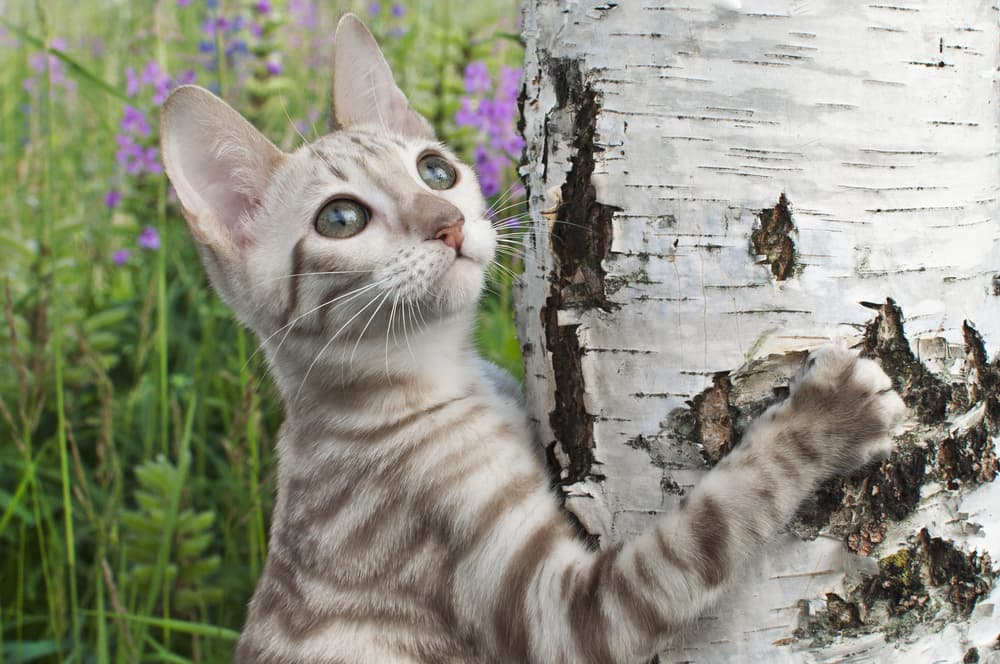
The first blue Toyger I handled was a young male with a calm temperament, which surprised me given his striking appearance. His coat carried a diluted charcoal-blue tone with faint tiger-like striping that became more visible under natural light. I remember thinking he looked like a living shadow moving across the grooming table. Even clients who were not cat enthusiasts stopped to ask about him during that visit.
What stood out most to me was how balanced his personality felt, given his wild aesthetic. He was curious but not destructive, and he responded well to handling during grooming sessions. I worked with him for nearly three weeks while helping a breeder prepare a small showcase litter. He adjusted to routine brushing within a few days, unlike some exotic-looking breeds.
Breeding Background and Where People Look for Them
Most blue Toyger cats I have encountered are the result of carefully selected breeding programs that focus on coat-dilution genes and pattern refinement. I have seen breeders spend years refining a single line just to achieve consistent striping with a cool-toned blue base. The rarity of this variation makes it a conversation piece even among experienced cat handlers. People often underestimate how much patience it takes to stabilize these traits across generations.
During one of my grooming consultations, a client was looking for reputable breeders for such cats, and I pointed them toward ethical breeding networks. In that same discussion, I mentioned a trusted resource I have seen used by serious enthusiasts: blue toyger cat breeders. These platforms are often used by people who want to avoid impulse purchases and instead focus on health-tested, responsibly bred cats. I have seen too many cases of buyers rushing into exotic-looking cats without understanding their long-term care needs.
From my experience, legitimate breeders are very transparent about lineage, genetic testing, and early socialization practices. I once visited a small breeding setup where kittens were raised in a home environment and handled daily from birth. The difference in behavior was noticeable compared to cats raised with minimal human interaction. That early exposure shapes the cat’s adaptability later in life.
Temperament, Grooming, and Daily Living With Them
The blue Toyger cat I worked with had a personality that leaned more toward attentive companion than independent wanderer. He liked staying in the same room as people, often positioning himself where he could observe movement without being directly involved. I noticed he was especially responsive to calm voices and consistent routines. Sudden environmental changes made him cautious but not aggressive.
Grooming this type of cat was surprisingly manageable, unlike what people assume when they see the wild-patterned coat. A soft-bristle brush twice a week was enough to maintain coat condition in most cases I handled. One household I visited had two Toygers, and both adapted quickly to grooming sessions after a few treats for positive reinforcement. They did not require excessive maintenance, but consistency was key to keeping their coat healthy and clean.
Diet also played a visible role in coat quality, something I observed across multiple clients over time. Cats fed balanced, protein-rich meals showed a more pronounced sheen in their fur and fewer skin issues. I once advised a family to adjust their cat’s feeding schedule slightly, and within a month, their cat’s coat looked noticeably smoother and more vibrant. Small adjustments often make a bigger difference than people expect.
Challenges, Rarity, and Misunderstandings Around the Breed
One of the biggest misunderstandings I encounter is that people assume a blue Toyger is simply a color variant without considering deeper genetic factors. In reality, achieving that specific diluted blue tone while maintaining the tiger-like pattern requires careful breeding selection. I have seen breeders reject entire litters because the markings did not meet their program standards. That level of selectivity is part of what makes these cats rare.
Another challenge is managing expectations around temperament and behavior. Some people expect an exotic-looking cat to behave like a wild animal, but that is not accurate in my experience. The blue Toyger I worked with in a multi-cat household got along well with other pets after about 2 weeks of adjustment. The key was a gradual introduction and controlled interaction spaces.
I have also seen cases where buyers were disappointed simply because they did not anticipate the level of attention any young cat requires. One client last spring told me they expected a more independent pet, but their Toyger kitten preferred constant companionship during early development. Once they adjusted their routine and set structured play times, the behavior became much easier to manage. Expectations shape the experience more than people realize.
Living with a blue Toyger cat is not about owning a decorative animal with a unique coat. It is about understanding a carefully bred companion that reflects both wild aesthetics and domestic adaptability. From what I have seen over years of handling and grooming them, they respond best to stability, attention, and respectful handling. The more consistent the environment, the more balanced their behavior tends to become over time.