What Are the Best Grooming Practices for Silver Tabby Cats?
I work as a mobile cat groomer and part-time foster caregiver, and I’ve handled a fair number of silver tabby cats over the years. The first time I really paid attention to them was when a rescue group brought me a litter that all had that bright silver coat with dark markings. I didn’t realize at the time how often I would end up working with this pattern specifically, especially in domestic short-haired and mixed breeds. Now I can usually spot a silver tabby the moment I walk into a home, even before the cat fully trusts me.
Recognizing the silver tabby pattern up close
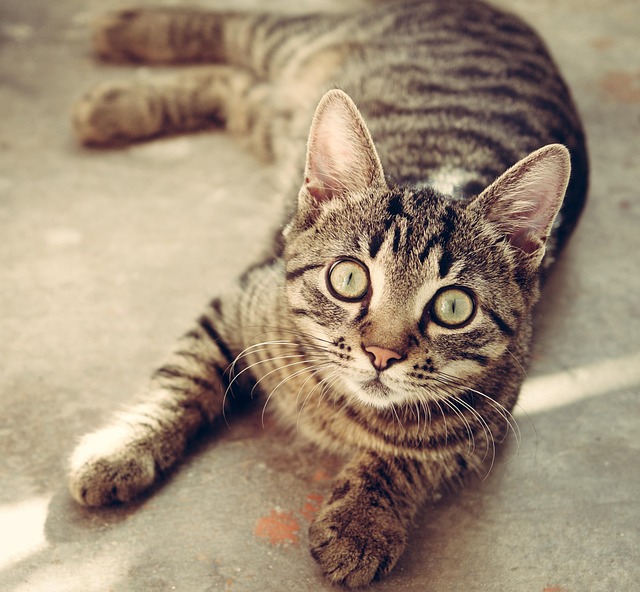
Silver tabbies stand out because their base coat looks almost metallic in certain lighting, especially near windows or under soft indoor lamps. The contrast between the pale silver background and the darker stripes, swirls, or spots can vary a lot, but the underlying effect is always the same: a cool-toned coat with high-contrast markings. I’ve seen clients mistake them for gray cats at first glance, only to realize the tabby pattern becomes more obvious when the cat moves.
In my experience, the pattern shows differently depending on grooming condition and coat length. A well-brushed short-haired silver tabby will show crisp markings along the spine and legs, while a slightly neglected coat can blur those details. One customer last spring had a silver tabby with faint classic tabby swirls that only became visible after I removed loose undercoat and debris from winter shedding. Small changes in coat condition make a big difference in how the pattern reads visually.
Some silver tabbies lean more toward spotted patterns, especially those with mixed lineage, while others show the traditional mackerel stripes running parallel along the body. I always tell new cat owners not to expect uniformity, because even within the same household, two silver tabbies can look noticeably different. The genetics behind coat patterns are consistent in principle, but expression can vary widely. That variation is part of what makes working with them interesting for me.
Grooming routines I use for silver tabbies
Most silver tabbies I work with are short-haired, so grooming is usually about maintenance rather than heavy coat correction. I focus on reducing loose undercoat, checking for skin sensitivity, and keeping the coat reflective so the silver tones stay visible. If I skip regular brushing for even a few weeks, the coat can lose its sharp contrast and start looking dull or slightly brownish due to oil buildup and dust.
When I set up appointments, I often coordinate with local clients through cat-grooming services, which help me manage scheduling across multiple neighborhoods in a single day. This makes it easier to group silver tabby cases together, especially during heavy shedding seasons when demand increases. I usually carry a lightweight slicker brush and a rubber grooming mitt because many of these cats respond better to gentle tools rather than aggressive de-shedding blades. Over time, I’ve noticed that consistency matters more than intensity.
One silver tabby I regularly groomed belonged to a family that initially struggled with matting around the hind legs because the cat habitually sat in tight corners. After a few months of monthly visits, the coat condition stabilized, and the owners learned how to maintain it between sessions. I keep my approach simple because over-grooming can stress the cat, especially if they are naturally sensitive to handling. Calm repetition works better than forcing a full reset each time.
Behavior traits I notice in silver tabbies
I don’t believe coat color determines personality, but I do notice patterns in how silver tabbies tend to behave during grooming. Many of them are observant and cautious at first, preferring to watch rather than immediately engage. Once they feel safe, they often become surprisingly interactive, following movement around the room and reacting quickly to subtle changes in tone or gesture.
Some of the most confident silver tabbies I’ve handled were also the ones that adapted fastest to mobile grooming setups. They tend to explore the edges of the grooming table and inspect tools before settling down. Not every cat reacts this way, of course, but I’ve seen enough repetition to recognize a general tendency toward curiosity mixed with hesitation. It makes each session slightly unpredictable, which keeps the work from feeling routine.
One thing I’ve learned is that stress signals in these cats are usually subtle rather than dramatic. A slight tail flick, shifting weight away from touch, or pausing mid-breath can indicate they need a break. I adjust pacing accordingly, especially when working in unfamiliar homes where environmental stress is already high. Over time, most silver tabbies become more tolerant once they associate grooming with predictable handling.
Living with silver tabbies day to day
From what I’ve seen in foster environments, silver tabbies adapt well to both quiet and moderately active households. They often choose specific resting spots and stick to them for long periods, especially near light sources where their coat looks brightest. I’ve had fosters that preferred windowsills so much that I eventually added small padded platforms just to keep them comfortable.
Diet and hydration also play a visible role in coat quality. When owners improve nutrition consistency, I usually notice a subtle increase in shine within a few weeks, even without major grooming changes. It’s not dramatic, but the difference is enough that I can usually tell when a cat’s routine has improved behind the scenes. Healthy coats tend to reflect light more evenly, which enhances the silver effect.
In multi-cat homes, silver tabbies sometimes assume observer roles rather than dominant ones. They watch interactions more than they initiate them, although this is not a strict rule. I’ve seen exceptions where a silver tabby becomes the most social and vocal cat in the house, especially if it bonded strongly with a specific person early on. Individual personality always overrides general patterns.
Working with them over the years has taught me that the silver tabby look is just one layer of what these cats are. Underneath the striking coat, there’s a wide range of temperaments and habits that only become clear through regular interaction. I still find myself adjusting my expectations every time a new one shows up on my grooming schedule.