What I Tell Clients About the So-Called Lion Cat Breed
I run a mobile cat grooming van and spend most of my days driving between homes, working with cats in their own space where they feel less stressed. Over the years, I have heard the phrase “lion cat breed” more times than I can count. Clients usually say it while pointing at a fluffy cat with a dramatic haircut or a breed with a heavy mane. That confusion is understandable because the term sounds like a real breed name, but in most cases, it is not.
Where the “Lion Cat” Idea Comes From
The first time someone asked if I groomed lion cats, I thought they meant a breed, but soon realized most meant a look—cats like Maine Coons, Persians, or long-haired mixes with thick fur around the neck that give a lion-like appearance.
I have worked on cats weighing anywhere from 4 kilos to over 9 kilos that people proudly called their “lion cat.” The reality is that size and fur density vary widely across breeds and even within individual cats. Some develop a full ruff around the neck, while others just have a slightly thicker collar of fur. The name sticks because it is easy to remember.
Social media images make dramatic coats seem like a special category. Clients often show me photos and ask if their cat can get that look. Sometimes yes, sometimes no.
The Lion Cut Versus a Lion Breed
Most of the time, what people are really talking about is the lion cut, which is a grooming style rather than a breed. I perform this cut several times a week, especially during warmer months when long-haired cats struggle with heat or matting. It involves shaving the body, leaving fur around the head, chest, and, sometimes, the tail tip. The result looks very close to a miniature lion.
One client wanted a transformation from an online tutorial, but I adjusted based on her cat’s coat and comfort. The final look had a lion effect, done in two shorter sessions.
Not every cat is a good candidate for this cut. Some cats become anxious around clippers, while others have more sensitive skin after shaving. I always assess the coat first, checking for hidden mats or irritation before starting. Safety comes first. The style comes second.
Breeds That Naturally Look Like Lions
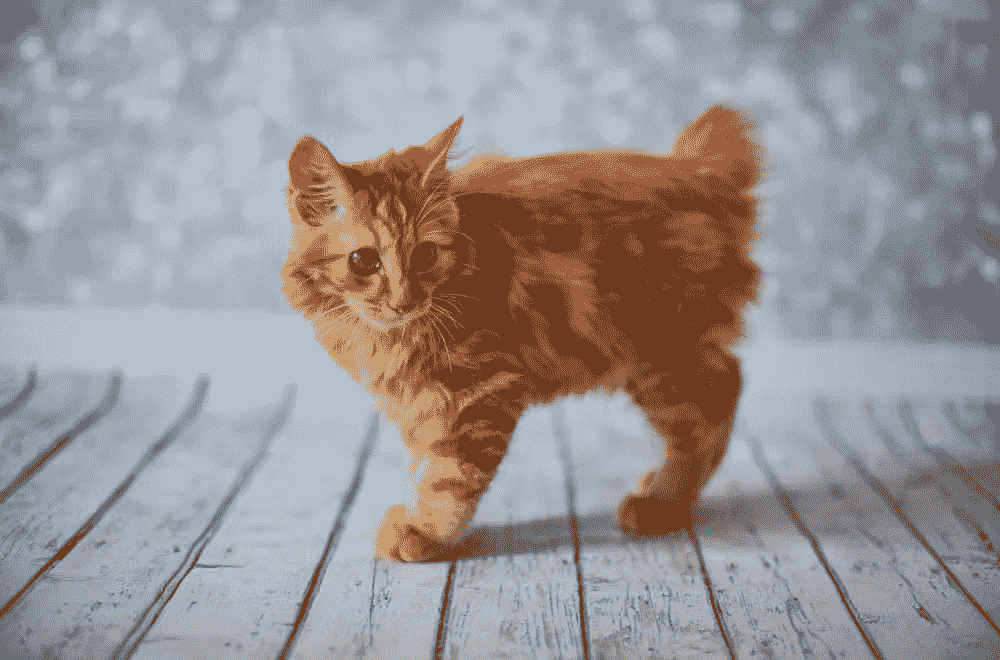
If someone insists on a “lion-like” cat without grooming, I usually point them toward a few specific breeds rather than styles. Maine Coons are the most common example I see in my van. They often have a thick mane that frames the face, especially in winter, and their large size adds to the effect.
Persians also look “lion-like,” with very dense fur that sometimes fills a small bag after grooming. It’s a lot of fur.
There are also less common breeds like the Norwegian Forest Cat, which can develop a very distinct ruff. These cats tend to have a layered coat that changes with the seasons, so the lion-like appearance can come and go. I have seen one look completely different within a three-month period.
What Living With a “Lion Cat” Is Really Like
Living with a long-haired cat brings extra responsibility. I tell new owners they must groom regularly—either on their own or with my help. Brushing at least three times a week helps prevent tangles in thick coats.
Mats are a real issue. I have removed tight mats that formed after just a few weeks of neglect. Once mats tighten, they’re uncomfortable, even if the cat hides it.
Shedding is also an issue. Some clients joke they vacuum twice a day and still find hair everywhere, which is often the reality.
Why the Name Sticks Around
The phrase “lion cat breed” continues to circulate because it is simple and descriptive. It captures attention quickly, especially for people new to cats or browsing online. I do not correct clients harshly when they use it. Instead, I explain what they are likely seeing and how it connects to real breeds or grooming styles.
Calling a cat a lion adds excitement and makes the animal seem special, even if it spends most of the day on the sofa. I see owners light up when their cat gets a lion cut. It creates a moment.
I always bring the conversation back to care. Genetics or grooming can create the look, but daily reality matters more than the name. Cats with thick coats need attention, patience, and planning.
When someone says they have a lion cat, I know what they mean—a house cat with a big personality and a lot of fur, which is often more interesting than the name.