Simple Ways to Help a Dog with Constipation
Constipation in dogs can be uncomfortable and sometimes worrying for pet owners. It often shows up as difficulty passing stool or going less often than usual. Many dogs experience this issue at least once in their lives. Knowing what to give and how to respond can make a big difference in your dog’s comfort.
Common Causes of Constipation in Dogs
A lack of fiber, dehydration, or sudden changes in routine can cause constipation, making stools hard or difficult to pass and affecting digestion.
Eating things like bones or small objects can block digestion. Older dogs may become constipated due to reduced activity or health problems like arthritis, which can make squatting harder.
Stress, new environments, or changes in routines and some medications can disrupt bowel movements. Recognizing these triggers helps prevent future issues.
Safe Home Remedies to Relieve Constipation
Many mild cases can be managed at home with simple changes. Owners often look for guidance online, and one helpful resource explains what can cause constipation in dogs along with practical treatment options. These ideas can support your dog’s recovery when symptoms are not severe.
Adding fiber to your dog’s diet is one of the easiest solutions. A small amount of plain pumpkin, around one to two tablespoons for medium dogs, can improve stool consistency. It works well because it contains both fiber and moisture. This combination supports healthy digestion.
Water intake is just as important. Dogs should always have access to fresh, clean water. Some owners add a little broth to encourage drinking. That small step can help soften stools and ease passage.
Regular exercise activates the digestive system—a daily 20-30 minute walk can noticeably encourage natural bowel movements.
Foods That Help Improve Digestion
Diet helps prevent and treat constipation. Certain foods keep stools soft. Introduce new foods slowly in small amounts to regular meals.
Here are some foods that may help:
- Plain canned pumpkin with no sugar or spices
- Cooked carrots or green beans in small portions
- Oat bran mixed into food once a day.
- A small spoon of plain yogurt for gut balance
Each dog reacts differently to changes in food. Some may respond quickly within 24 hours. Others may take two or three days to show improvement. Watch closely. Adjust portions as needed.
Avoid giving fatty or processed foods. These can make digestion worse. Keep meals simple and balanced for the best results.
When to See a Veterinarian
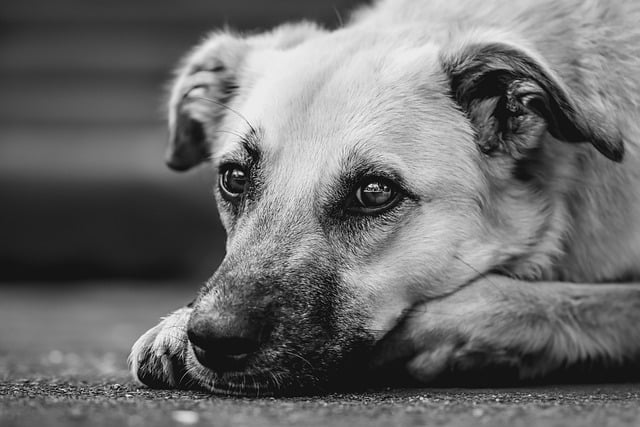
Sometimes constipation needs medical attention. If your dog has not passed stool for more than 48 hours, it may be time to visit a vet. Severe discomfort, vomiting, or loss of appetite are warning signs. These symptoms should not be ignored.
A veterinarian can check for blockages or underlying health issues. They may suggest safe medications or perform gentle treatments to relieve the problem. In some cases, an enema or fluid therapy is required. Professional care ensures your dog’s safety.
Chronic constipation is another concern. Dogs that face repeated issues may need a long-term plan. This can include diet adjustments and regular monitoring. Early action helps avoid serious complications.
Tips to Prevent Constipation in Dogs
Prevention is easier than treatment in many cases. A balanced routine keeps your dog’s digestive system working well. Small daily habits can reduce the risk of constipation. Consistency matters a lot.
Feed your dog at the same time every day. Provide fresh water at all times. Keep their diet rich in nutrients and fiber. These simple steps support regular bowel movements.
Exercise should be part of your dog’s daily life. Even a short walk helps. Active dogs are less likely to face digestive problems. Movement keeps everything flowing properly.
Check your dog’s stool regularly. Changes in color, shape, or frequency can signal early issues. Quick action can prevent bigger problems later. Stay alert.
Helping a constipated dog is usually straightforward. With proper care, a balanced diet, and regular exercise, most dogs recover quickly. Staying alert to changes can keep your pet healthy and comfortable.s.