Understanding Cat Shock Collars: What You Need to Know
Cat owners often look for tools to keep their pets safe and well-behaved, and shock collars are sometimes considered for this purpose. These devices are designed to deliver a mild electrical stimulus when the cat engages in unwanted behaviors, such as leaving the yard or scratching furniture.
While shock collars are popular in dog training, their use on cats is more controversial due to differences in temperament and sensitivity. Knowing how these devices work and the alternatives available can help owners make informed decisions. Cats respond differently from dogs, so training methods must be carefully chosen.
How Cat Shock Collars Work
Cat shock collars use sensors or remotes to deliver brief electric pulses. Intensity is adjustable, but even at low settings, cats may be startled. Some collars offer a sound or vibration warning before correction. These teach cats to avoid specific areas or behaviors. The technology is similar to invisible fences for pets.
If you are considering options for keeping your cat safe outside, resources such as a cat shock collar can provide detailed guidance. These sources explain how collars operate, how to introduce your cat to the device, and potential risks. They also offer advice on adjusting intensity levels gradually to minimize stress. Understanding these details can help ensure safety while training. Owners should read the manufacturer’s instructions thoroughly before use.
Potential Risks and Considerations
Shock collars can cause stress, fear, or anxiety in cats if used incorrectly. Cats are sensitive to pain and can react strongly to even mild electric pulses. Behavioral problems like aggression or hiding may develop if a cat associates punishment with its owner. A collar can also malfunction, delivering stronger shocks than intended. Awareness of these risks is crucial before choosing this training method.
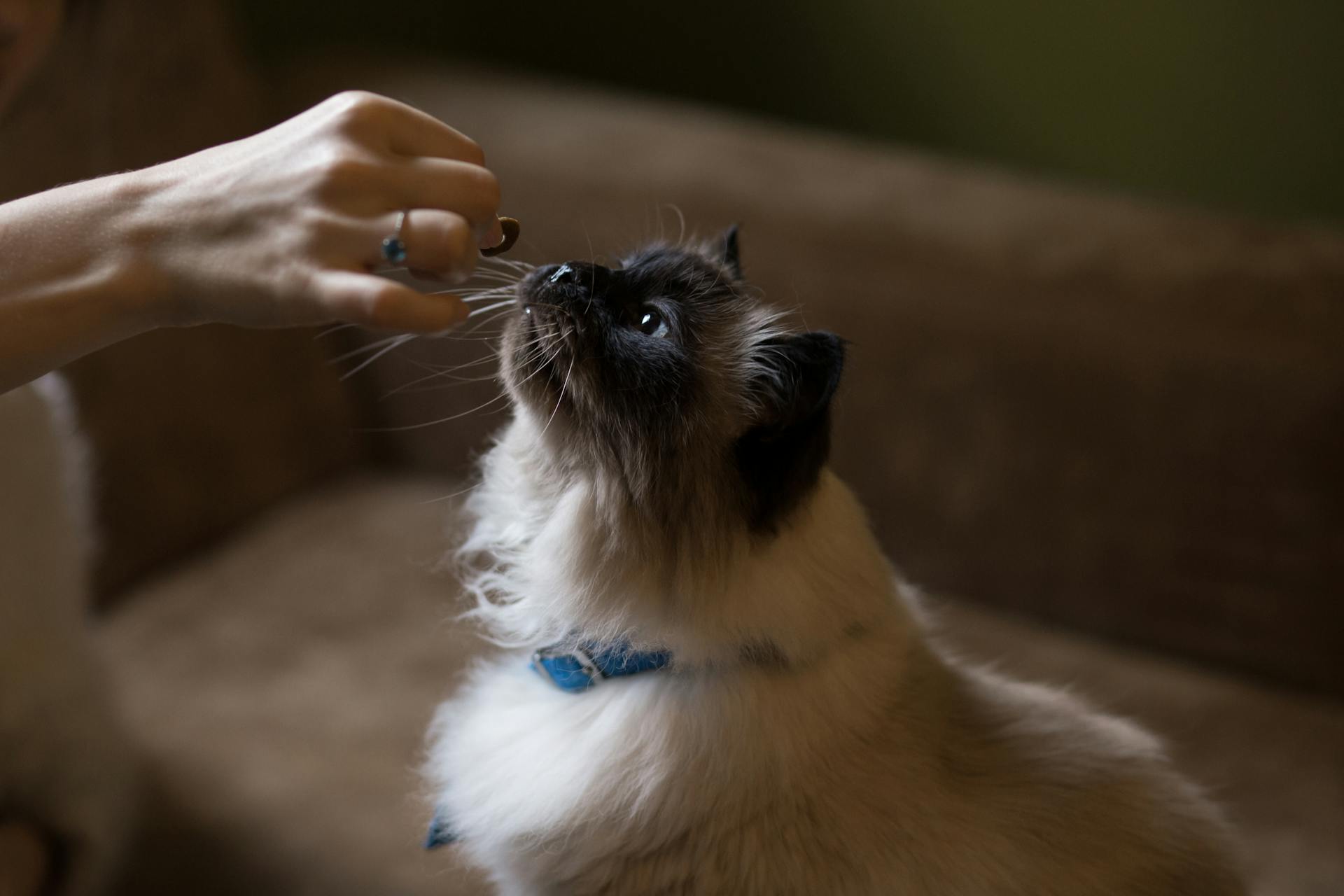
Alternative methods, like positive reinforcement and environmental management, often work better with cats. Rewarding good behavior with treats or playtime encourages repetition without causing fear. Barriers, such as double-sided tape or motion sensors, can safely deter unwanted behavior. Combining these strategies with gentle training often produces better results than relying solely on a shock collar. These approaches respect a cat’s sensitivity and intelligence.
Training Tips and Alternatives
Patience is key when training cats. Begin with simple commands and reward instantly. Avoid sudden punishment, which can confuse or frighten. Use toys, scratching posts, or puzzle feeders to redirect unwanted actions. Repetition and consistency over weeks lead to lasting results.
Other effective alternatives include:
- Using motion-activated deterrents like air sprays or alarms
- Installing barriers around furniture or gardens
- Providing ample enrichment to reduce boredom
- Consulting a professional cat behaviorist for persistent issues
Combining environmental adjustments and positive reinforcement helps cats learn appropriate behavior while keeping stress levels low. Each cat reacts differently, so owners must carefully observe their responses. Adjustments to training techniques may be necessary to achieve optimal results. Safety and well-being should always remain the priority.
Legal and Ethical Considerations
Some regions regulate the use of shock collars, and major organizations like the RSPCA advise against their use for cats. The main ethical concerns center on the stress and fear these devices cause. Owners should carefully weigh risks versus benefits and focus on humane, effective options.
Before purchasing a shock collar, research local laws and guidelines. Some countries have banned the use of electric collars entirely. Understanding regulations ensures compliance and avoids potential fines or legal issues. It also encourages the use of safer, more humane training methods. Knowledge of ethical practices strengthens the bond between cat and owner.
Shock collars are rarely the best solution for managing cat behavior. Effective and considerate alternatives—like enrichment, training, and gentle deterrents—support a cat’s well-being. Informed owners prioritize safe, humane, and nurturing strategies for their feline companions.