The Reality of Living with a Full-Grown Black Maine Coon
From a Breeder’s Perspective
I’ve been breeding and raising Maine Coon cats for over a decade, and I can tell you this: a full-grown black Maine Coon is not just a bigger version of a typical house cat. It’s an entirely different experience—physically, emotionally, and practically.
People are often drawn to the striking look of a solid black coat paired with that wild, almost lynx-like face. But what keeps them around is the personality—and what sometimes overwhelms them is the reality of caring for a cat this size.
What “Full-Grown” Actually Means
Most people underestimate just how large these cats get. A mature male can easily stretch past what you’d expect from a typical domestic cat, both in length and weight. I’ve had clients message me a year after adopting one of my kittens, convinced something was wrong—“He just keeps growing.”
That’s normal. Maine Coons mature slowly. Some don’t fully fill out until three or even four years of age. A black Maine Coon, in particular, tends to look even larger because the solid coat hides body definition and exaggerates its silhouette.
One male I raised grew so large that his owner had to upgrade to a bigger litter box twice before finding one big enough.
The Coat: Beautiful, but Demanding
A black coat on a Maine Coon is stunning, but it’s also unforgiving. Every bit of dust, loose hair, or dandruff shows up clearly.
Earlier, I told a first-time owner, “Just brush him a couple of times a week.” Months later, matting appeared, especially near the hind legs and collar.
Since then, I’ve been much more direct: if you’re bringing home a full-grown Maine Coon—especially a black one—you need a grooming routine, not just occasional brushing.
In my experience, the problem areas are predictable:
- Behind the ears
- Under the front legs
- Around the tail base
Miss those for a week or two, and you’ll feel the difference immediately.
Personality: Not Your Typical Cat
This is where people either fall in love or get caught off guard.
Maine Coons are often described as “dog-like,” and while I don’t love that comparison, I understand why it’s used. They follow you. They watch what you’re doing. Some even learn routines faster than smaller breeds.
One client, a remote worker, noticed her black Maine Coon sat beside her each morning during video calls, quickly learning her routine.
But here’s the part people don’t always expect: they demand interaction. Not constant attention, but consistent engagement.
I’ve seen owners who thought they were getting a laid-back, decorative pet. What they got instead was a highly intelligent animal that needed stimulation. Without it, behaviors like excessive vocalizing or knocking things over start appearing.
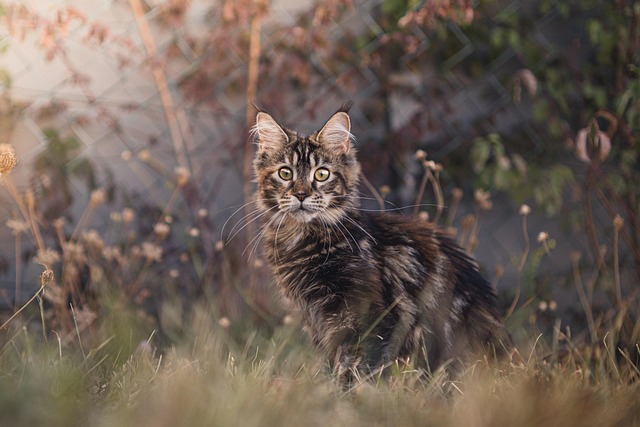
Feeding a Large Cat Isn’t Just “More Food”
A mistake I see often is overfeeding.
Because Maine Coons are big, owners assume they should eat significantly more. In reality, their dietary needs are about quality and balance, not just quantity.
I helped a family with an overweight cat by guiding them toward smaller portions and a structured feeding schedule. The cat’s energy quickly improved.
A full-grown Maine Coon should feel solid, not soft. You should be able to feel the muscle under the coat, even if you can’t see it clearly.
Space and Environment Matter More Than People Think
You don’t need a mansion, but you do need to think vertically.
These cats like height. A standard cat tree often isn’t enough. I’ve had to recommend reinforced or custom-built structures to several owners because their Maine Coons literally outgrew store-bought options.
A black male I raised climbed door frames until his owner provided a sturdy, taller perch, which quickly resolved the behavior.
Health and Longevity Observations
In my experience, black Maine Coons are just as robust as any other color variation, but their size can mask early signs of health issues.
Weight gain, for example, is harder to spot visually. You have to rely on touch and behavior changes.
I also encourage owners to pay attention to mobility. Because these cats are heavy, even minor joint discomfort can show up as subtle reluctance to jump rather than obvious limping.
The Reality Check Most People Need
A full-grown black Maine Coon is not a low-maintenance pet.
They require:
- Regular grooming
- Structured feeding habits
- Environmental enrichment
- Time and attention
But in return, you get something that feels less like a typical pet and more like a companion with a strong presence in your daily life.
If you’re considering bringing a full-grown black Maine Coon into your home, take time to prepare for the commitment. Reach out to experienced breeders or current owners to gain insight, ask questions, and fully understand what living with one is really like. Make sure you’re ready for the responsibility and rewards this remarkable cat brings to your life.