Guide to Caring for Abyssinian Cat Color Variations
As a licensed veterinarian practicing in Texas for over a decade, I’ve had the pleasure of caring for countless Abyssinian cats, and one aspect of their coat colors that consistently fascinates me is the range of colors they exhibit.
Unlike some breeds where colors are straightforward, Abyssinians are celebrated for their vibrant, ticked coats, which can vary subtly but dramatically between individuals. Observing these variations up close deepens appreciation for the breed’s unique genetics and personality expression.
The Basics of Abyssinian Coat Patterns
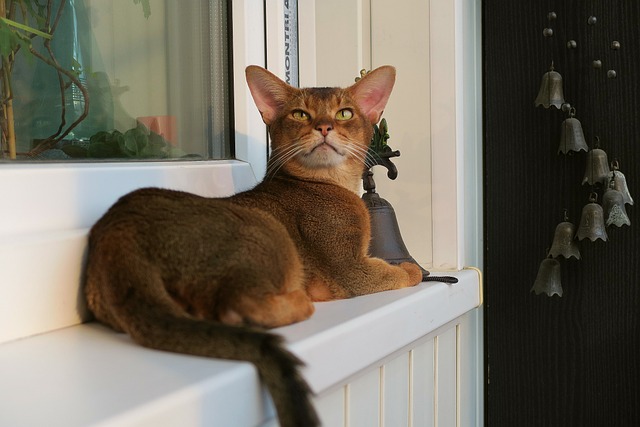
Abyssinians are known for their “ticked” tabby coat. Each hair strand has bands of color, giving the coat a shimmering, almost iridescent look. When I first examined a litter of Abyssinians several years ago, I noticed that the ticking was not just a pattern—it seemed to give the fur itself a sense of movement. Some cats appeared darker from a distance but revealed intricate golden or reddish bands under closer inspection.
The most commonly recognized Abyssinian colors are ruddy, sorrel, blue, and fawn. Ruddy, sometimes called “usual,” is a warm, coppery brown with black ticking. Sorrel, with its softer, reddish hue, has chocolatey undertones that warm the overall appearance. Blue Abyssinians are more muted, with silvery slate tones, while fawn cats display a delicate, creamy beige with subtle ticking. In my experience, customers often overlook fawn as an option, yet it can produce an almost ethereal, soft appearance that stands out in a litter.
Personal Observations and Color Variations
I recall a customer last spring who brought in a young Abyssinian showing an unusual combination of ruddy and fawn tones. The subtle gradient between the two colors made the kitten almost appear to change color in different lighting—a trait I’ve seen occasionally but never in such a striking way. Situations like this highlight how the same genetic background can express itself so differently across lineages and under different environmental conditions.
Owners often confuse shades, expecting each Abyssinian to fit a category. I once reassured a breeder who was worried that her sorrel kitten wasn’t “true” to standard. Minor variations in banding or hue are normal and don’t affect quality. This advice usually eases anxiety and fosters appreciation for subtle beauty.
Genetics Behind the Colors
Abyssinian coat colors are determined by multiple genes influencing pigment production and distribution. The ticked pattern itself is controlled by the agouti gene, which regulates the alternating dark and light bands along each hair. While I don’t recommend breeders experiment carelessly, understanding these genetic influences helps owners anticipate potential color outcomes in kittens.
For example, blue and fawn are often the result of dilution genes, which soften the overall coat appearance. In one memorable case, a customer was surprised when a kitten that appeared ruddy at birth gradually shifted to a more muted blue by six months—a transformation that genetic dilution can explain.
Common Mistakes and Misconceptions
A frequent misconception is that an Abyssinian’s color predicts temperament. Though ruddy cats may look fiery, and blue cats reserved, personality depends far more on upbringing. I’ve seen playful fawn cats and calm ruddies, proving color doesn’t determine behavior.
Another mistake I often see is neglecting proper grooming for certain shades. Darker coats may reveal fewer skin blemishes, while lighter fawns or blues can show dust and debris more readily. I advise owners to maintain consistent brushing routines, which not only keep the coat clean but also encourage bonding and help spot any health concerns early.
Practical Advice for Choosing by Color
When clients ask me about selecting an Abyssinian kitten based on color, I focus on overall health, temperament, and social behavior rather than just the coat. That said, if color is a priority, observing the kitten under natural light is essential, as artificial lighting can distort hues. I’ve also found that colors can deepen or lighten as kittens mature, so patience is key.
In summary, while Abyssinian coats showcase an impressive range of hues, the essence of owning one lies beyond color. My years in practice have shown that understanding and appreciating subtle color differences only enhances the experience if health and personality come first. Let a cat’s beauty spark interest, but let well-being and temperament guide your choice—that’s the heart of rewarding Abyssinian ownership.