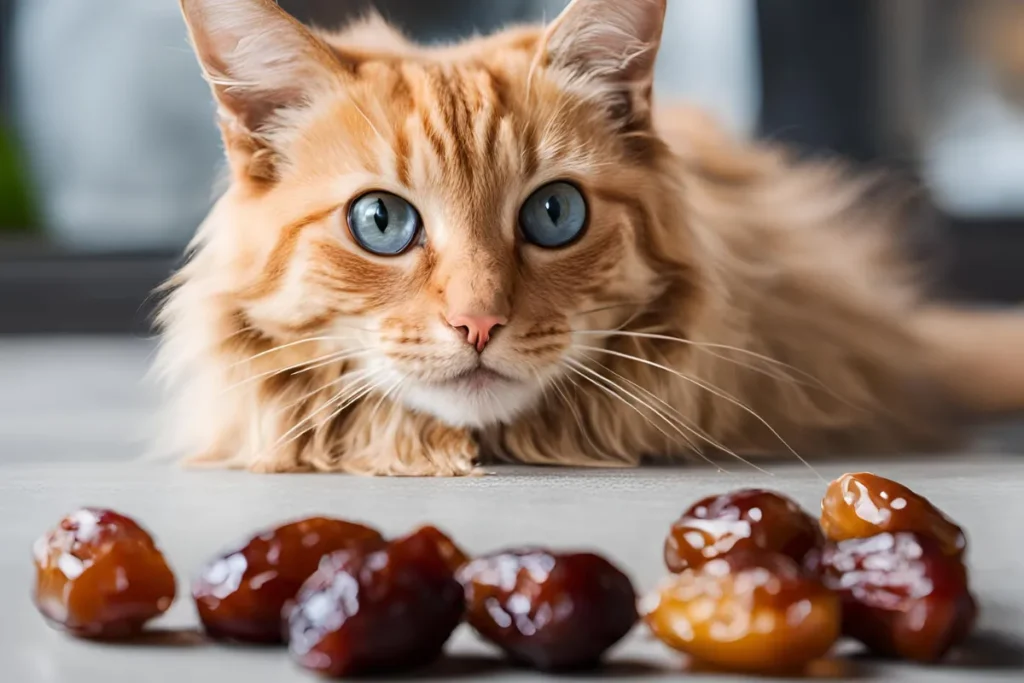
How to Safely Feed Your Cat Dates
I’ve been a practicing veterinarian for more than a decade, and if there’s one thing I’ve learned, it’s that cats have an uncanny ability to show interest in foods that were never meant for them. Most owners assume cats only crave meat, yet every few months, someone sits in my exam room asking about a strange snack their cat stole from the kitchen counter. One of the more surprising questions I hear—especially from clients with Middle Eastern or Mediterranean backgrounds—is whether cats can eat dates.
The short answer is yes, cats can technically eat dates in small amounts. They aren’t toxic. But that doesn’t mean they’re a good treat for your cat, and I usually recommend avoiding them.
Why Cats Are Curious About Human Foods
Cats are obligate carnivores. That means their bodies are designed to thrive on animal protein, not fruits or carbohydrates. Yet curiosity often overrides biology.
A few months ago, a client brought in her young tabby after finding him chewing on a date that had fallen from a kitchen bowl. She was worried because dates are sticky and extremely sweet. The cat seemed fine, but had mild diarrhea the following day. Situations like this are fairly common. Cats explore with their mouths, and anything soft, sticky, or interestingly shaped becomes a potential toy—or snack.
From a medical standpoint, dates aren’t poisonous to cats. They don’t contain compounds known to cause toxicity, unlike some foods. But they’re also far from ideal.
The Real Issue With Dates
Dates are packed with natural sugars and fiber. For humans, that can be beneficial in moderation. For cats, it’s unnecessary.
In my clinic, I’ve treated several cats with digestive upset after eating sweet foods. Their stomachs simply aren’t built to handle large amounts of sugar. A small nibble of a date might not cause noticeable symptoms, but larger amounts can lead to problems such as vomiting, diarrhea, or stomach discomfort.
The texture is another concern. Dates are sticky and dense, which can make them a choking risk. Cats tend to swallow food in chunks rather than chewing thoroughly. If a cat grabs a piece that’s too large, it can easily get lodged in the throat.
I’ve seen this happen once in a rather dramatic way. A curious indoor cat grabbed half a date off a plate during a family gathering. The owner rushed him into my clinic after noticing gagging and pawing at the mouth. Fortunately, the obstruction cleared quickly, but it served as a reminder that even seemingly harmless foods can create unexpected problems.
The Pit Problem
One detail owners sometimes overlook is the pit inside dates. The pit is hard and elongated, and if a cat swallows it, it could cause choking or an intestinal blockage.
In veterinary medicine, foreign body obstructions are more common than most people realize. While dates themselves aren’t a typical culprit, any hard object swallowed by a cat can lead to surgery if it becomes lodged in the digestive tract.
Whenever clients ask about sharing fruit with their pets, my first advice is always the same: never leave pits, seeds, or cores within reach.
Do Cats Get Any Benefit From Dates?
Not really.
Cats don’t efficiently process carbohydrates, and they don’t need dietary sugar. Their metabolism revolves around protein and fat. Even the fiber in dates doesn’t offer much benefit, since cats get adequate digestive support from a balanced commercial cat food.
I occasionally hear owners say their cat seems to enjoy sweet foods. Interestingly, cats actually lack the taste receptors that detect sweetness. So if a cat is licking a date or dessert, it’s usually responding to texture or curiosity rather than flavor.
A Small Taste Isn’t an Emergency
If your cat manages to eat a tiny piece of a date, there’s usually no reason to panic. Most cats tolerate small amounts without serious issues.
In my experience, the symptoms—if they appear at all—are mild and temporary. Owners might notice softer stools or slight stomach upset. These signs generally pass within a day.
However, I advise contacting a veterinarian if you notice:
- Persistent vomiting
- Diarrhea lasting more than a day.
- Lethargy or loss of appetite
- Signs of choking or gagging
Those symptoms are uncommon but worth monitoring.
Safer Treats for Cats
I often encourage owners to think about treats from a cat’s biological perspective. High-protein snacks make far more sense than sugary fruit.
Some of the treats I’ve recommended in my practice include small pieces of cooked chicken, plain turkey, or commercially prepared cat treats designed for feline digestion. These options satisfy a cat’s natural instincts and are far less likely to upset the stomach.
One client I worked with last winter had a cat that constantly begged for food from the dinner table. After switching to tiny portions of cooked chicken as rewards, the begging decreased, and the cat maintained a healthy weight. That’s the kind of outcome I like to see.
My Professional Take
After years of answering this question in exam rooms and over the phone, my advice is simple: dates aren’t dangerous, but they’re unnecessary for cats.
A small accidental bite is unlikely to cause harm, yet intentionally offering dates doesn’t provide any real benefit. Between the sugar content, the sticky texture, and the choking risk from pits, there are many better treats you can give your cat.
Most cats are healthiest when their diet stays simple—high-quality cat food, fresh water, and the occasional protein-based snack. Everything else tends to complicate matters more than it helps.