How Much a Saint Bernard Dog Costs in Real Life
I run a mobile dog grooming van, and I meet Saint Bernards more often than most people expect. When owners ask me how much a Saint Bernard costs, they usually mean the purchase price, but I always end up talking about the full financial picture. These dogs are gentle giants, and their size alone changes everything from food bills to grooming time. I’ve seen families surprised at how wide the price range can be depending on where the puppy comes from.
Initial Purchase Price and What Drives It
A Saint Bernard puppy can vary widely in price, and I’ve seen numbers range from a few hundred dollars from informal breeders to several thousand dollars from reputable kennels. In my work, I’ve met owners who paid less upfront but later spent more on health issues that showed up early. On the other hand, families who invested more at the start often told me their dogs came with health checks and calmer temperaments.
The biggest factor behind the price is breeding quality, especially health screening and lineage. I remember a customer last spring who drove nearly five hours to pick up a pup from a breeder known for hip and elbow testing, and they didn’t regret it even though the upfront cost was high. People sometimes think the price is just about the dog itself, but in reality, it reflects years of selective breeding and care. If you want to compare typical breeder setups and what they offer, I’ve seen many owners reference the cost of a Saint Bernard while trying to understand the differences between local and certified breeders before making a decision.
Location also plays a role, and it’s not just about country or city pricing. In some rural areas I’ve worked in, Saint Bernards tend to be cheaper because demand is lower, while urban breeders often charge more due to operating costs. I once groomed a Saint Bernard whose owner said they found the same breed priced almost double in a nearby city, just two hours away. That kind of variation is more common than people think, especially with large-breed dogs.
Living With a Saint Bernard: Costs Beyond the Puppy Price
Once the dog comes home, the real expenses start showing up quickly, and this is where many new owners get surprised. I’ve seen Saint Bernard owners spend several thousand dollars in the first year alone on food, bedding, and basic supplies. These dogs grow fast, and they eat even faster, which makes food one of the biggest ongoing costs in my experience working with large breeds.
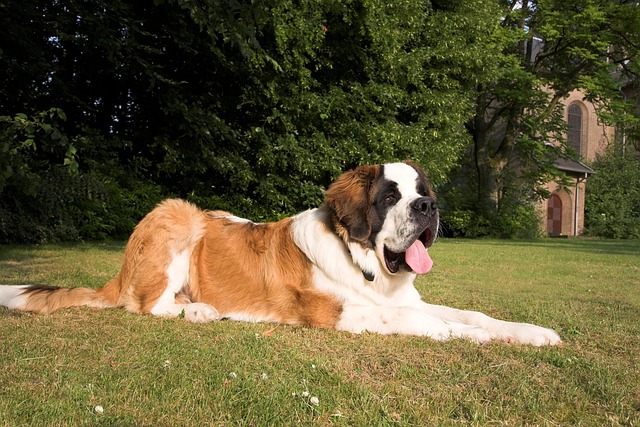
Grooming is another area where expenses add up, especially for long-haired Saint Bernards that shed heavily. From my mobile van, I usually spend over an hour just on brushing and deshedding during one session, which translates into higher grooming costs for owners. A few clients try to handle grooming at home, but still bring the dog in every few months because the coat gets overwhelming. It is not difficult to manage, but it requires consistency.
Veterinary care is another factor that can significantly increase the total cost. Large breeds like Saint Bernards are more prone to joint issues, and I’ve seen owners dealing with early signs of hip discomfort before their dogs even turn 2 years old. One owner I worked with mentioned their vet bills jumped unexpectedly after a minor limp turned into a longer treatment plan. These situations are not guaranteed, but they are common enough to consider.
Why Some Saint Bernards Cost More Than Others
The price difference often comes down to health guarantees, temperament training, and breeder reputation. I’ve visited breeders who socialize puppies from a very early age, and those dogs tend to settle into family homes more easily. Others focus only on appearance, which can sometimes lead to behavioral differences later on. This is where paying more up front can sometimes reduce stress later.
Training history also matters more than many first-time buyers expect. A Saint Bernard that has already been exposed to basic commands and handling usually fits into a home more smoothly, especially considering their size and strength. I once groomed a young Saint Bernard that was nearly impossible to manage because it had never been properly handled as a puppy. That experience stuck with me because it showed how early care influences long-term behavior.
Bloodline reputation plays a quiet but strong role in pricing, too. Some breeders are known for producing dogs with calmer temperaments, while others are focused on show-quality structure. I’ve seen families specifically ask for lines known to be more relaxed because Saint Bernards can easily become too much for smaller households. The price difference between these lines can be noticeable even within the same region.
Ongoing Reality of Owning a Giant Breed Dog
Owning a Saint Bernard is not just about buying the dog; it is about preparing for long-term responsibility. In my grooming van, I often remind new owners that space, time, and budget must match the dog’s size. These dogs are affectionate and calm, but they take up physical and financial space in a home in a very real way.
Exercise needs are moderate, but not optional. I’ve seen Saint Bernards become sluggish when under-exercised, which can affect their overall health. A few owners told me they underestimated how much daily walking matters, especially during cooler months when the dogs are more active. Consistency tends to matter more than intensity with this breed.
Even simple things like transportation can become a challenge. A standard car often feels cramped, and I’ve had clients mention needing larger vehicles just to move their dog comfortably. One family I worked with said their Saint Bernard effectively changed how they planned weekend travel because of space limitations. It’s a quiet cost, but it shapes daily life more than people expect.
When I think about Saint Bernard ownership, I usually describe it as a long-term commitment that starts the moment you decide to bring one home. The price tag is only the first layer, and everything that follows depends on how well prepared the owner is for a large, affectionate, and physically demanding companion.