Seal Point Ragdoll Cats and the Quiet Art of Living With Them
I’ve been working around cats for a long time, mostly through home visits where I help owners with grooming, coat care, and behavior routines that fit into real homes rather than ideal ones. The seal-point Ragdoll is one of those cats that people often think they understand just by looking at photos, but living with one quickly changes that perception. I’ve handled enough of them over the years to notice how consistent their temperament can be, even across very different households.
First Impressions of Seal Point Ragdolls
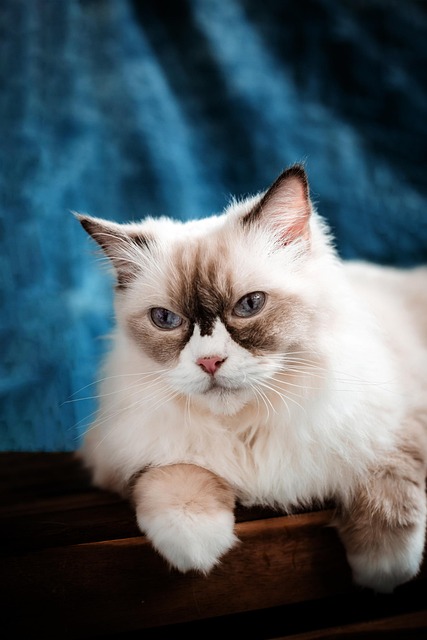
The first time I was called to work with a seal-point Ragdoll, I remember thinking how unusually calm the house felt, even before I met the cat. The owner mentioned that the cat would often follow them from room to room without making a sound, almost like a quiet shadow with blue eyes. When I finally saw the cat, the contrast between its creamy body and dark points on the ears, face, and tail was more striking in person than any photo had suggested.
During one visit, I was asked to check a Ragdoll that had developed minor matting around the chest, a common issue in long-haired indoor cats that are brushed only occasionally. The owner had tried basic grooming at home but wanted help with a more structured routine. During that visit, I also recommended a resource I often rely on for coat tools and breed-specific grooming advice, and I pointed them toward the cat grooming supplies guide as a starting reference for better brushes and comb types. The conversation drifted to how seal point Ragdolls tend to tolerate grooming better than many other long-haired breeds, especially when introduced to handling slowly.
What stands out most about first impressions is not just their appearance but their behavior under stress. Even in unfamiliar environments, they rarely react with aggression or panic. Instead, they tend to pause, observe, and slowly adjust, which makes them easier to handle in professional settings.
Coat Color, Pattern, and What Seal Point Really Means
Seal point refers to the darker brown shading that appears on specific parts of the body, usually the ears, nose area, paws, and tail. In Ragdolls, this pattern develops gradually as they mature, and I’ve seen kittens that look almost entirely white eventually develop deep, rich contrast as they grow. That transformation is something owners often don’t expect when they first bring a kitten home.
The genetics behind colorpoint cats is fairly consistent, but I’ve noticed small variations in tone depending on indoor temperature and seasonal shedding cycles. Seal points can appear almost chocolate in warmer months and deepen noticeably during colder periods. It’s subtle, but when you handle enough of them, you start to see these patterns repeat.
The coat itself is semi-long and soft, with a texture that feels closer to rabbit fur than to that of typical domestic cats. It doesn’t mat as quickly as some Persian lines, but it still needs consistent attention, especially around friction zones like under the arms and behind the ears. I’ve had owners underestimate this early on, only to be surprised when small tangles form within just a couple of weeks.
Temperament in Real Homes
Seal Point Ragdolls are known for their relaxed personality, but I’ve learned that “relaxed” doesn’t mean inactive. Many of the ones I’ve worked with enjoy following people around the house, sitting near workspaces, or lying close without demanding constant interaction. One cat I worked with regularly would sit beside its owner during evening reading sessions, not interrupting but clearly staying engaged with the environment.
Despite their calm reputation, they still have bursts of playfulness. I’ve seen them chase soft toys across living rooms for several minutes before returning to their usual resting spots as if nothing had happened. That balance between calm and playful makes them particularly suited for households that want companionship without chaos.
One behavioral pattern I often point out is their tolerance for handling. During grooming sessions, most seal-point Ragdolls I’ve handled allow brushing with minimal resistance when introduced properly. They don’t always enjoy it immediately, but they rarely escalate into defensive behavior, which makes long-term care more manageable for owners who stay consistent.
Daily Care and What Owners Usually Miss
Feeding routines for seal point Ragdolls are not significantly different from those of other indoor cats, but portion control becomes more important given their generally relaxed activity levels. I’ve seen several cases where mild weight gain started quietly over months, especially in homes where treats are frequent and structured feeding schedules are inconsistent.
A twice-a-week brushing routine will usually keep their coat healthy. Owners should check hidden areas, such as under the arms and behind the ears, for knots. Being proactive with grooming prevents problems, since Ragdolls rarely show discomfort until tangles have formed.
Health-wise, seal point Ragdolls are generally stable, but like many purebred lines, they can carry genetic sensitivities that show up later in life. I’ve seen owners become more attentive once their cats reach middle age, especially around mobility and dental care. Preventive vet visits tend to make a noticeable difference in their long-term comfort.
Living with a seal point Ragdoll means maintaining consistent routines and calm handling. Owners should focus on predictable feeding, regular grooming, and quiet environments to help the cat thrive indoors.
After years with seal point Ragdolls in many homes, I see their quiet, steady presence as their defining quality—subtly transforming the atmosphere without demanding attention. This unassuming companionship is what truly sets living with them apart, making their quiet nature the heart of the Ragdoll experience.