How to Treat Your Sneezing Dog with Home Remedies
From a Small-Animal Veterinarian’s Perspective
I’m a small-animal veterinarian who has spent years in a busy general practice, and I see sneezing dogs every single week. Sometimes it’s harmless, sometimes it’s allergies, and occasionally it’s something that really shouldn’t wait. Owners usually arrive worried, and many of them have already tried a handful of things at home — some helpful, some not so much.
Sneezing in dogs isn’t always an emergency. I’ve seen plenty of healthy, happy dogs sneeze because of dust, perfume, pollen, air fresheners, or even excitement. But I’ve also treated dogs whose “just sneezing” turned out to be a nasal foreign body, infection, or severe dental disease. The goal at home is to reduce obvious irritants and help the dog feel more comfortable, while knowing when it’s time to stop home care and call a clinic.
Below are remedies I genuinely recommend in my daily work, along with examples of situations where I’ve seen them help—and a few common mistakes I wish owners would avoid.
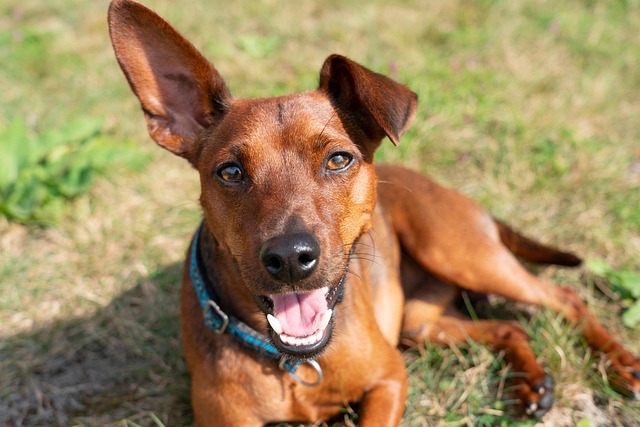
Start with the most straightforward remedy: remove the irritant.
The most effective “treatment” I’ve seen for sneezing is sometimes nothing more than changing what’s in the air.
A family brought me a young spaniel last spring who had suddenly started sneezing repeatedly in the evenings. No fever, no discharge, lungs sounded great. After some talking, they casually mentioned a new plug-in air freshener they’d put right next to the dog’s bed. They unplugged it that night, and the sneezing stopped.
I’ve seen similar reactions with:
- aerosol cleaners
- heavily scented candles
- incense
- essential oil diffusers
- cigarette smoke
- Dusty carpets after vacuuming
My advice is straightforward: if a dog suddenly starts sneezing, think about anything new in the house and remove it for a while. Fresh air from an open window or a short break from the room often helps more than people expect.
Rinse away pollen and dust from the face and coat.
Dogs stick their noses into everything. Grass, soil, stored shoes, dusty corners — all of it ends up in the nostrils.
I’ve lost count of the number of dogs who stop sneezing after a gentle wipe-down after outdoor play. A damp, soft cloth over the muzzle, around the nostrils (not inside), and around the eyes can remove pollen grains that keep irritating them.
With very allergic dogs, I often recommend wiping paws and legs after walks as well. I’ve had owners tell me their dogs sneeze mainly at bedtime, right after jumping onto the bed with pollen on their fur. A quick wipe before settling in made a real difference for them.
Humid air can soothe dry or irritated nasal passages.
Dry indoor air, especially during the heating season, can worsen sneezing.
More than once, I’ve suggested something as simple as sitting with the dog in a steamy bathroom for 10–15 minutes. You just run a hot shower to fill the room with steam, letting the dog breathe that warm moisture. That isn’t a cure for infection, but it can ease irritation and soften thick nasal discharge.
I prefer this over essential oil vaporizers or menthol products marketed for humans. I’ve treated dogs who became nauseous or developed eye irritation from strong oils. Plain steam works without adding those risks.
Keep the environment clean, but avoid harsh cleaners.
People sometimes overcorrect and start heavily bleaching or spraying the house, thinking they’re helping. I’ve seen dogs sneeze more after deep cleaning than before it.
Light, regular cleaning and washing bedding with unscented detergent is usually more helpful than heavy disinfectants. If you vacuum, give the dust time to settle before letting a sensitive dog back into the room.
Saline can be helpful — medications often are not.
Owners often ask me about “drops” to put in the dog’s nose. I do not recommend human decongestant sprays or cold medicines for home use. I’ve treated dogs who became very ill after well-intentioned owners used human products that contained dangerous ingredients.
I suggest simple sterile saline (no medications added). A small drop at the nostril edge or moistening a cotton pad with saline to wipe crusting can be soothing. You don’t need to flush your nose forcefully; in fact, I strongly advise against it outside a clinic. Gentleness is the rule.
Supportive basics: rest, hydration, and low-stress time
Just as with people, a mildly sneezing dog often benefits from rest and good hydration. Dogs with runny noses lose a bit of fluid, and constant sneezing can tire them out.
At home, I tell owners:
- make water easy to access in more than one room
- Avoid heavy exercise for a day or two if sneezing is frequent
- let them sleep a bit extra
I’ve seen older dogs especially bounce back faster when they’re allowed to slow down for a day.
A few home remedies I personally recommend against
Because I’ve seen the aftermath firsthand, I’m candid about what I don’t like owners trying at home.
I recommend avoiding:
- essential oils applied to the nose or collar
- human antihistamines without veterinary guidance
- pouring liquids directly into the nostrils
- internet “herbal cures” of unknown dose or source
One case that sticks with me is a small dog whose owner applied concentrated peppermint oil to “clear his sinuses.” The dog arrived with red, streaming eyes and vomiting. The sneezing problem became secondary to treating the irritation and nausea.
Simple, boring remedies are usually safest.
When home remedies are not enough
There are situations where I tell people to stop home care and schedule an exam.
I worry more if:
- discharge is thick, yellow, green, or bloody
- Sneezing is from only one side consistently
- There is facial swelling or obvious pain
- The dog is very lethargic or stops eating
- There was a recent episode of running through tall weeds or foxtails
I’ve pulled grass awns, plant seeds, and even a fragment of a toy from dogs’ nasal passages. Those dogs didn’t get better at home — they needed sedation and careful removal.
I also see “reverse sneezing” mistaken for regular sneezing. That’s the loud, snorting inhale that looks dramatic but is often a harmless irritation of the soft palate. If an owner shows me a video on their phone, I can usually reassure them or tell them if further work-up is needed.
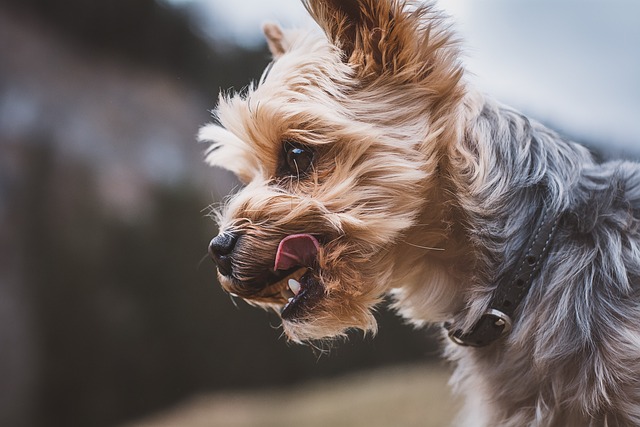
My overall take after years in practice
Most of the dogs I see sneezing are dealing with mild irritation, seasonal allergies, or dust exposure. Simple steps — cleaner air, wiping down fur, brief steam, plenty of water — go a long way. I’ve watched these small changes resolve countless cases.
At the same time, I’ve seen how easily well-meant home treatment can tip into something unsafe, especially with human cold medicines or concentrated oils. I’m always in favor of gentle, low-risk measures first, with a low threshold to call a clinic if anything seems off.
If your dog is otherwise bright, eating well, and just sneezing now and then, home care is reasonable. If you’re seeing blood, ongoing discharge, or real discomfort, that’s usually my line in the sand.
That balance — helping at home without missing something serious — is what I try to guide owners through every day in the exam room.